
Fiber connection and distribution references
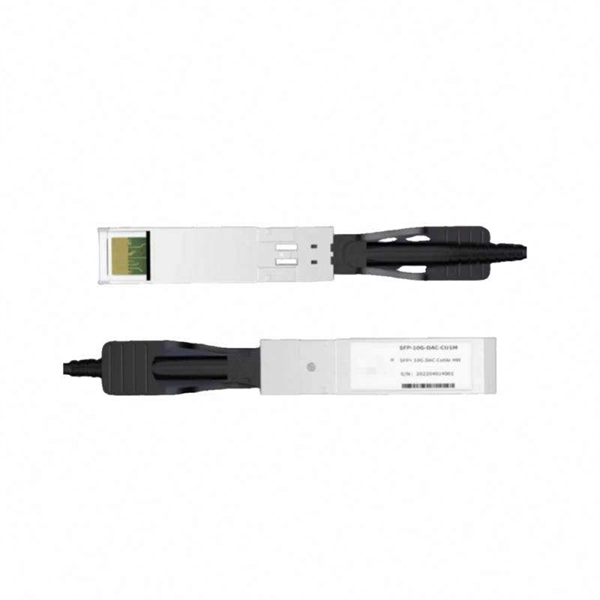
Fiber Optic Transmission Distance: Single Mode vs. Multimode Guide
While multimode fiber distance is well-suited for short-range, high-speed connections, single mode fiber distance excels in long-distance and high-bandwidth applications.
Single Mode vs Multimode Fiber: Which Should You Choose for Long
Single-mode fiber carries a single light path, resulting in low loss, long transmission distance, and higher bandwidth. Multimode fiber carries multiple light paths, leading to higher
Fiber Type vs. Speed and Distance | Multimode vs. Singlemode Fiber
Multimode fiber solutions, featuring larger cores for transmitting multiple modes, can handle more data than single-mode options. However, they operate at slower speeds and carry a higher risk of
Fiber Optic Cable Distance: A Comprehensive Guide
Single-mode fiber optic cables are more suitable for long-distance, high-speed transmission than multimode fiber optics. For most applications, the maximum distance of a single
Single Mode vs Multimode Fiber: A Complete Comparison Guide
Understand the difference between fibers: single mode offers long-distance, high bandwidth, while multimode suits short runs and lower costs.
Single Mode vs Multimode Fiber: Pros, Cons, & Applications
Single mode fiber supports much longer distances than multimode fiber can without compromising signal quality. The narrow core and laser light combination deliver extremely high bandwidth with minimal
Single Mode vs Multimode Fiber: The Complete Guide to
Beyond this distance, single mode''s lower cable cost and the availability of longer-reach optics make it the more economical choice — and beyond 500 metres, multimode simply isn''t an
Single Mode vs. Multimode Fiber Optic Cables
Single mode optical fiber is optimized for long-distance, high-bandwidth transmission, often operating at a single wavelength (typically 1310 nm or 1550 nm), which reduces dispersion and
Single Mode vs Multimode Fiber – Distance, Performance & Cost
Learn the key differences between single mode vs multimode fiber optic cables, including core size, distance, bandwidth, and cost. Find out which fiber type suits your network needs best.
Fibre Channel
SFP modules support a variety of distances via multi-mode and single-mode optical fiber as shown in the table below. SFP modules use duplex fiber cabling with LC connectors. SFP-DD modules are
Understanding Wavelengths In Fiber Optics
For fiber optics with glass fibers, we use light in the infrared region which has wavelengths longer than visible light, typically around 850, 1300 and 1550 nm.
Fiber-optic cable
Different types of cable are used for fiber-optic communication in different applications, for example long-distance telecommunication or providing a high
Fiber Optic Cable Range: Comprehensive Guide
The maximum transmission distance varies significantly between fiber types, with single mode fiber offering substantially greater range than multi mode fiber alternatives. There are two
Network Fibre Optics: How Modern Optical Networks Work
Single mode is the standard choice for long-haul networks, metro rings, and modern FTTH deployments. Multimode fiber features a larger core (50-62.5 micrometres) that allows multiple
Gigabit Ethernet
1000BASE-ZX is a non-standard but multi-vendor term to refer to Gigabit Ethernet transmission using 1,550 nm wavelength to achieve distances of at
The FOA Reference For Fiber Optics
Typical noise floors on fiber optic instruments using Si detectors is -70 to -90 dBm, or about 1 to 100 picowatts. Germanium detectors are sensitive to light in the 800
The FOA Reference For Fiber Optics
They consist of a transmitter on one end of a fiber and a receiver on the other end. Most systems operate by transmitting in one direction on one fiber and in the reverse direction on another fiber for
10 Gigabit Ethernet
There are two basic types of optical fiber used for 10 Gigabit Ethernet: single-mode (SMF) and multi-mode (MMF). In SMF light follows a single path through the
Related Video Reference
This video was associated with the source search result. Verify technical details against current product documentation and project requirements.