
Fiber connection and distribution references
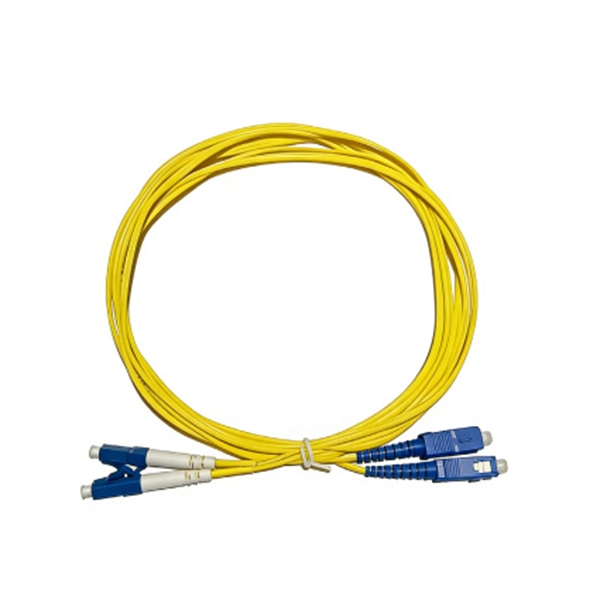
Fiber Optic Adapter Guide: Types, Tips & Solutions
The table below summarizes the most common fiber optic adapter types based on connector type, fiber mode, and port count, along with their
Fiber Optic Adapter Guide
In this guide, we''ll explore what fiber optic adapters are, their main types, how to choose the right one for your system, best cleaning practices, and answers to frequently asked questions,
Fiber Optic Adapter Guide: Types, Uses and How to Choose
Complete guide to fiber optic adapters (couplers) including SC/APC, SC/UPC, LC and FC types. Learn how to match adapter types with fiber connectors, polish types and applications.
Fiber Optic Adapter Types: LC, SC & Full Guide
Learn fiber optic adapter types including LC adapter and SC adapter. Simple guide to choose the right fiber adapter for your network.
Fiber-optic Adapters – inline, bulkhead adapter, functions, variants
Fiber-optic adapters are used for mating terminated optical fibers – with many versions for inline/bulkhead use, different connector types and environmental conditions.
Buying Guide Fiber Adapters | AMP CONNECT®
This blog post aims to elucidate the concept of fiber optic adapters, explore the different types available, and provide guidance on selecting the most suitable adapter for specific requirements.
Most Common Fiber Optic Adapters: Types, Applications, and
Learn about the most common fiber optic adapters, including LC, SC, and MPO. Understand their applications, deployment environments, and market trends.
A Comprehensive Guide to Fiber Optic Adapters – VCELINK
Standard fiber optic adapters fit the same connector at both ends, such as SC-SC adapter, LC-LC adapter, FC-FC adapter, ST-ST adapter, MPO-MPO adapter, E2000-E2000 adapter,
How Many Fiber Connector Types Do You Know?
The small footprint design gives these fiber optic connectors huge popularity in datacoms and makes them more ideal for high-density applications. Many tend to move to high-efficiency
Essential Knowledge on Fiber Optic Adapters
Fiber optic adapters are the linchpin of optical communication, ensuring the seamless and efficient transmission of light signals with minimal loss. They are integral for connecting fiber optic
Fiber-optic adapter
Bare fiber adapter is used as the medium to temporarily link the bare optical fiber to fiber optic equipment. Available with FC, SC, ST. LC, MU, SMA connectors with round or square type press
What is a Fiber Optic Adapter: The Most Complete Guide
In the precision-driven world of fiber optic networking, where signal integrity, latency, and density are paramount, the fiber optic adapter is one of the
Fiber Optic Adapters | Multilink
Fiber optic adapters connect two optical cables. The user inserts the cables into both ends of the fiber adapter to enable the conversion between different interfaces.
Fiber Optic Connector Types
Fiber Optic Connector Types Fiber connectors, also called fiber optic cable connectors, are often used to link optical fibers where a connect or disconnect capability is needed. Fiber optic cable connectors
Fiber Optic Connector Types Explained | FiberCablesDirect
Make sure you''re choosing the correct fiber optic connector for peak performance. Learn more about fiber connector types in our guide.
Fiber Optic Adapter/Coupler Tutorial
Fiber optic adapters, also known as couplers, play a crucial role in fiber optic networks by providing a connection point between two fiber optic connectors. They enable seamless and reliable
Fiber-optic cable
A fiber-optic cable, also known as an optical-fiber cable, is an assembly similar to an electrical cable but containing one or more optical fibers that are used to carry light. The optical fiber elements are
Unveiling the World of Fiber Optic Adapters and Their
Discover the essential role of fiber optic adapters in modern communication systems and explore the variety of types available in this
Related Video Reference
This video was associated with the source search result. Verify technical details against current product documentation and project requirements.