
Fiber connection and distribution references
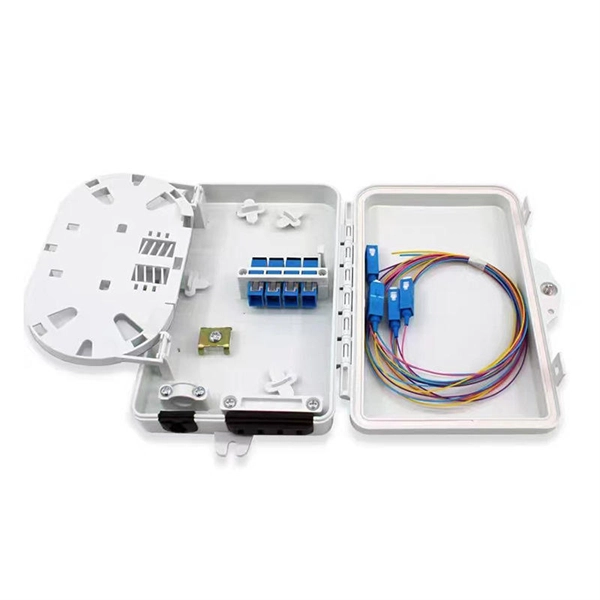
Grounding System Installation Standards for Distribution Boxes and
Your distribution box is mission control for electricity in any building. When grounding fails here, it''s like having a spaceship without a heat shield—everything inside becomes vulnerable to
DISTRIBUTION BOX
Each DISTRIBUTION BOX and controller must be grounded. On the US market, a 5.26 mm 2 (10 AWG) ground wire must be used, and in all other markets a 6 mm 2 must be used.
Distribution System Grounding
Grounding is a mechanism to protect distribution equipment and people under normal operating conditions, abnormal operational (overcurrent and overvoltage) responses, and hazardous conditions
How to Ground an Electrical Panel: NEC Requirements
A comprehensive guide on properly grounding an electrical panel according to NEC Article 250. Learn the difference between grounding and
Grounding Practices in Power Distribution Systems
High-Resistance Grounding (HRG): To provide a safe amount of ground fault current, HRG systems employ a high-resistance grounding resistor. This
Grounding system construction: key points for grounding distribution
Everything looks perfect until the moment of truth arrives. That''s why today we''ll break down the life-or-death details of grounding distribution boxes and cable shielding layers using plain
Why are Neutral and Ground Wires Separated in a Subpanel?
In a service equipment (main panel) and remote distribution panel (subpanel), the ground terminal must be connected to a ground rod using an equipment grounding conductor.
Earthing system
Three-phase HV/MV power transformers, located in distribution substations, are the most common source of supply for distribution networks, and type of grounding of their neutral determines the
Why are Neutral and Ground Wires Bonded in a Subpanel?
Ground Wire: The ground wire is a safety conductor that provides a path to the earth, or “ground,” to prevent electric shock. It does not carry current during normal operation but is designed to carry fault
How do you ground a plastic electrical box
Here are the steps on how to ground a power distribution box: 1. Preparation: First, you need to prepare some necessary tools, including grounding wire, grounding rod, voltmeter,...
Wiring Color Codes | Color Codes | Electronics Textbook
Wiring Color Codes Wiring for AC and DC power distribution branch circuits are color coded for identification of individual wires. In some jurisdictions all wire
Correct Connection Method Of Grounding Wire Of
Open the distribution box and find the position marked with the grounding plate or PE letter. This position is the connection point of the
The installation requirements for the distribution box
Learn how to install a distribution box safely and correctly. Covers wiring, placement, standards, and expert tips for a compliant setup.
Junction box
Australian Internal Surface Mounted Junction Box—showing wiring stages. Swedish junction box in Kuhlo-style with lever-connector Wago 221, where ground and neutral are connected in common.
How To Ground The Distribution Box
1. The grounding "bus" (grounding bus, PE bus) in the box is directly connected to the power ground wire or grounding system; 2. The metal box itself should be processed with a "box grounding bolt"
What Is a Distribution Box?
If you''re going to buy a distribution box, there are several things you should look for. You should choose a distribution box that''s made of a durable material, for instance. Synthetic rubber is
Requirements And Specifications For Installation Of Distribution Boxes
In flammable and explosive environments, explosion-proof distribution boxes should be selected and explosion-proof treatment should be carried out. The installation of explosion-proof
Electrical Grounding (A Complete Guide) | DFLIQ
Master the fundamentals of electrical grounding. Learn how to effectively protect your electrical systems and prevent potential hazards.
Related Video Reference
This video was associated with the source search result. Verify technical details against current product documentation and project requirements.