
Fiber connection and distribution references
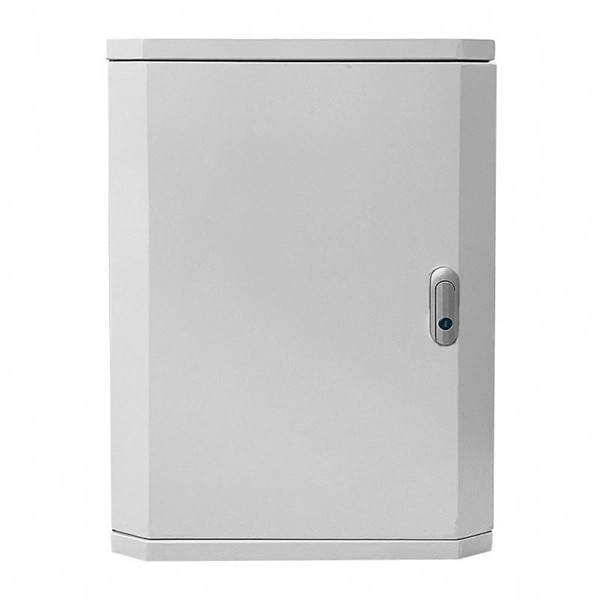
Optical Distribution Frame (ODF): The Complete Guide for Fiber
Q1: What is the difference between an ODF and a patch panel? An ODF is the entire frame or cabinet managing fiber connections, while a patch panel is a modular unit inside the ODF
What are the key components and functions of the ODF?
Patch Cords: These are pre-terminated fiber optic cables used to connect equipment to the ODF or for cross-connections within the frame. Patch cords come in various lengths and...
ODF Explained: Types, Architecture, Management & Selection Guide
As data centers, enterprises, telecom operators, and smart-building infrastructures deploy increasingly dense fiber links, ODFs provide the structured environment required to manage, protect, and scale
What is Optical Distribution Frame ODF?
Fiber optic splice trays are components used to manage and protect fiber optic connections. It is usually located inside the ODF and is made of high-quality engineering plastic ABS
Understanding LCP and ODF in FTTH Design
It describes the topology and components of the network including the optical line terminal (OLT), optical distribution frame (ODF), local convergence point (LCP), network access point (NAP),
Fiber Patch Panel (ODF) and High-Density MPO
A fiber patch panel functions as a centralized interface between external optical cables and internal network equipment. Its purpose is to provide
Optical Distribution Frame (ODF) in Telecom: Types & Uses
An Optical Distribution Frame (ODF) is a specialized enclosure designed to manage, connect, protect, and distribute fiber optic cables in telecom and data networks.
Guide to Optical Distribution Frames (ODFs) | FiberMania Factory
An Optical Distribution Frame (ODF) is a dedicated unit designed to organize, terminate, and interconnect fiber optic cables. It brings together fiber splicing, patching, and cable routing in a
Part 7 of 10 – FTTH 101: Inside the Nerve Center
Imagine a fiber cable that''s only about as thick as your finger, yet it contains 48 individual cores inside it. It looks small, but inside that thin cable are 48 separate paths for light...
Optical Distribution Frame (ODF): What It Is, How It Works, and Why It
In the complex architecture of fiber optic networks, the Optical Distribution Frame (ODF) serves as the linchpin for organizing, protecting, and distributing optical signals.
Fiber-optic cable
A fiber-optic cable, also known as an optical-fiber cable, is an assembly similar to an electrical cable but containing one or more optical fibers that are used to carry
Single Mode vs Multimode Fiber Explained | TRG
In today''s data-driven world, fiber optic technology is the backbone of high-speed communication. Whether you are upgrading a data center, building a corporate
Inside Ukraine''s Fiber-Optic Drone War
Ukrainian commander gives us new details on the advantages and limitations of using fiber optic cables to control FPV attack drones.
13,824-Core Fiber Optic Cable: Furukawa Electric
Furukawa Electric''s Lightera begins mass production of the world''s highest-class 13,824-core ultra-high-density fiber optic cable. Learn how this
Fiber-optic Adapters – inline, bulkhead adapter, functions, variants
Fiber-optic adapters are used for mating terminated optical fibers – with many versions for inline/bulkhead use, different connector types and environmental conditions.
The Ultimate Guide to Outdoor Waterproof... | ABPTEL
The Ultimate Guide to Outdoor Waterproof Ruggedized Fiber Optic Connectors (FTTA & Industrial) In the rapidly expanding worlds of 5G
Fiber Optic Cable and Splice Closure Solutions | Corning
RocketRibbon® Cable and 2178-XL Closures Our Fiber Optic Splice Closure 2178 family is ideal for our RocketRibbon® and SST-Ribbon™ cables. The solution
What Is Optical Fiber Technology, and How Does It Work?
What Is Optical Fiber (Fiber Optics) Technology? Fiber optics, or optical fibers, are long, thin strands of carefully drawn glass about the diameter of a human hair.
Related Video Reference
This video was associated with the source search result. Verify technical details against current product documentation and project requirements.