
Fiber connection and distribution references
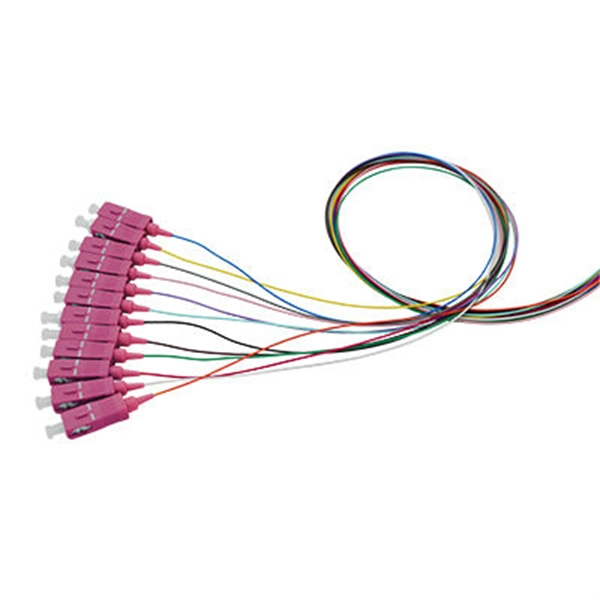
Fiber Optic Pigtails: Uses & Differences from Patch Cords
In this guide, we will break down what fiber optic pigtails are, how they differ from patch cords, what types exist, and how to select the right one for your project. By the end, you will have a
Comprehensive Guide to Fiber Optic Pigtails | Gezhi Photonics
Fiber optic pigtails are crucial in facilitating the termination of fiber optic cables, with their usage being a commonplace in optical fiber management systems, distribution boxes, and fiber
Fiber Optic Pigtails: Types, Uses & How to Splice Them
We supply high-quality fiber optic pigtails, patch cords, MPO/ MTP cables, transceivers, and full networking accessories. Every pigtail we ship is built with trusted fibers like Corning SMF-28
What Is a Fiber Pigtail? Types, Uses, Splicing and Selection Guide
Learn what a fiber optic pigtail is, how it differs from a patch cord, where it is used, and how to choose LC, SC, APC, UPC, single mode or multimode pigtails for fiber termination.
Fiber Optic Pigtail: The Complete Guide to Types, Splicing Methods
Confused about fiber optic pigtails—which connector type, which polish, fusion or mechanical splice? Our guide covers LC vs SC, APC vs UPC, splicing methods, and real-world use
Guide to Fiber Optic Pigtails: Introduction, Applications and
Fiber optic pigtails are essential components in the field of telecommunications and data networking. They serve as connectors between fiber optic cables and various devices, enabling the
Fiber Optic Cable vs Patch Cord vs Pigtail – Complete Guide
Understand the differences between fiber optic cables, patch cords, and pigtails. Learn standards, applications, and how to choose the right fiber solution
Fiber Optic Pigtail: Types, Splicing Guide, Specs & Price
A fiber optic pigtail is a short fiber cable with a factory-installed connector on one end and a bare fiber end on the other. The bare end is stripped, cleaned, and fusion-spliced to a trunk or
What is Fiber Pigtail? A Complete Guide for Beginners
A fiber pigtail is a fiber optic cable with pre-terminated fiber connector and exposed fiber. This guide introduces fiber pigtail basics, types.
Fiber optic pigtails: A comprehensive guide and overview
There are different types of fiber pigtails, which are primarily distinguished by the fiber connection and the fiber type. This comprehensive overview looks at the different categories and
The Complete Guide to Pigtail Fibers: Simplifying
IntroductionIn the world of fiber optics, where speed and precision reign supreme, pigtail fibers are the unsung heroes bridging the gap between
Pigtail Fiber: Essential Component in Modern Fiber Optic Connectivity
Introduction In the rapidly evolving landscape of fiber optic networks, precision and reliability are non-negotiable. Among the critical components enabling seamless optical connectivity,
Understanding Fiber Optic Pigtails: A Quick Guide
The fibers are stripped, cleaned, and precisely aligned before being fused together using a fusion splicer. This creates a permanent and low-loss connection between the fibers. Once the splice
How to choose fiber optic pigtails?
Splicing of pigtails to each fiber in the trunk "breaks out" the multi-fiber cable into its component fibers for connection to the end equipment. High quality fiber pigtails combined with correct fusion splicing
What is a Fiber Optic Pigtail? | Types, Uses & Advantages
Learn what a fiber optic pigtail is, how it differs from patch cords, and why it''s essential for efficient fiber termination in telecom and FTTH systems.
A Guide to Understand Fiber Pigtail in 2024
Welcome to our comprehensive guide on fiber pigtails – the crucial components that play a significant role in modern telecommunications and
Pigtail Fiber: The Backbone of Modern Optical Networks
Pigtail Fiber: The Backbone of Modern Optical Networks - A Comprehensive Guide for 2025 In the era of hyperconnectivity, where data centers, 5G networks, and AI-driven applications
Comprehensive Guide to Fiber Optic Pigtails | Gezhi Photonics
Dive into the world of fiber optic pigtails, their types, applications, and splicing methods. Enhance your network''s performance with Gezhi Photonics. Keywords: Fiber Optic Pigtails, Fiber