KENHARDT OPTICALNetworks across Africa Talk through a project
Fiber systems / Technical reading Optical reference library

What are the problems in optical cable manufacturing

Inside this technical reference
Source context

AI source overview

Optical cable manufacturing faces challenges such as surface defects, fiber bending, water ingress, connector failures, and mechanical damage, all of which can compromise performance and reliability.

Surface Defects in Cable Sheath

During the extrusion process, optical cables can develop pores, pinholes, bubbles, or rough surfaces due to uneven temperature, pressure, or speed control. High friction or poor cooling can lead to burnt particles or insufficient plasticization, affecting insulation, mechanical strength, thermal stability, and aging performance. These defects reduce product qualification rates, increase rework, and raise production costs, making quality control during extrusion critical for reliable cables.

Fiber Bending and Micro/MacrobendsOptical fibers are sensitive to bending. Microbends are small-scale distortions caused by uneven pressure, while macrobends occur when the cable is bent beyond its minimum radius. Both lead to light leakage and increased attenuation.

Excessive bending during manufacturing or installation can degrade signal quality. Preventive measures include adhering to bend-radius guidelines, using bend-insensitive fibers, and employing proper cable management hardware.

Water Ingress and Moisture

Moisture penetration into loose-tube or slotted-core cables can freeze, expand, and damage fibers. Hydrostatic pressure in underground or marine environments can drive water along the cable core, causing signal attenuation or complete failure. Proper sealing, desiccant packs, and water-blocking materials are essential to prevent moisture-related defects.

Connector and Splice Failures

Connectors and splices are critical points where fibers are joined. Common issues include misalignment, contamination, or poor termination, leading to high insertion loss and reflectance. Preventive measures include cleaning connector end-faces with approved tools, inspecting under a microscope, using high-quality fusion splicing equipment, and protecting splices in sealed enclosures.

Mechanical Damage and Cable Crush

Cables can suffer compression, crushing, or breakage during manufacturing, handling, or installation. External pressure, accidental impacts, or natural events can cause fiber fractures or refractive index changes, resulting in signal loss. Protective conduits, proper routing, and avoiding heavy loads on cables help mitigate these risks.

Aging and Degradation

Over time, optical fibers may degrade due to mechanical stress, temperature fluctuations, and environmental exposure. This leads to increased attenuation and reduced signal quality. Using high-quality fibers, protective coatings, and regular monitoring can extend cable lifespan and maintain performance.

Signal Attenuation from Excessive LengthManufacturing inconsistencies or overly long cable runs can cause signal diffusion and absorption, exceeding network planning limits and reducing communication effectiveness. Proper design and testing are necessary to ensure signal integrity over long distances.

Summary

Common problems in optical cable manufacturing include surface defects, fiber bending, water ingress, connector and splice failures, mechanical damage, aging, and excessive signal attenuation. Addressing these issues requires careful process control, quality materials, proper installation practices, and ongoing monitoring to ensure reliable, high-performance optical networks.

Research context

Reference summary

Fiber Optic Cable Failures in the Field And How to Understanding the common causes of failure and implementing preventive measures is essential to maintain.

From reference to enquiry

Questions for your project

Use these editorial prompts alongside the linked excerpts. They identify items to confirm for your project.

Detailed reading / connection to installation

Fiber connection and distribution references
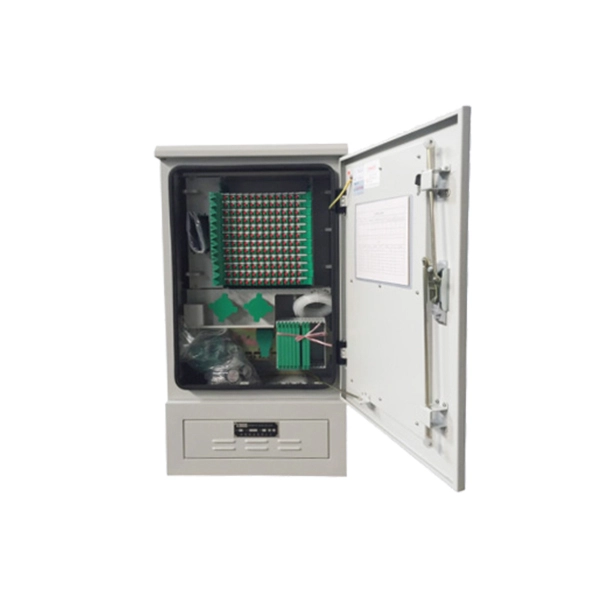
What are the problems in optical cable manufacturing
Equipment illustration / verify against the selected product

Fiber Optic Cable Failures in the Field And How to

Understanding the common causes of failure and implementing preventive measures is essential to maintaining reliable networks and avoiding

Optical Fiber Manufacturing Challenges: Technical and Logistical

Ensuring the high-quality manufacturing of optical fibers involves tackling numerous technical and logistical challenges. Precision engineering is critical to maintaining consistency in fiber

Fiber Optic Cable Production Process: Problems and Solutions

The objective of this work is to collect the problems in fiber optic cable production line in manufacturing. Problems and solutions of fiber optic cable production in practice have been described.

What Damages Fiber-Optic Cables? Key Risks and Mitigation Strategies

This guide explores the most common causes of fiber-optic cable damage, explains the technical impact of each risk, and provides actionable strategies to protect your fiber infrastructure.

Common Defects And Prevention Of Outer Sheath In Optical Cable

This article analyzes the causes of defects such as pores and pinholes in the sheath of cable products, and also proposes some corresponding preventive and solution measures for your

what are the common problems during production of fiber optic patch

By identifying common problems such as end-face defects, high insertion loss, diameter discrepancies, appearance issues, assembly problems, and failure to meet customer requirements, manufacturers

Causes of faults in communication optical cables

Sometimes, faults in optical cables can be traced back to manufacturing defects, including variations in fiber core diameter, impurities in the fiber material,

Optical Cable Manufacturing: A Deep Dive into the Process

Learn about raw materials, fiber drawing, cabling, and quality control in modern optical cable manufacturing. Is your digital life lagging? Slow streams, dropped calls? The unsung hero of

Main Causes of Fiber Optic Failures,Industry News

Reasons for Fiber Optic Failures: 1.Excessive Length of Fiber Optic Cable: Long fiber optic cables can lead to performance issues. 2.Excessive Bending: Overly bending the fiber optic

Troubleshooting Fiber Optic Networks in Manufacturing

In this article, you will learn about some of the most common challenges when troubleshooting fiber optic networks in a manufacturing environment and how to overcome them.

machines for fiber optical cable production

Increasing data capacities in optical signal transmission require ever-smaller cable diameters and higher fiber density at the same time. With Rosendahl machinery,

Optical Cable Manufacturing: A Deep Dive into the

Explore the optical cable manufacturing process. Learn about raw materials, fiber drawing, cabling, and quality control in modern optical cable

Negative Impacts Of Fiber Optics On The Environment

12 negative impacts of fiber optics on the environment Disturbance of the Environment during Installation Installing underground fiber cables depends

Solve Fiber Optic Cable Maintenance Challenges Today

Fiber Optic Cables are the backbone of modern High-Speed Internet, Telecommunications, and Data Centers. Their ability to transmit data at lightning

A Guide to Fiber Optic Testers, Tools, and Troubleshooting | Fluke

Learn about the common contaminants of fiber optics in today''s mission critical networks and get a detailed look at fiber testing and types of fiber testers to ensure network performance.

Single & Multi-Mode Optical Fiber Solutions | Prysmian

Explore Our Optical Fiber Cable Products Prysmian proudly offers an impressive array of premium optical fiber products, featuring Bend-Optimized Single-Mode,

Optical Fiber Products

Optical fiber broadband brings together a culture of innovation, quality, and manufacturing excellence to create life-changing products.

20 Largest Fiber Optic Cable Companies in... | AIMIFIBER

This updated list ranks the 20 largest fiber-optic cable companies worldwide and Learn more from AIMIFIBER — fiber optic manufacturer since 2008.

Related Video Reference

This video was associated with the source search result. Verify technical details against current product documentation and project requirements.

Make the connection clear

Share the fiber interfaces, termination capacity, cable route and evidence required for handover.

Send a project brief