
Fiber connection and distribution references
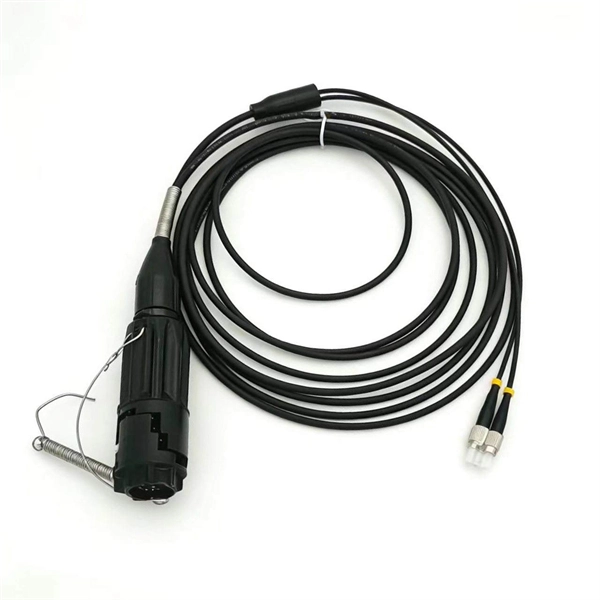
What is the function of a distribution box?
Its primary role is to ensure safety, control, and organization. Let''s break down its core functions. 1. Centralized Control and Distribution. The main function of a Distribution Box is to act as
Transmission and Distribution Power Cables
These cables combine the functions of carrying current and providing structural stability, allowing the system to span between poles without requiring additional support hardware.
Engineering Handbook
Section One – Cable Design and ApplicationSection Two – Cable InstallationShort CircuitsFault CurrentsPulling TensionsEstimated Pulling TensionPulling LubricantsContinuous Support of Cables (Vertical)Support by MessengerTerminating & SplicingMethods for Stripping of Jackets:ConnectorsTape ShieldsConcentric NeutralsSealingGrounding PracticesMovement of Reels of CableStorage of Reels of CableSection One explains cable design based on requirements for power and amperage ratings, cable dimensions, and fault current carrying capability. The selection of the appropriate cable for a particular application is essential so the cable gives excellent service over the life of the installation. Consideration must be given to both electrical and m...See more on kafactor Wikipedia
Electric power distribution - Wikipedia
The low voltage translated to higher current and required thick copper cables for transmission. In practice, Edison''s DC generating plants needed to be within
IEEE 525-2007_accepted
Lightweight fiber-optic cable rubs on all sides of the conduit through the natural undulation of long straight runs. Many common lubricants flow to the bottom of the raceway and lose effectiveness in
Understanding Utility Pole Wires: Everything You Need
Utility pole wires play an important role in the ecosystem and have become an essential part of the energy system within cities and the countryside.
Distribution Box: Types and Functions | Axis-Electricals
Power distribution boxes are useful as they eliminate the need to connect each output device directly to the power source. Therefore, there is no need to use
High Voltage Cables H
However, outside the cable, the equi-temperature lines would no longer be concentric and the heat flow would go radially outwards from the surface of the cable and ending up at the surface of the ground
Ultimate Guide To Distribution Boxes Db Boxes Types
This ultimate guide explains what a distribution box does, its internal components, common types, real-world applications, and how to select the right DB Box for
Ultimate Guide to Transmission & Distribution Cables In...
These cables come in various configurations and materials, enabling them to handle different voltage levels and environmental conditions. With proper installation
Distribution Box: Types and Functions | Axis-Electricals
A distribution box houses all the contact breakers, earth leakage units, doorbells, and timers. The electrical power supply comes from the network to the building
Cable Run: The Backbone of Network Infrastructure
Cable runs are categorized based on their orientation and function within a building''s network infrastructure: Horizontal Cable: This type of cable run
Distribution Boxes: Types and Functions
Inside a distribution box are components like circuit breakers, earth leakage units, doorbells, and timers. The building''s electrical power enters
The Importance of Distribution Boxes in Electrical Systems
A distribution box is an exposed or concealed metal box that houses the circuit breakers that regulate the distribution of electricity throughout a
Power Distribution Boxes Explained Simply
How Does a Power Distribution Box Work? A power distribution box acts like a traffic controller for electricity. It receives power from the main supply
Understanding Distribution Boxes: A Comprehensive
A distribution box, also known as a power distribution box or electrical distribution box, is used to distribute electrical power safely to multiple
The Importance of Distribution Boxes in Electrical Systems
Distribution boxes are an essential component of any electrical system, providing a safe and reliable way to distribute power to various circuits in
Distribution Boxes Explained: Types, Functions, and
Learn about distribution boxes, their types, functions, and safety features to ensure efficient and secure electrical power distribution in any building.
Underground Power Cables
The electrical power transmission is carried out through two main approaches i.e. by use of Underground Power Cables or overhead electrical cables. This post gives