KENHARDT OPTICALNetworks across Africa Talk through a project
Fiber systems / Technical reading Optical reference library

The fiber optic core is too slippery

Inside this technical reference
Source context

AI source overview

Fiber optic cores can feel slippery due to their smooth glass or plastic surface, but proper handling, cleaning, and the use of index-matching gels can improve splicing and connector performance.

Why Fiber Cores Feel Slippery

The core of a fiber optic cable is made of glass or plastic, designed to transmit light efficiently. This smooth surface is essential for minimizing signal loss, but it can make the fiber difficult to grip or align during splicing or connectorization. Slipperiness can also increase the risk of misalignment, which may lead to signal loss, Fresnel reflections, or intermittent connectivity issues.

Techniques to Improve Handling

Use Index-

Matching Gel: For mechanical splices, applying an index-matching gel reduces reflection and improves light transmission by filling microscopic gaps between fiber ends, which also helps stabilize the fibers during alignment. Proper Cleaning: Even minor contamination from dust, oil, or fingerprints can exacerbate handling difficulties. Clean the fiber ends and connectors with fiber optic cleaning wipes or alcohol before splicing or connecting.

Specialized Tools: Use fiber holders, clamps, or fusion splicing machines to maintain precise alignment without relying solely on manual grip. These tools reduce the impact of the slippery surface and improve splice quality. Controlled Environment: Work in a dust-free, static-free environment to prevent contamination and accidental slips.

Gentle Handling: Avoid bending or twisting the fiber excessively, as stress can damage the core and worsen handling issues.

Summary

While the smooth surface of fiber optic cores is necessary for efficient light transmission, it can make handling challenging. Using index-matching gels, proper cleaning, specialized splicing tools, and careful handling techniques can mitigate slipperiness, ensure proper alignment, and maintain optimal network performance.

Research context

Reference summary

Fiber Optic Troubleshooting Guide: Problems, ToolsLearn how to troubleshoot fiber optic cables with common problems, a step-by-step process, essential tool.

From reference to enquiry

Questions for your project

Use these editorial prompts alongside the linked excerpts. They identify items to confirm for your project.

Detailed reading / connection to installation

Fiber connection and distribution references
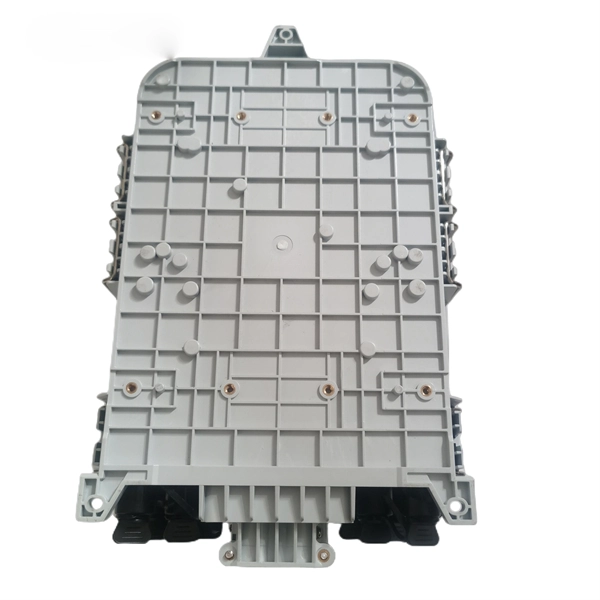
The fiber optic core is too slippery
Equipment illustration / verify against the selected product

Fiber Optic Troubleshooting Guide: Problems, Tools

Learn how to troubleshoot fiber optic cables with common problems, a step-by-step process, essential tools, and proven solutions for stable network

Identifying (and Fixing) Fiber Performance Issues

These problems are all commonly experienced in fiber optic installations and, often, they''re fixed with basic troubleshooting and service. This article explores the problems and

Fiber optic systems Maintenance and Troubleshooting

To solve this issue, it is important to regularly clean connectors and inspect cables for damage. Additionally, it is important to ensure that fiber optic cables are not bent beyond their minimum bend

Fiber Optic Issues: Troubleshooting & Prevention Tips

Solve common fiber optic network problems—attenuation, damage, connector issues. Learn troubleshooting steps, tools, and prevention to ensure reliable connectivity.

A Practical Guide to Troubleshooting Common Optical Link

Troubleshooting optical link issues? Identify and fix common fiber optic problems fast with step-by-step solutions for reliable network performance.

Common Fiber Optic Cable Issues and How to Fix Them

Ever wondered why your blazing-fast fiber optic internet suddenly slows to a crawl, or why your network connection drops out just when you need it most? You''re not alone.

What Are The Most Common Fiber Optics Problems?

Fiber optic systems, however, can only be considered a panacea for some problems. Fiber optic loss is a concern during connector and cable selection and installation. This article

White Paper: Troubleshooting Fiber

Problems within a fiber link can occur due to a wide variety of reasons. A very common problem is that a connector is not fully engaged - often hard to notice in a crowded patch panel.

Fiber: having the fiber coiled like this, will it affect the signal?

I''ve been dealing with fiber lines for years, and have been very surprised how tough they really are. I''ve bent, pulled, twisted, stepped on, rolled over fiber cables and haven''t noticed any issues or failures.

Fiber Optic Patch Panel: 10 Best Options for 2025 Success

Discover the best fiber optic patch panel options for 2024. Learn how to choose, install, and maintain your fiber network for future growth.

Everything you need to know about fiber optic termination

Fiber Optic Termination Tutorial We terminate fiber optic cable two ways - with connectors that can mate two fibers to create a temporary joint and/or connect

Latest Fiber Optic Technology 2025 for Faster Networks

Stay ahead with the latest fiber optic technology in 2025. Learn innovations driving speed, efficiency, and smarter network solutions.

Fiber Patch Cord Types: How to Choose the Correct One?

Are you perplexed about various fiber optic patch cables due to different characteristics. Let''s talk about all things about fiber optic patch cables.

Security Camera System setup with Fiber Optic Cable

Fiber optic cable is useful for anyone who is seeking to exceed the limitation of copper-based Ethernet network cabling. Fiber optic cabling and

ADSS Fiber Optic Cables: What They Are, Structures, Applications

2. Core Structures of ADSS Fiber Optic Cable ADSS cables are manufactured in two primary structural designs— central tube and layered twist —each optimized for specific span

The FOA Reference For Fiber Optics

Designers of fiber optic cable plants and networks depend on these specifications to determine if networks will work for the planned applications. For the purposes of

NYT Connections archive

Every NYT Connections puzzle ever published is listed here, organised by date, with all four category groups and their sixteen words. The NYT only offers the current day''s puzzle for free,

The FOA Reference For Fiber Optics

The Optical Time Domain Reflectometer (OTDR) is useful for testing the integrity of fiber optic cables. It can verify splice loss, measure length and find faults.

6 questions about “The fiber optic core is too slippery ”

How can one identify a broken fiber optic cable?

To identify a broken fiber optic cable, start by performing a visual inspection for any physical signs of damage, such as bends, cracks, or breaks...

What methods are used to test fiber optic cables without a tester?

There are several methods to test fiber optic cables without a tester. One method is using a visual fault locator (VFL), as mentioned earlier, to v...

What are the causes of intermittent fiber optic connections?

Intermittent fiber optic connections can be caused by a variety of factors, including: Poorly terminated connectors or splices that result in unsta...

How does end face contamination impact fiber optic performance?

End face contamination negatively impacts fiber optic performance by increasing signal loss, reflection, and scattering. Contaminants such as dirt,...

What factors contribute to fiber optic degradation?

Fiber optic degradation can be caused by several factors, such as: Physical stress on the cable, including bending, twisting, or crushing, which ma...

How can I resolve issues when my fiber internet is not functioning?

When your fiber internet is not functioning, follow these steps to resolve the issue: Verify that all connections are secure and properly seated, i...

Make the connection clear

Share the fiber interfaces, termination capacity, cable route and evidence required for handover.

Send a project brief