
Fiber connection and distribution references
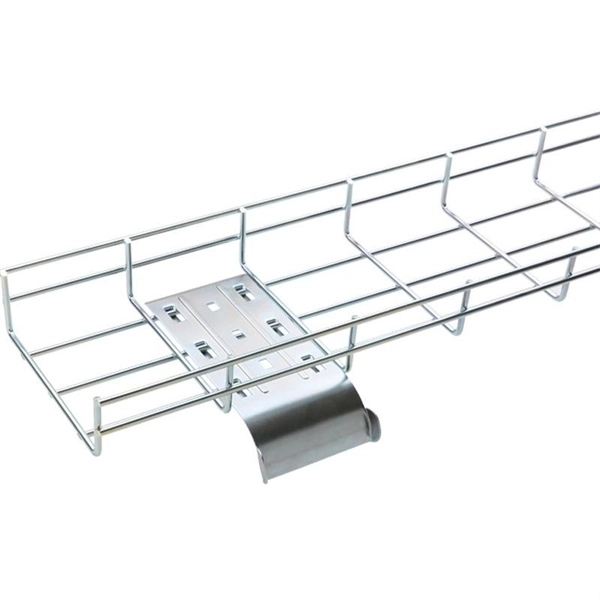
Cable Tray Checklist for High-Seismicity Projects
When those elements are coordinated early, cable tray systems can perform far more reliably under earthquake demands. Planning a project in a high-seismicity region? Contact our team
Design and Installation Manual for Seismic Bracing of Cable Trays
Overview of a cable tray seismic bracing load path from tray rail to structure. This guide serves EPC engineers, MEP contractors, procurement teams, and site inspectors working on
Performance-based optimum seismic design of cable tray system
The seismic performance levels of cable tray systems are presented according to current seismic design codes. A performance-based optimum seismic design procedure for cable tray
Seismic Supports
Seismic Supports Cable trays are systems used for the safe transportation and protection of electrical cables, designed to fit the pathways within buildings and structural installations.
Cable Tray and Conduit System Seismic Evaluation Guidelines
Guidelines are presented here for conducting in-plant seismic ruggedness review of conduit, cable trays, and their support systems. The in-plant review has two purposes.
Seismic Cable Tray Specifications
All cable trays shall have a capacity to support increasing in cable of 25%. Seismic Performance: Cable trays and supports shall withstand the effects of earthquake
Rev 7 to Procedure SAG.CP3, "Seismic Design Criteria for Cable Tray
The design requirements for seismic Category I structure are delineated in Regulatory Guide 1.29. This docussat provides the seismic design guideline for cable tray hangers of Comanche Peak Steam
Seismic and cable tray solution flyer
Our team of experts can help you select the best cable tray series for your application, as well as designing your seismic bracing layout to ensure it meets applicable building codes and standards.
Westinghouse AP1000 Design Control Document Rev. 19
This appendix provides the design criteria for seismic Category I cable trays and their supports. Seismic Category II cable trays and their supports are also designed utilizing the design criteria of this appendix.
Seismic fragility analysis of suspended cable trays in civil buildings
The suspended cable tray is mainly composed of seismic supports, gravity supports, and tray components. Two full-scale cable tray specimens were tested, one with A-type seismic supports
Seismic analysis and design of electrical cable trays and support
Most cable trays in nuclear power plants are classified as seismic category I components. Current safety requirements dictate that all such components be adequately designed in order to
V.C. Summer Nuclear Station, Units 2 and 3, Rev. 3 to Updated
Cable Trays and Cable Tray Supports This appendix provides the design criteria for seismic Category I cable trays and their supports. Seismic Category II cable trays and their supports are also designed
Performance-based optimum seismic design of cable tray system
The results show that the proposed performance index (drift ratio between adjacent supports) for cable tray systems is a reasonable criterion for performance-based seismic design and
Seismic fragility analysis of suspended cable trays in civil buildings
This study aims to understand the seismic fragility of typical suspended cable trays in civil buildings through full-scale shaking table tests and numerical simulation. Based on the shaking table
Westinghouse AP1000 Design Control Document Rev. 19
Allowable Stresses The basic stress allowables for the cable trays are based on the American Iron and Steel Institute specification. The basic stress allowables for cable tray supports utilizing light gage
Understanding Seismic Support for Electrical Installations
By understanding and implementing the maximum design spacing for rigid and flexible cable trays, accurately placing lateral supports, and utilizing gate-type seismic braces, the resilience of electrical
Cable Tray and Conduit System Seismic Evaluation Guidelines
The checks of the analytical review guidelines are formulated to ensure that cable tray and conduit supports are seismically rugged, consistent with the above observations from the seismic experience
Cable Tray Seismic Performance Testing: What You
What is Cable Tray Seismic Performance Testing? Cable tray seismic performance testing evaluates how well cable trays withstand earthquakes. It''s