KENHARDT OPTICALNetworks across Africa Talk through a project
Fiber systems / Technical reading Optical reference library

SFP Optical Module Application Circuit Design

Inside this technical reference
Source context

AI source overview

SFP optical modules convert electrical signals to optical signals and vice versa, integrating TOSA, ROSA, laser drivers, limiting amplifiers, and a microcontroller for high-speed data transmission.

Core Architecture

An SF

P (Small Form-Factor Pluggable) module consists of several key components: TOSA (Transmitter Optical Sub-Assembly): Converts electrical signals into optical signals using laser diodes (VCSEL, FP, or DFB) for high-speed applications or LEDs for low-speed links. Laser diodes provide coherent light with narrow spectral linewidth and high coupling efficiency, essential for long-distance transmission.

ROS

A (Receiver Optical Sub-Assembly): Converts incoming optical signals back into electrical signals. High-sensitivity modules may use APD receivers, which require additional booster circuits. Laser Driver: Controls the modulation and bias current of the laser diode, often including compensation for parasitic capacitance and inductance to optimize signal integrity.

Limiting Amplifier: Amplifies the received electrical signal to a standard logic level while providing LOS (Loss of Signal) or SD (Signal Detect) indicators. Microcontroller (MCU): Manages module functions, digital diagnostics, and I²C communication for monitoring parameters like temperature, voltage, and optical power. Electrical Interface and Pin DesignSFP modules use a gold finger connector with sequenced pin lengths to ensure proper power-up and signal integrity: Longest pins: Signal groundIntermediate pins: Power supplyShortest pins: Data signals Control and status pins include: TX_DIS: Shuts down the transmitter optical outputTX_FAULT: Indicates transmitter faultRate Select: Optional input to adjust receiver bandwidth for multiple data ratesMOD_DEF (0-2): Module presence and identification bits Circuit Design ConsiderationsLaser Compensation: AC-coupling the laser to the driver and tuning resistors and capacitors (e.g., R9/C1, R1/R5, L1-L6) compensates for parasitic effects and optimizes modulation response.

Amplifier Selection: Limiting amplifiers must match the data rate and sensitivity requirements; some designs include SONET/SDH compatibility. Power and Thermal Management: Proper layout ensures minimal crosstalk, stable biasing, and thermal dissipation for high-speed operation.

MC

U Integration: Provides digital diagnostics per SFF-8472, including temperature, voltage, TX/RX power, and laser bias monitoring.

Reference Designs

Several vendors provide complete SFP/SFP+ reference designs: Microchip SFP+ Evaluation Board: Uses MIC3003 controller, SY88022AL laser driver, and SY88053C/073L limiting amplifiers with tunable compensation components.

T

I 10G SFP+ Solution: Combines ONET1101 laser driver, ONET8501 limiting amplifier, and MSP430 MCU with full schematics, PCB layout, and firmware. Analog Devices SFP-RDK: Includes ADN2870 laser driver, ADN2880/2 transimpedance amplifier, ADN2891/2 limiting amplifier, and ADuC7020 MCU for flexible module design. These reference designs provide schematics, BOM, PCB layout, and test data, serving as a practical starting point for custom SFP module development.

Summary

Designing an SFP optical module requires careful integration of optical, analog, and digital circuits. Key focus areas include laser modulation, signal amplification, power sequencing, thermal management, and MCU-based diagnostics. Using reference designs from established vendors can significantly reduce development time while ensuring compliance with SFP/SFP+ MSA standards and high-speed performance.

Research context

Reference summary

Optical Module Working Principle | SFP Transceiver Technical Guide. This comprehensive guide breaks down the internal structure, core components (TOSA, R.

From reference to enquiry

Questions for your project

Use these editorial prompts alongside the linked excerpts. They identify items to confirm for your project.

Detailed reading / connection to installation

Fiber connection and distribution references
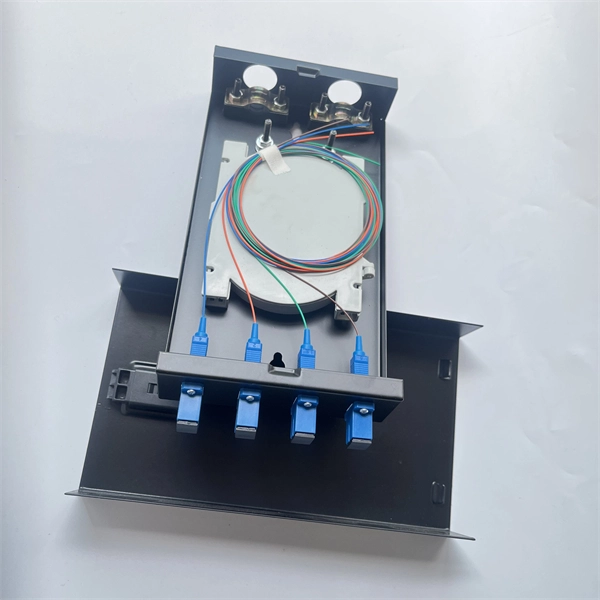
SFP Optical Module Application Circuit Design
Equipment illustration / verify against the selected product

Optical Module Working Principle | SFP Transceiver Technical Guide

This comprehensive guide breaks down the internal structure, core components (TOSA, ROSA, lasers), and operational mechanisms of SFP optical modules, enriched with technical insights

TI Optical Module 10G SFP+ Total Solution

This application note covers 10km 10G DML base SFP+ design details and test solution: includes module side schematic, PCB layout, firmware, BOM, debugging tips; also evaluation board

SFP+ Module Reference Design

This evaluation board is a complete SFP+ module as defined in the SFP+ MSA document. The design uses Micrel''s MIC3003 controller, the 10G DFB/FP laser driver SY88022AL, and any of the following

SFP Reference Design Kit Preliminary Data Sheet (Rev. PrA)

The Analog Devices SFP Reference Design is available in several configuration depending on the end application. The primary differences are related to the speed of the receive section, and the

Optical Transceivers Design Reference Guide

This design guide provides the information needed to incorporate OptixCom''s fiber optics transceiver products in the customer''s system. The SFP+ series of the transceiver products are compliant with

Designing a Copper SFP using the VSC8221 10/100

The audience for this document is customers engaged in the design of copper SFPs or field application engineers, marketing and sales involved support and design of VSC8221 based copper SFPs.

SFP Chipset and Reference Design Simplify 4.25 GBPS

Complete high performance chips sets support SFP for Sonet, Ethernet and Fiberchannel at rates from 100Mbps to 4.25G and XFP at 10G. Full reference designs speed time to market, simplify evaluation

Broadcom Evaluation Board for SFP Transceivers

This document describes the details of the evaluation printed circuit board (PCB) and the test equipment and methods for evaluating SFP modules.

SFP Reference Design Kit Preliminary Data Sheet (Rev. PrA)

Evaluation GUI software Applications Note(AN-706), User Manuals The SFP-RDK consists of Analog Devices'' optical transceiver chip set: the ADN2870 dual loop laser driver, the ADN2880/2

SFP+ Module Reference Design

Related Support Documentation MIC3003 datasheet: Fibre optic module controller featuring digital diagnostic monitoring interface, as per SFF-8472/SFF-8432, with internal/external calibration and full

AC480: PolarFire FPGA SFP+ Module Application Note

2 PolarFire FPGA SFP+ Module Microsemi''s 10G optical SFP+ module is a system-level optical transceiver solution built with the lowest power, smallest form factor, and highly secure PolarFire®

In-Depth Analysis of SFP Modules: History, Workings, Types, and

Dive into the world of SFP modules, exploring their history, working principles, various types, applications, compatibility issues, and the correct way to choose and use them.

What is SFP Module and How to Choose it?

Ethernet SFP Module: What Is It? Ethernet SFP module, known for its compact, small form-factor pluggable design, also referred to as a mini-GBIC (gigabit interface converter), is a

The Ultimate Guide to SFP Modules (2026): Types, Speeds

Confused by SFP vs SFP+? Read the definitive 2026 guide on SFP modules. We explain Single Mode vs Multimode, DDM diagnostics, and how to choose the right transceiver for Cisco, Juniper, and more.

What Is an SFP Module? — Complete Guide to SFP, SFP+ & SFP28

An SFP (Small Form-factor Pluggable) is a compact, hot-pluggable transceiver module that allows networking equipment — including switches, routers, servers, and media converters — to support

Fibre Channel

SFP modules support a variety of distances via multi-mode and single-mode optical fiber as shown in the table below. SFP modules use duplex fiber cabling with LC connectors. SFP-DD modules are

Small Form-factor Pluggable

Small Form-factor Pluggable Small Form-factor Pluggable connected to a pair of fiber-optic cables Small Form-factor Pluggable (SFP) is a compact, hot-pluggable network interface module format used for

SFP Dual LC Optical Transceivers

SFP Dual LC Optical Transceivers This design guide provides the information needed to incorporate OptixCom''s fiber optics transceiver products in the customer''s system. The SFP series of the

Related Video Reference

This video was associated with the source search result. Verify technical details against current product documentation and project requirements.

Make the connection clear

Share the fiber interfaces, termination capacity, cable route and evidence required for handover.

Send a project brief