
Fiber connection and distribution references
Fiber Optic Pigtail: The Complete Guide to Types,
Confused about fiber optic pigtails—which connector type, which polish, fusion or mechanical splice? Our guide covers LC vs SC, APC vs UPC,
Fiber Optic Pigtail: Types, Splicing Guide, Specs & Price
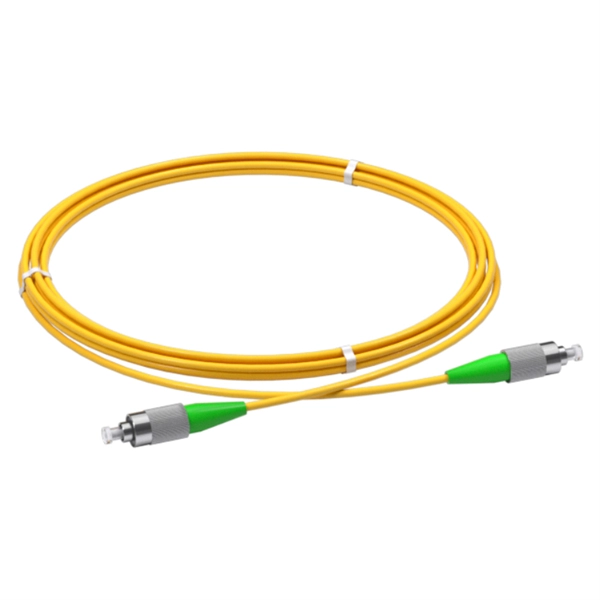
A fiber optic pigtail is a short cable with one factory-polished connector and one bare fiber end. The connector is usually SC/APC for FTTH, LC/UPC for data centers, or FC/ST for industrial work.
Fiber Optic Pigtails: Uses & Differences from Patch Cords
In this guide, we will break down what fiber optic pigtails are, how they differ from patch cords, what types exist, and how to select the right one for your project. By the end, you will have a
Fiber Optic Pigtails: Types, Uses & How to Splice Them
Learn fiber optic pigtails types and uses in plain English. Compare LC, SC, MPO connectors, single-mode vs multimode, and follow our step-by-step splicing guide.
LC vs SC vs FC vs ST: A Complete Fiber Optic Connector Guide
Compare LC, SC, FC & ST fiber-optic connectors — size, coupling, and ideal use cases — to help you choose the best fit for your network setup.
Understanding Fiber Pigtail Types: LC, ST, SC Connectors
SC fiber pigtails are characterized by their square shape, which allows for precise alignment and low signal loss. This feature makes them well-suited for applications in cable television
12 Fiber SC Pigtails – ISP Procurement Guide
12 Fiber SC Pigtails are pre-terminated fiber optic cables with twelve individual SC connectors on one side and bare fiber on the other. These pigtails
Fiber Patch Cord & Pigtail: Types, Specifications & Selection | Opelink
Introduction This article is a selection guide for Fiber patch cords and pigtails, which systematically introduces the definitions and differences between the two, different application
Fiber Optic Pigtails: Choosing the Right LC, ST, or SC Pigtail for Your
In this comprehensive guide, we will explore the different types of fiber optic pigtails, including LC, ST, and SC pigtails. Each type has its own unique design, size, and compatibility
What Is a Fiber Pigtail? Types, Uses, Splicing and Selection Guide
Learn what a fiber optic pigtail is, how it differs from a patch cord, where it is used, and how to choose LC, SC, APC, UPC, single mode or multimode pigtails for fiber termination.
Understanding Fiber Pigtail Types: LC, ST, SC Connectors
Explore fiber pigtail types like LC, ST, and SC connectors for various applications. Learn about fiber optic connectors and termination methods.
Optical fiber connector
An optical fiber connector is a device used to link optical fibers, facilitating the efficient transmission of light signals. An optical fiber connector enables quicker
What is Fiber Pigtail? A Complete Guide for Beginners
Fiber optic pigtails are mainly for fast fusion splicing applications, while patch cords are for connectivity between optical transceivers, patch panels,
Fiber Optic Pigtails, SC, FC, ST, and LC Fiber Connectors
The SC Fiber Pigtails (APC, UPC) are available in both single and multimode versions. Our Fiber Pigtails come with a partial outer jacket, protecting the tight
Fiber Optic Pigtails
ShowMeCables offers a wide variety of fiber optic pigtails with LC, LC-UPC, SC, SC-UPC and ST connector types and in lengths of 1-m to 15-m. Order now!
SC Pigtail: The Backbone of Fiber Optic Networks
As optical networks evolve, SC pigtails will follow suit. Enhanced versions will cater to ever-increasing data rates, incorporate more advanced fiber types, and optimize installation and
Fiber Optic Pigtail: Types, Splicing Guide, Specs & Price
Fiber optic pigtail guide : SC/APC & LC/UPC connectors, 0.9/2.0/3.0 mm buffers, single-mode and multimode types, fusion splicing steps, price ranges, specifications, and how to
Fiber Optic Pigtail Types
Fiber optic pigtails are available in various types: Grouped by pigtail connector type, there are LC fiber optic pigtails, SC fiber pigtails and ST fiber
Related Video Reference
This video was associated with the source search result. Verify technical details against current product documentation and project requirements.