KENHARDT OPTICALNetworks across Africa Talk through a project
Fiber systems / Technical reading Optical reference library

Requirements for Tower Crane Level 3 Distribution Box

Inside this technical reference
Source context

AI source overview

A Level 3 distribution box for tower cranes must meet strict electrical, safety, and operational standards, including proper grounding, overcurrent protection, weatherproofing, and compliance with manufacturer and regulatory specifications.

Electrical Design and Safety

The distribution box must be designed to safely distribute power to the crane's motors, control systems, and auxiliary equipment. Key requirements include: Overcurrent Protection: Circuit breakers or fuses must be installed to prevent overloads and short circuits, protecting both the crane and personnel. Grounding: Proper grounding is mandatory to prevent electrical shock hazards and ensure safe operation under all conditions.

Weatherproofing: The enclosure must be rated for outdoor use, resistant to rain, dust, and temperature extremes, typically meeting NEMA 3R or equivalent standards. Isolation and Lockout: The box should allow for safe isolation of circuits for maintenance, with lockout/tagout provisions in accordance with OSHA and local regulations. Compliance with StandardsASME B30.

3-2019: Requires that all electrical components, including distribution boxes, conform to manufacturer specifications and be inspected regularly. Electrical systems must be designed to prevent hazards during crane operation, including emergency stops and overload conditions.

OSH

A 1926. 1435: Mandates that tower crane electrical systems, including distribution boxes, be installed according to manufacturer or registered professional engineer designs, ensuring proper load handling and stability. Local Codes: For example, NYC Building Code Section 3319 requires that all crane equipment, including electrical distribution, be installed, maintained, and inspected according to approved plans and manufacturer specifications.

Installation and Maintenance

Qualified Personnel: Installation, inspection, and maintenance must be performed by qualified electricians or personnel trained in crane electrical systems. Inspection Frequency: Regular inspections should follow ASME B30. 3 and B30.

20 guidelines, including checks for corrosion, loose connections, and proper labeling of circuits. Documentation: All inspections, tests, and maintenance activities must be documented, signed, and dated, ensuring traceability and compliance with safety regulations.

Operational Considerations

Load Management: The distribution box must support the crane's rated load and operational cycles without overheating or voltage drops. Emergency Systems: Integration with crane emergency stop circuits and alarms is required to ensure immediate shutdown in hazardous conditions. Environmental Controls: If the crane operates in extreme temperatures or high humidity, the distribution box may require additional cooling or heating elements to maintain safe operation.

Summary

A Level 3 distribution box for tower cranes is a critical component that ensures safe and reliable electrical power distribution. Compliance with ASME B30. 3-2019, OSHA 1926.

1435, and local building codes, along with proper installation, grounding, overcurrent protection, weatherproofing, and regular inspection, is essential for safe crane operation. Proper documentation and qualified personnel are mandatory to maintain regulatory compliance and operational safety.

Research context

Reference summary

1 RCNY §3319-01 For a tower crane, other than a self-erecting tower crane, this must include boom configurations for weathervaning, information or limitati.

From reference to enquiry

Questions for your project

Use these editorial prompts alongside the linked excerpts. They identify items to confirm for your project.

Detailed reading / connection to installation

Fiber connection and distribution references
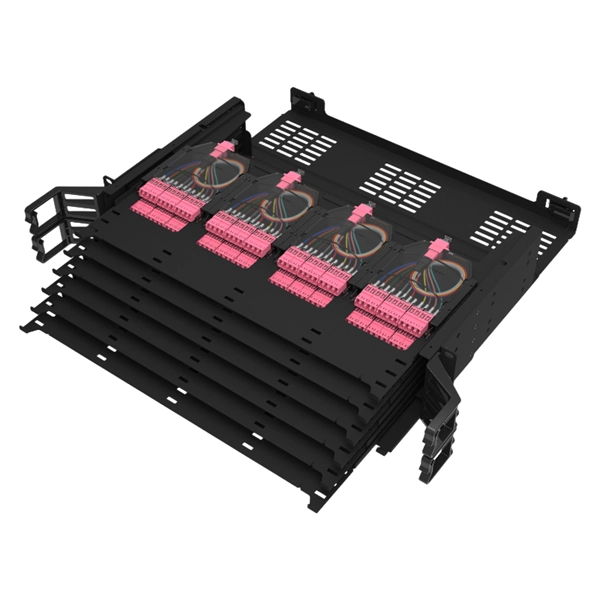
Requirements for Tower Crane Level 3 Distribution Box
Equipment illustration / verify against the selected product

1 RCNY §3319-01

For a tower crane, other than a self-erecting tower crane, this must include boom configurations for weathervaning, information or limitations/prohibitions on locking or restricting the boom, and

TOWER CRANE REFERENCE MANUAL

The requirements of the Federal Aviation Administration (FAA) standard 7460-1 must be met for any obstruction of more than 200 feet in height above the ground level at its site.

§ 3319-01 Cranes and Derricks.

The design, construction, permitting, installation, removal, adjustment, repair, inspection, maintenance, operation and use of cranes and derricks must conform to the requirements of Section 3319 of the

Cranes & Derricks

The Cranes & Derricks Unit (C&D) oversees the design, installation, and safe operation of equipment used for hoisting or lifting purposes. The Unit does not regulate equipment installed on water.

eCFR :: 29 CFR 1926.1435 -

The tower crane must be equipped with a device which automatically prevents damage from contact between the load block, overhaul ball, or similar component, and the boom tip (or fixed upper block

ISO 4301-3:2021

This document provides the classification of tower cranes for construction work as defined in ISO 4306‑3, and gives specific requirements for steel supporting structure, mechanisms, ropes and

ASME B30.3-2019 Tower Crane Safety Standard

Safety standard for tower cranes, including cableways, cranes, derricks, hoists, hooks, jacks, and slings. Covers design, erection, operation, and maintenance.

SW-G 5.03 B Contractor Requirements

Monitor and verify the tower crane base construction in line with the design and associated ITP (Inspection and test plan). Reinforcement and foundation anchors have been installed in accordance

GENERAL GUIDE FOR CRANES

Take into consideration the complete life cycle of the crane, how long you are likely to keep the crane, how often the crane is likely to be used, the conditions under which it will be used and the maximum

Full text of "NEW"

Full text of "NEW" See other formats Word . the, > < br to of and a : " in you that i it he is was for - with ) on ( ? his as this ; be at but not have had from will are they -- ! all by if him one your or up her there

TOWER CRANE REFERENCE MANUAL

NO WARRANTY Information and materials provided in this Tower Crane Reference Manual are provided “as is” without warranty of any kind, either express or implied, including with-out limitation

Electrical Safety for Tower Cranes

Introduction 1.1 Scope This document describes minimum levels for the electrical safety of the equipment and wiring on tower cranes for the purpose of complying with the requirements of the

Tower Crane Distribution Box Market Analysis & Forecast 2035

The Tower Crane Distribution Box Market Size was valued at 1,951.2 USD Million in 2024. The Tower Crane Distribution Box Market is expected to grow from 2,056.5 USD Million in 2025 to 3,500 USD

Construction Plant-hire Association Tower Crane Interest Group

NOTE: European Standard BS EN 14439 Crane- Safety tower cranes includes requirements for electrical equipment and circuits on tower cranes and EN60204-32:2008 Safety of machinery -

Tower Crane Power and Lightning Safety

This document provides requirements for tower crane power supplies, earthing arrangements, and lightning protection. It states that an adequate mains electricity supply or generator is needed to

CPA TCIG TIN

This guidance is not intended to extend to the electrical equipment and circuits on the crane that were provided by the crane manufacturer at time of first supply. NOTE: European Standard BS EN 14439

Sure! Here are some blog topic ideas related to Tower Crane

Depending on the specific requirements of the tower crane and the application, the distribution box may include transformers or converters to adjust voltage levels appropriately.Importance of Circuit

Distribution Board for Tower Crane

Find reliable distribution board for tower crane and other electrical cabinet solutions. Durable, high-quality components for efficient crane control.

Make the connection clear

Share the fiber interfaces, termination capacity, cable route and evidence required for handover.

Send a project brief