
Fiber connection and distribution references
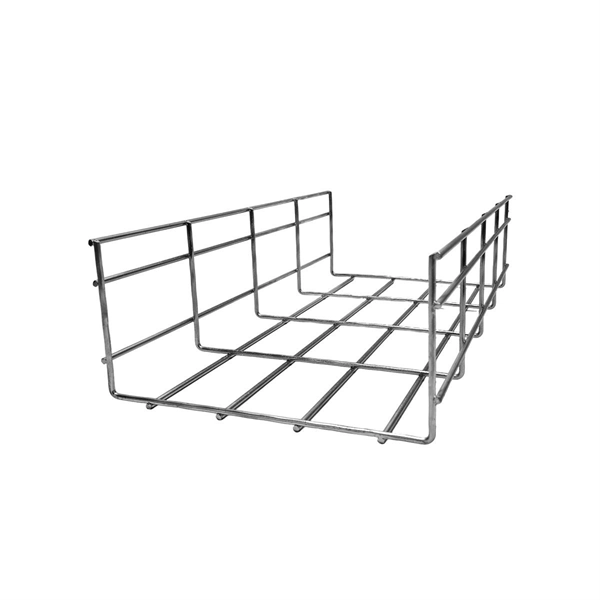
Grounding & Bonding Wire Mesh Cable Trays
Learn grounding and bonding requirements for wire mesh cable tray systems. Stay NEC compliant while safely installing power, control, Ethernet, and fiber...
Cable Tray Technical Guide A practical guide to product selection and
This guide for engineers and installers has been developed by ABB as a practical reference regarding cable tray characteristics, installation, and requirements.
NEC Standards for Cable Trays: Grounding, Fill Capacity
This article provides a comprehensive framework that governs various aspects of cable tray installations, including the types of cables that are deemed acceptable for use, requirements for
Wire Mesh Tray Technical Guide
The NEMA VE standard for cable trays is the "product" standard which defines the requirements and tests for cable tray and cable ladder systems. As IEC 61 537 is the only harmonized standard at a
Practices for grounding and bonding of cable trays
There are three wiring options for providing an EGC in a cable tray wiring system: An EGC conductor in or on the cable tray. Each multi-conductor cable with its individual EGC conductor. The cable tray
Bonding and Grounding wire mesh cable tray.
These installations must be bonded per NEC 392.7(A) which states: “Metallic cable trays that support electrical conductors shall be grounded as required for conductor enclosures in accordance with
Guide to cable support systems
Four different mesh cable tray types are available, depending on the requirements, area of application and cable quantity. The innovative Magic connection system of the GRM and G-GRM mesh cable
Document DICOS
To install the cable tray supports, first find the required elevation from the floor to the bottom of the cable tray and establish a level line with a laser or a nylon string.
From Blueprint to Reality: Installing Wire Mesh Cable
How to install wire mesh cable trays like a pro with this comprehensive guide. Our team helps with installation preparations and pro-level installation tips.
Cable Tray Technical Guide A practical guide to product selection and
Cable Tray Technical Guide A practical guide to product selection and installation This guide for engineers and installers has been developed by ABB as a practical reference regarding cable tray
Practices for grounding and bonding of cable trays
Grounding and bonding of cable trays There are three wiring options for providing an EGC in a cable tray wiring system: An EGC conductor in or on
Wire Mesh Cable Tray Installation: A Comprehensive Guide
Installing wire mesh cable trays is a straightforward process when done correctly. By following this guide, you can ensure a safe, efficient, and durable cable management system that
Practices for grounding and bonding of cable trays
A bare copper equipment grounding conductor should not be placed in an aluminum cable tray due to the potential for electrolytic corrosion of the aluminum cable tray in a moist environment. For such
Perfect Wire Mesh Cable Tray Systems Design for Your
Unlock the secrets to flawless wire mesh cable tray systems designs, cable tray sizing and routing, electrical, installation guidelines for
Connecting Cable Trays: Your Guide to Secure and
Learn common methods for connecting cable trays safely and efficiently. Our guide covers splice plates, quick-connects, and key tips for
Technical Requirements for Wire Mesh Cable Trays
Technical Specifications for Wire Mesh Cable Trays Wire mesh cable tray technical requirements are crucial for the success of cable management and wiring systems. Our wire mesh cable trays undergo
Cable Tray Support Spacing: Key Guidelines Explained
Wire Mesh Cable Trays are mainly used for telecommunication and fiber optic cables. The cable tray is made of a lightweight and easily rearrangeable design that can suit the various cable
How to Install Cable Tray: A Comprehensive Guide to Different Cable
Welcome to our step-by-step guide on installing cable trays! In this video, we''ll explore the different types of cable trays available and provide detailed instructions for their installation.
Related Video Reference
This video was associated with the source search result. Verify technical details against current product documentation and project requirements.