
Fiber connection and distribution references
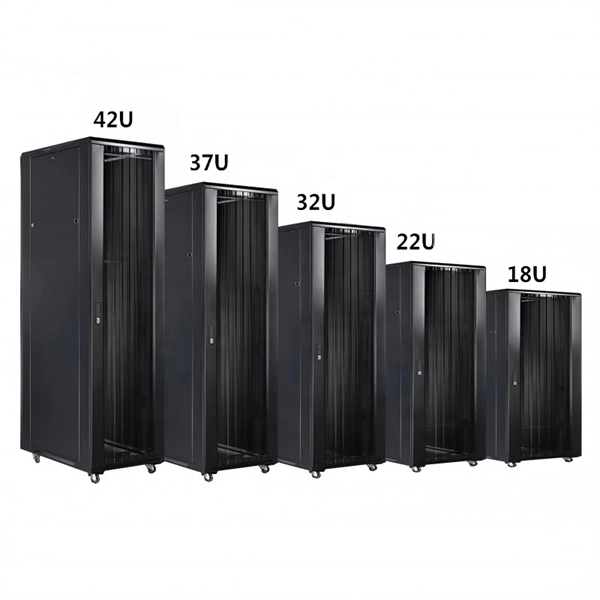
APPLYING PROPER CABLE MANAGEMENT IN IT RACKS
Network cabinets house network switches and patch panels. These cabinets have the highest concentration of cabling in the data center, making patch cord management even more critical and
The installation requirements for the distribution box
IntroductionUnderstanding The Components of A Distribution BoxSelecting The Right Distribution BoxSite Preparation and Location RequirementsElectrical Connections and WiringCompliance with Standards and RegulationsConclusionWhat Is a Distribution Box?A distribution box, also known as a power distribution unit, is a critical component in any electrical system. It is the control center for electricity in your home or business. It takes the electrical power coming into the building and distributes it to different circuits. Each circuit then powers various deviceWhy Proper Installation MattersInstalling a distribution box correctly is about more than just making sure the lights turn on. It''s about safety, efficiency, and reliability. A poorly installed distribution box can lead to a host of problems. These include electrical fires, short circuits, and even complete power failures. Proper installation ensures thaSee more on eabel Published: Feb 7, 2025Electrical Technology
IEC / BS 7671 Codes for Consumer Unit and Distribution Board
The IEC (International Electrotechnical Commission) and BS 7671 (British Standard for Electrical Installations) both provide essential requirements for electrical installations, including those for fuse
National Electrical Code (NEC) Requirements for Panelboards
Obstructions: The panelboard''s working space must be kept clear and not used for storage. No obstructions like pipes, cabinets, or doors can block access to the panel.
SPECIFICATION 271100 COMMUNICATIONS CABINETS AND
A minimum of 5 feet between walls and equipment bays will allow space for wall mounted copper cable terminations and the required 36” distance from equipment for work space.
Transformer and Distribution Cabinet Equipment Installation
These standards and requirements are based on relevant technical specifications and industry best practices to ensure the safety and reliability of equipment installation.
Cabinet Cable Routing Requirements
When routing power cables, measure the distance between the DC power distribution frame terminal and the power distribution box (PDB) wiring terminal of the cabinet and reserve a
Standards Frequently Asked Questions | BICSI
For standard equipment racks or cabinets, manufacturers of equipment racks and cabinets often provide guidance regarding the cabling capacity of the racks, cabinets, vertical management and horizontal
Communications Distribution System Requirements
Cable racks, cable rack supports, cable rack hooks and locking clips shall be used to support and secure cables and splice cases. If necessary, corner brackets shall also be provided.
Network Cable Management: Complete Guide
Master network cable management with this complete guide. Learn best practices, tools, and tips to keep your setup organized, efficient, and easy to
IEC / BS 7671 Codes for Consumer Unit and Distribution Board
IEC-60364 and BS-7671 Guidelines for Garage Unit, Consumer Unit and Distribution Board. IE and BS EN 61439 Requirements for Consumer Unit
Cabinet Cable Routing Requirements
Environment Requirements for the Proper Running of the Server Lightning Protection and Grounding Requirements Power Supply Requirements Electromagnetic Compatibility and ESD
Uncovering the Secrets of Power Distribution Cabinets: A
Explore power distribution cabinets! This comprehensive guide unveils secrets of PDUs, electrical centers, and power distribution in data centers.
Best Practices for Installing and Maintaining Distribution Cabinets
Proper installation and maintenance of distribution cabinets are crucial for ensuring the safety and reliability of the electrical system. In this article, we will discuss the best practices for
ABB Cable Distribution Cabinets | Products
ABB cable distribution cabinets provide a robust and safe solution with uncompromised lifetime. They are designed for outdoor usage and verified to withstand external mechanical impacts according to
Communication Facilities Construction Design Standards
3 Main Distribution Frame (MDF) Room The Main Distribution Frame (MDF) room serves as the demarcation point location for the building. It is the transitional point from the voice, data, and video
COMMUNICATIONS DISTRIBUTION SYSTEM DRAWINGS
Cables - Aggregate cross-sectional area of cables in steel sleeve to be max 48 percent of the aggregate cross-sectional area of the sleeve. Cables to be rigidly supported on both sides of wall assembly.
Cable Distribution Cabinet
Advanced cable distribution cabinet models offer modular configurations, allowing technicians to customize layouts based on specific project requirements. Temperature regulation features such as
Cable Tray SHIB NAL
Cable trays can provide a safe component of a power, low voltage control, data or telecommunications wiring distribution system. Cables in trays can be easy to mark, find, and remove. Their flexibility