
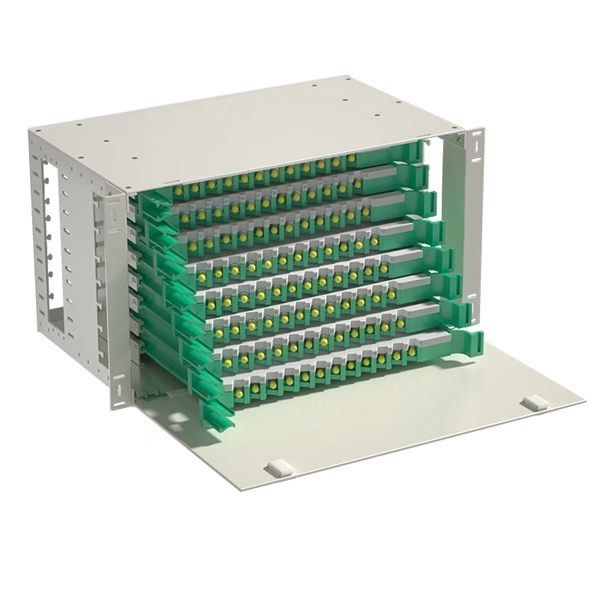
Fiber connection and distribution references
Updates in Relay Protection Standards
Updates to relay protection standards are driven by several factors. As new technologies and techniques are introduced, standards must be revised to address their adoption and application.
What to Know About Recent NERC Mandates Involving Protection
As a result, NERC has enacted new reliability standards that target protection-related processes: Requires evidence of a sound relay settings development process and proof of
PROTECTIVE RELAYING AND POWER QUALITY
There are five major standards that have been identified as relevant that have the greatest interaction with protective relaying.
PRC-005-6
Each Transmission Owner, Generator Owner, and Distribution Provider shall establish a Protection System Maintenance Program (PSMP) for its Protection Systems, Automatic Reclosing, and Sudden
PRC-005-6: Protection System, Automatic Reclosing, and Sudden
Identify which maintenance method (time-based, performance-based per PRC- 005 Attachment A, or a combination) is used to address each Protection System, Automatic Reclosing, and Sudden
IEC 60255 1xx: Protection relay functional standards for all
The International Electrotechnical Commission (IEC) is currently working on a new series of standards that covers the functional requirements of
IEEE Guide for Protective Relay Applications to Transmission Lines
The purpose of this guide is to provide a reference for the selection of relay schemes and to assist less experienced protective relaying engineers in applying protection schemes to transmission lines.
By law, protective relay calibration is required once
According to Reg. 110 (4), ER (Electricity Regulations) 1994; any protective relay and device of an installation will need to be checked, tested and calibrated by a
NERC PRC-005-6 Compliance Guide: Maintenance
Learn the key requirements of NERC PRC-005-6 for protective system maintenance, testing intervals, and documentation. Stay audit-ready with
Upgrading Relay Protection?—Be Prepared
Upgrading the electromechanical relays to numeric relays resulted in better protection, better relay communication, and a less-cluttered use of panel space (along with built-in metering, the company
Minimum Maintenance Criteria
A preventive maintenance program should ensure the functionality of the relay system without causing additional problems in the process. This document establishes minimum guidelines for the
PRC-005-6
Misoperations due to product design errors, software errors, relay settings different from specified settings, Protection System Component, Automatic Reclosing, or Sudden Pressure Relaying
The Current Situation and Emerging Trends in Relay
Explore the latest trends in relay protection, including innovations in relay test set technology, the shift to digital relays, and tools like the secondary
Power System Protective Relays: Principles & Practices
Protective relays and devices have been developed over 100 years ago to provide “lastline”of defense for the electrical systems. They are intended to quickly identify a fault and isolate it so the balance of
You May Think Everything''s OK With Your Power System, But Are
Part 3 in a 4-part Series On Protection Engineering How long has it been since you had your relay settings checked? If you have simply been replicating the same settings year after year, in spite of
(PDF) A review on protective relays'' developments and
Protective relays are the decision-making devices in the protection scheme.These relays have undergone, through more than a century, important changes in their
The basics of power system protection that every
Introduction to relay protection Protection is the branch of electric power engineering concerned with the principles of design and operation of
Understanding NERC Standard PRC-005-6 | EPE
NERC compliance auditors will expect evidence that all protection functions capable of tripping BES elements are included. This is typically verified by cross-checking PRC-005 asset lists
Related Video Reference
This video was associated with the source search result. Verify technical details against current product documentation and project requirements.