
Fiber connection and distribution references
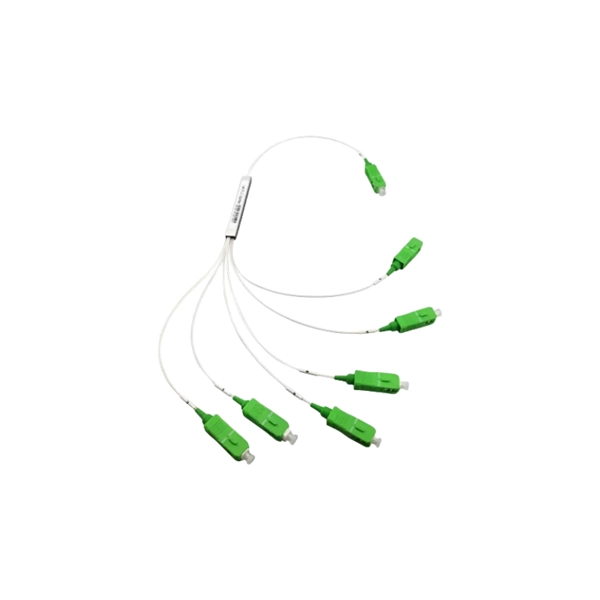
wiring pigtails
Through this guide, we''ve shown how pigtail methods create durable bridges between multiple conductors and terminals. These short connectors protect your circuit by isolating faults, ensuring
pigtails electrical connection
Understand the importance of pigtails electrical connection in electronics. Follow our step-by-step guide to ensure efficient and safe connections.
How to Wire an Electrical Pigtail with Diagram [Pro Safety Guide]
To create a code-compliant pigtail, you need 12 or 14-gauge THHN wire, wire strippers, Lineman''s pliers, and appropriately sized wire nuts. Before beginning any wiring project, ensuring
How To Make Electrical Pigtail Wire Connections
Knowing how to make an electric pigtail is essential for car wiring projects. You might encounter damaged wire sections or short wires that need extensions to create electrical continuity
How to Pigtail an Outlet for a Safer Connection
This method involves connecting the circuit''s main wires to a short jumper wire, or pigtail, which then connects to the terminal of the device. This guide provides a step-by-step process for
wiring pigtails
Professionals favor this method because it future-proofs installations. You''ll spend less time diagnosing problems and more time maintaining smooth operations. Properly executed pigtail electrical work
Master a Perfect Inline Wire Splice Everytime
Master a Perfect Inline Wire Splice Everytime: In this instructable i will teach you how to make a perfect inline wire splice, every timeWhat is an inline splice?Well,
How to Pigtail Ground Wires (Guide with Photos)
Knowing how to pigtail a ground wire is very helpful for many DIY projects. If your wires are too short and uncomfortable to work with, the pigtailing technique comes in handy. Pigtailing
Pigtail for an Outlet
A pigtail connection is a safe way to make sure multiple wires stay connected to a screw terminal. You can also create a pigtail to extend a wire that is too short in an electrical box.
How to Pigtail Electrical Wires
Redo if needed for a solid connection. Hot Pigtail: Follow the same steps as the neutral pigtail. 3️⃣ Ensuring Solid Connections Twist the wire nut until the wires start twisting together.
How to Wire an Electrical Pigtail (With Diagram)
Understanding the Electrical Pigtail An electrical pigtail is a short piece of wire, typically at least six inches long, used to bridge a group of circuit wires to a single device terminal. This method
How to Properly Pigtail Outlets for Safety
Pigtail wiring is a superior method for connecting electrical receptacles, ensuring safety and longevity for the entire circuit. This technique involves creating short wire segments that isolate
Fiber Optic Pigtail Introduction and Installation Guide
Fiber Optic Pigtail Splicing: Swift and Effortless Fiber Termination Fiber pigtail offers high-quality performance as its connected end is factory
The Ultimate Guide to Pigtail Cable Assemblies and
To make efficient communication possible across different applications, pigtail cable assemblies and connectors are crucial in the ever
What is a Pigtail Connector? A Complete Guide
Network Systems: Pigtail connectors are also used in telecommunications equipment and data centres to extend or connect fibre-optic cables. Pigtail connectors are typically used in
How to Wire a Device Using the Pigtail Wiring Method | Leviton
Watch this Leviton video to learn how to wire a device using this method. If you''re ever unsure about wiring a device, please consult an electrician.
Electrical Pigtails
Q. When does the electrical code require pigtails for connecting devices in residential wiring?A. Ben Giles, licensed electrician and owner of South Shore Electrical Contractors, in
How to Pigtail Wires for a Safe Electrical Connection
A pigtail in electrical wiring is a short length of conductor used to transition from a bundle of multiple circuit wires to a single termination point, such as a device terminal or fixture connection. This
Related Video Reference
This video was associated with the source search result. Verify technical details against current product documentation and project requirements.