
Fiber connection and distribution references
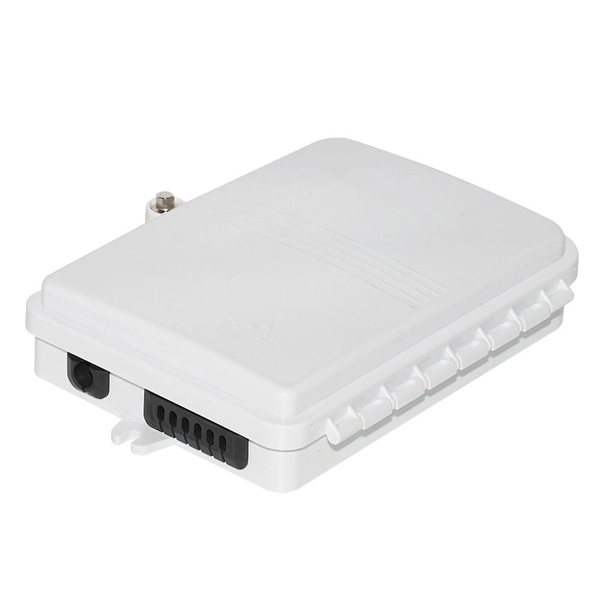
Beam Splitters – optical power splitter, beamsplitter, thin-film
What are Beam Splitters? A beam splitter (or beamsplitter, power splitter) is an optical device which can split an incident light beam (e.g. a laser beam) into two (or sometimes more) beams, which may or
What are Beamsplitters?
Beamsplitters are optical components used to split incident light at a designated ratio into two separate beams. Additionally, beamsplitters can be used in reverse to combine two different beams into a
Understanding Beamsplitters: Types, Principles, and Applications
The assembly works by splitting the incoming light into one to two beams, one or more of which are transmitted through the optical element and one or more of which are directed at an angle
Beam Splitter Input-Output Relations
The beam splitter has played numerous roles in many aspects of optics. For example, in quantum information the beam splitter plays essential roles in teleportation, bell measure-ments, entanglement
Beam Splitter
A beam splitter is defined as an optical device that effects a linear transformation of fields presented at two input ports, producing output beams that are related to the input fields in a characteristic manner
Covering the Basics of Beamsplitters — Firebird Optics
Beamsplitters are usually made as a reflective device that splits the beam into exactly 50/50 with half of the beam being transmitted and the other half being reflected. If this component is
Optical Beamsplitters Explained | Cube & Polarizing Types
As the name suggests, these optics divide a light beam into two separate beams, splitting light according to its polarity. They are often used to transmit p-polarized light while reflecting all s-polarized light in a
What Are Optical Beam Splitters?
What is Beam Splitter? A beam splitter is any device that can guide light in two separate directions. The majority of these devices are constructed using glass cubes. Half of the light beam, when shone at
NYT Connections archive
Every NYT Connections puzzle ever published is listed here, organised by date, with all four category groups and their sixteen words. The NYT only offers the current day''s puzzle for free,
Teleprompter
Teleprompter Schematic representation: (1) Video camera; (2) Shroud; (3) Video monitor; (4) Clear glass or beam splitter; (5) Image from subject; (6) Image from
Full text of "NEW"
Full text of "NEW" See other formats Word . the, > < br to of and a : " in you that i it he is was for - with ) on ( ? his as this ; be at but not have had from will are they -- ! all by if him one your or up her there
Aois Propriis Volat
The staged containment breach—a minor failure in the cooling systems—threw the lab into disarray. Alarm klaxons blared as scientists scrambled to secure the artifacts. In the chaos, Zola quietly
Gizmodo | The Future Is Here
Dive into cutting-edge tech, reviews and the latest trends with the expert team at Gizmodo. Your ultimate source for all things tech.
What are Beamsplitters?
Options range from laser beam combiners designed for specific laser wavelengths to broadband hot and cold mirrors for splitting visible and infrared light. This type of beamsplitter is commonly used in
Fiber Optic Splitter Working Principle: An Overview
A fiber splitter, also known as a beam splitter, is an optical device that divides an incoming fiber optic signal into two or more separate output fibers. It plays a crucial role in enabling
Lets see
After this first experimental demonstration of a metamaterial, research focussed on examining materials for different wavelength regimes. Starting at microwave frequen-cies with the size of the
Quantum physics and the beam splitter mystery
ABSTRACT Optical lossless beam splitters are frequently encountered in fundamental physics experiments regarding the nature of light, including “which-way” determination of light particles, N.
Schematic diagram of the standard LTP II optical system. The first beam
A simplified schematic of the LTP optical system is shown in Fig. 1. A beam splitting arrangement separates a laser beam into a pair of collinear beams, separated by a distance of about one
Related Video Reference
This video was associated with the source search result. Verify technical details against current product documentation and project requirements.