KENHARDT OPTICALNetworks across Africa Talk through a project
Fiber systems / Technical reading Optical reference library

Material Selection for Distribution Box Circuits

Inside this technical reference
Source context

AI source overview

Distribution box materials should be chosen based on electrical insulation, mechanical strength, fire resistance, corrosion protection, and environmental conditions.

Metal Enclosures

Steel and aluminum are the most common metals used for distribution boxes. Steel offers high mechanical strength, impact resistance, and excellent fire containment, making it suitable for industrial plants, commercial high-rises, and areas prone to physical damage or vandalism. Aluminum is lightweight, corrosion-resistant, and easier to handle, making it ideal for damp or outdoor environments.

Metal boxes also shield against electromagnetic and radio frequency interference, but they require proper earthing to prevent electrical hazards. Powder-coated or galvanized finishes improve corrosion resistance, though coastal or highly corrosive environments may still pose challenges.

Plastic Enclosures

Thermoplastics such as polycarbonate (PC), ABS, and Acrylonitrile Styrene Acrylate (ASA) are widely used for indoor and outdoor distribution boxes. These materials are non-conductive, providing inherent electrical insulation and reducing the need for earthing. They are lightweight, corrosion-resistant, and resistant to moisture and chemicals, making them suitable for residential, agricultural, and coastal applications.

Modern plastics are often halogen-free and flame-retardant, though they have lower thermal melting points compared to metals and may degrade under prolonged UV exposure.

Thermoset Plastics

Sheet Molding Compounds (SMC) and epoxy glass cloth boards are thermoset materials used for high-performance applications. They offer excellent insulation, high heat resistance, and mechanical strength, making them suitable for high-voltage or outdoor environments. However, SMC is heavier, non-recyclable, and more expensive, and may require post-processing for a smooth finish.

Key Selection Criteria

Electrical Insulation: Non-conductive materials like plastics or thermosets prevent accidental shocks and short circuits. Fire Resistance: Metals provide containment for internal arcing, while flame-retardant plastics prevent fire propagation. Mechanical Strength: Steel and epoxy-coated metals resist impact; plastics are lighter but less impact-resistant.

Environmental Protection: Check IP ratings (e.g., IP65 or IP66) for dust and water ingress, and use gaskets or seals for outdoor or humid conditions. Thermal and Surge Resistance: Materials should withstand heat (≥70°C) and surge voltages (e.g., 2kV for one minute) without damage. Corrosion Resistance: Plastics and aluminum resist rust; steel requires coatings or epoxy treatment.

Recommended ApplicationsIndustrial/High-Risk Areas: Steel or epoxy-coated metal for fire containment and mechanical protection.

Residential/

Smart Homes: Polycarbonate or ASA plastics for insulation, lightweight handling, and corrosion resistance. High-Voltage/Outdoor: SMC or epoxy glass cloth boards for superior insulation and heat resistance. Choosing the right material ensures safety, durability, and compliance with electrical standards, while optimizing installation and maintenance costs.

Research context

Reference summary

Distribution Box and Selection Guide: Internal Structure, Components. Learn how to choose a distribution box and understand its internal structure, inclu.

From reference to enquiry

Questions for your project

Use these editorial prompts alongside the linked excerpts. They identify items to confirm for your project.

Detailed reading / connection to installation

Fiber connection and distribution references
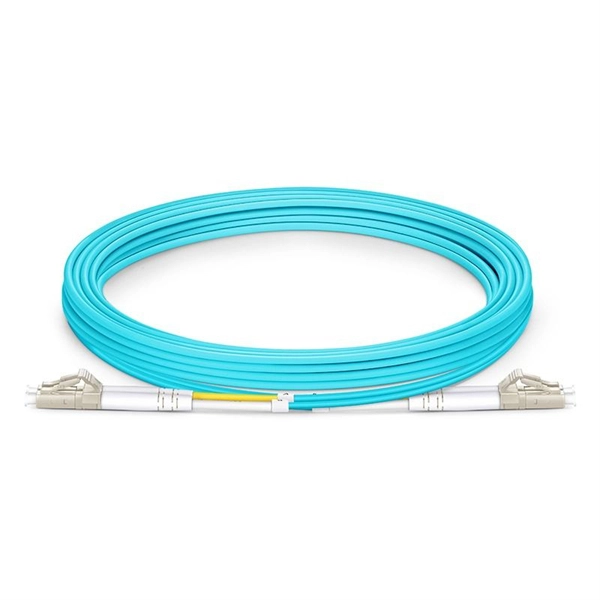
Material Selection for Distribution Box Circuits
Equipment illustration / verify against the selected product

Distribution Box and Selection Guide: Internal Structure, Components

Learn how to choose a distribution box and understand its internal structure, including MCBs, busbars, neutral bars, earth bars, RCDs, RCBOs, SPDs, enclosure ratings, and wiring layout.

What Are the Main Materials Used in Distribution Boxes

Distribution box material options include steel, aluminum, PVC, polycarbonate, and SMC, each offering unique benefits for safety and durability.

Ultimate Guide To Distribution Boxes Db Boxes Types

This ultimate guide explains what a distribution box does, its internal components, common types, real-world applications, and how to select the right DB Box for

Key Material Requirements for Distribution Box

Learn the key material requirements for distribution box, Discover how the right materials ensure long-lasting performance and safety.

How to Choose the Right Electrical Distribution Box for Industrial

A comprehensive guide for contractors and facility managers on selecting distribution boxes based on materials, IP ratings, and application environments.

Distribution Box: Key Functions, Components, and Selection Tips

Learn everything about the Distribution Box, its key components, and how to choose the right one. Explore our quality products and upgrade your electrical system today!

How to choose a distribution box of the right size for a project based

In this guide, I''ll walk you through a practical, step-by-step process to size your distribution box based on actual load current. We''ll cover everything from understanding your circuits to planning

The Box Material Of The Distribution Box Is Generally

Importance of material selection: Choosing the right material is crucial to ensure the safety and durability of the distribution box. In specific

The Ultimate Guide to Electrical Panels & Switchgear: Design,

With increasing demands for uptime, efficiency, and remote monitoring, modern installations also require thoughtful electrical enclosure selection, suitable NEMA/IP protection, and

Electrical Distribution Boxes -ZHENGKAI

Discover electrical distribution boxes types, components (MCB, RCCB, RCBO, SPD, busbar) and functions. Get expert selection guidance and

Understanding Distribution Boxes: A Comprehensive

A distribution box, also known as a power distribution box or electrical distribution box, is used to distribute electrical power safely to multiple

Materials Matter: Choosing Between Plastic Metal and Composite

Conclusion Choosing between plastic, metal, and composite Distribution Boxes comes down to balancing performance, cost, and environment-specific needs. Plastic excels in cost

Distribution Box: Key Functions, Components, and Selection Tips

How Distribution Boxes Work Distribution boxes receive electrical power from the main power line or another primary source and then distribute it to various outlets and circuits within a

Electrical Distribution Boxes: Types, Uses & Selection Guide

Learn how electrical distribution boxes work, their key components, common types, and how to choose the right enclosure for safe and reliable power distribution.

Distribution Boards: A Comprehensive Guide for

Unravel the complexities of distribution boards. This guide provides in-depth insights for both B2B procurement personnel and consumers, covering

How to Choose a House Distribution Box | CHINT global

A well-chosen distribution box ensures the safety and efficiency of your household electrical system. This article guides you through selecting a distribution box.

What is an Electrical Distribution Box? A

At its core, an electrical distribution box (or distribution board) is a metal or plastic enclosure that houses various components responsible for

What Is a Distribution Box?

If you''re going to buy a distribution box, there are several things you should look for. You should choose a distribution box that''s made of a durable material, for instance. Synthetic rubber is

Make the connection clear

Share the fiber interfaces, termination capacity, cable route and evidence required for handover.

Send a project brief