KENHARDT OPTICALNetworks across Africa Talk through a project
Fiber systems / Technical reading Optical reference library

International Standards for Optical Cable Junction Boxes

Inside this technical reference
Source context

AI source overview

Optical cable junction boxes are governed by international standards such as IEC 62790, ITU-T L. 210, EN 62790, and IEEE guidelines, which define safety, mechanical, environmental, and performance requirements.

IEC Standards

The IE

C 62790: 2020 standard specifies requirements for junction boxes used in photovoltaic and optical systems, focusing on safety, durability, and performance. The 2020 edition introduced new test procedures and additional requirements without weakening the technical rigor of the previous EN 62790: 2015 standard. Compliance ensures that junction boxes meet state-of-the-art safety and operational criteria, although IEC standards alone do not fulfill legal certification requirements; EN standards are often mandatory for CE marking in Europe.

ITU-T RecommendationsThe ITU-T L. 210 Recommendation addresses passive optical nodes, including optical wall outlets and extender boxes used in indoor premises. It specifies mechanical and environmental characteristics, fiber management systems, and installation guidelines for FTTH (Fiber to the Home) and FTTR (Fiber to the Room) networks.

Compliance with ITU-T Recommendations is voluntary but ensures interoperability and adherence to best practices in optical network deployment. Other ITU-T standards, such as G. 652 and G.

957, define fiber characteristics and system performance for single-mode optical fibers and synchronous digital hierarchy (SDH) systems.

E

N StandardsEN 62790 complements IEC 62790 by providing the mandatory requirements for CE marking in Europe. Manufacturers must ensure that junction boxes meet both IEC and EN standards to obtain certification.

E

N standards define testing procedures, environmental resistance, and electrical safety for junction boxes used in optical and photovoltaic applications.

IEEE Guidelines

While primarily focused on electrical substations, IEEE 525-2007 provides guidance on the design, installation, and protection of wire and cable systems, which can be applied to optical cable junction boxes in complex installations. It emphasizes minimizing failures, ensuring mechanical protection, and maintaining system reliability.

Hazardous Area Standards

For industrial or hazardous environments, junction boxes may require compliance with ATEX, IECEx, and NEC standards. These standards define protection types such as Ex e (increased safety), Ex ia (intrinsic safety), and Ex tb (dust protection). Materials like glass fiber reinforced polyester, stainless steel, or aluminum are specified to ensure durability, mechanical strength, and resistance to extreme temperatures.

Protection ratings such as IP66 or NEMA Type 4X are commonly required.

Key Considerations

Mechanical and Environmental Requirements: Standards specify enclosure strength, temperature tolerance, and ingress protection. Fiber Management: Proper routing, splicing, and protection of optical fibers inside junction boxes. Safety and Certification: Compliance with IEC, EN, and ITU-T standards ensures safety, interoperability, and eligibility for regional certifications.

Application-

Specific Requirements: Indoor, outdoor, FTTH, industrial, and hazardous area installations may require different standards and materials. In summary, international standards for optical cable junction boxes integrate safety, mechanical, environmental, and optical performance requirements. Compliance with IEC 62790, EN 62790, ITU-T L.

210, and relevant IEEE or hazardous area standards ensures reliable, safe, and interoperable optical network installations.

Research context

Reference summary

Specification requirements for optical cable terminal boxesIn the international standard classification, Specification requirements for optical cable termi.

From reference to enquiry

Questions for your project

Use these editorial prompts alongside the linked excerpts. They identify items to confirm for your project.

Detailed reading / connection to installation

Fiber connection and distribution references
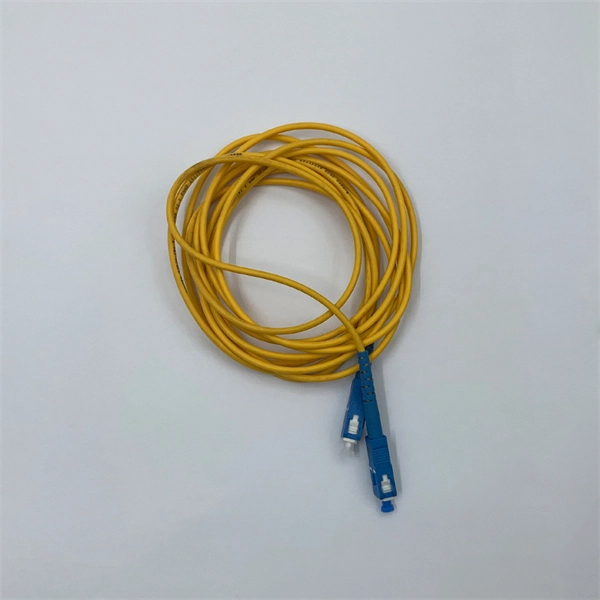
International Standards for Optical Cable Junction Boxes
Equipment illustration / verify against the selected product

Specification requirements for optical cable terminal boxes

In the international standard classification, Specification requirements for optical cable terminal boxes involves: Fibre optic communications, Electromechanical components for electronic and

GB/T 16529.1-2025 | Optical cable closures

This document specifies the classification and requirements of optical cable junction boxes, inspection rules, and describes the corresponding test methods. This document applies to fiber optic

Handbook Optical fibres, cables and systems

ITU-T has been active in the standardization of optical communications technology and the techniques for its optimal application within networks from the infancy of this industry. However, it is not always

Fiber Optic & Cable Standards Guide | FiberMania Standards

Get a complete guide to fiber optic & related products standards—from basics to advanced, covering all key details for full understanding.

13-SDMS-06 REV. 00 MATERIAL SPECIFICATION FOR PASSIVE

This document specifies the minimum technical requirements for design, engineering, construction, manufacture, inspection, testing and performance of the passive components used to manage the

Complete List of ISO/IEC Fiber Optic Cable Standards for Importers

You need the right fiber optic cable Standards paperwork. We have seen containers stuck at customs and projects rejected by site inspectors simply because the cable jacket lacked a specific IEC code

YD/T 814.1-2025: (Optical Cable Junction Boxes (PDF English)

This standard specifies the classification and naming, requirements, test methods, inspection rules, marking, packaging, transportation, and storage of outdoor optical fiber splice boxes.

IEC Standard For Junction Box : Electrical Engineering Hub

Ensure full compliance with IEC standard for junction box by understanding design requirements, safety guidelines, material selection, and installation best practices. This guide helps

The Fiber Optic Association

Standards for premises cabling are described in the FOA Reference Guide to Premises Cabling. More detailed information can be found on the FOA Online Reference Guide.

Understanding Fiber Optic Junction Boxes: A

8. Conclusion In conclusion, fiber optic junction boxes are indispensable components in modern communication networks. Whether you''re

Terminal and Junction Boxes (Ex e, Ex i, Ex op)

Pepperl+Fuchs offers a comprehensive range of terminal boxes and junction boxes in types of protection Ex e (increased safety), Ex ia (intrinsic safety), Ex tb (dust protection by enclosure), and Ex op pr

Full text of "NEW"

Full text of "NEW" See other formats Word . the, > < br to of and a : " in you that i it he is was for - with ) on ( ? his as this ; be at but not have had from will are they -- ! all by if him one your or up her there

How to Choose the Right Optical Junction Box?

4. Check for Compliance and Standards Ensure that the optical junction box you choose complies with relevant industry standards and certifications. This can include compliance with local regulations and

Guidance Notes on Recommended Specifications of Junction Box and Cable

Foreword These Guidance Notes provide ABS recommendations for the design and construction of cable trays and junction boxes. These Guidance Notes are applicable to fixed and floating offshore

Fiber-Optic Splice Boxes|Products|NITTO KOGYO

Fiber-Optic Splice Boxes Splice boxes keep joints of fiber-optic cables safe from external stress and manage excess cable lengths. They are also referred to as

Fiber Termination Box 2025 Guide for IP65 and IP68 Ratings

Compare fiber termination box types for IP65 and IP68 ratings in 2025. Find the best options for indoor, outdoor, and harsh environments with updated standards.

Mounting and installation information for junction boxes

Introduction Junction boxes are used to connect cables and can be mounted in all kinds of areas. With regard to the ambient conditions, several factors and standardised specifica-tions must be taken into

GB/T 16529.1-2025 | Optical cable closures

GB/T 16529.1-2025 | Optical cable closures - Part 1: Generic specification ICS 33.180.20 CCSM42 National Standards of the People''s Republic of China Partially replaces GB/T 16529.2-1997

Make the connection clear

Share the fiber interfaces, termination capacity, cable route and evidence required for handover.

Send a project brief