KENHARDT OPTICALNetworks across Africa Talk through a project
Fiber systems / Technical reading Optical reference library

Input Output Optical Power Meter

Inside this technical reference
Source context

AI source overview

An optical power meter (OPM) measures the power of optical signals in fiber optic systems, converting light into an electrical signal for precise monitoring and testing.

Overview

An optical power meter is a device used to measure the power or energy of an optical signal, typically in fiber optic networks or laboratory setups. It consists of a calibrated sensor, usually a photodiode or thermopile, a measuring amplifier, and a display that shows the optical power at a specific wavelength ( ). The sensor converts light into an electrical signal, which is then processed to provide accurate readings.

Calibration ensures the meter's precision by comparing it to a reference standard ( ).

Applications

Optical power meters are widely used in: Fiber optic network installation and maintenance: Verifying signal power levels to ensure proper network performance ( ). Laboratory testing: Measuring output from lasers, LEDs, or other optical sources ( ).

Industrial and OE

M applications: Monitoring optical power in production or field environments ( ). They can also be combined with a light source to form an Optical Loss Test Set (OLTS) for measuring end-to-end optical loss ( ). Types and FeaturesSingle-port and Multiport Meters: Multiport meters, like the Keysight N7744C, allow simultaneous measurement of multiple channels, ideal for testing multiplexers, PON splitters, and wavelength selective switches ( ).

USB-powered meters: Compact meters such as the Artifex OPM150 series are USB-powered, portable, and suitable for lab or field use, with software integration for automated measurements ( ). High-speed and high-sensitivity meters: Some models, like Dimension OPM modules, offer high-speed sampling (up to 10 kHz) and large data buffers for precise measurement of weak or high-power signals ( ).

Technical Considerations

Wavelength Range: Typically 800–1700 nm, depending on the sensor and application ( ). Dynamic Range: Varies from nanowatts to kilowatts, allowing measurement of both weak and strong optical signals ( ). Connectivity: Options include USB, LAN, or modular interfaces for integration with automated test setups ( ).

Calibration and Accuracy: Essential for reliable measurements; wavelength-dependent calibration ensures correct readings ( ). Sensor Types: Photodiodes for fast response and high sensitivity, thermopiles for high-power measurements ( ).

Advantages

Enables precise monitoring of optical power in fiber networks. Supports automated testing and data logging for multiport systems. Compatible with single-mode and multimode fibers, as well as free-space optical setups.

Portable options allow field deployment without external power sources ( ). SummaryInput/Output optical power meters are essential tools for measuring, monitoring, and verifying optical signals in fiber optic systems. They range from compact USB-powered devices to high-speed multiport instruments, offering flexibility for lab, field, and industrial applications.

Key features include wavelength-specific calibration, high dynamic range, and integration with software for automated testing, ensuring accurate and reliable optical power measurements ( ).

Research context

Reference summary

An optical power meter (OPM) is a device used to measure the power in an signal. The term usually refers to a device for testing average power in systems. Other general purpose light power measuring devices are usually called,, power meters (can be sensors or ), or lux meters.

A typical optical power meter consists of a, measuring and display. The sens.

Additional context

Source notes

An optical power meter (OPM) is a device used to measure the power in an signal. The term usually refers to a device for testing average power in systems. Other general purpose light power measuring devices are usually called , , power meters (can be sensors or ), or lux meters.
A typical optical power meter consists of a , measuring and display. The sens…

From reference to enquiry

Questions for your project

Use these editorial prompts alongside the linked excerpts. They identify items to confirm for your project.

Detailed reading / connection to installation

Fiber connection and distribution references
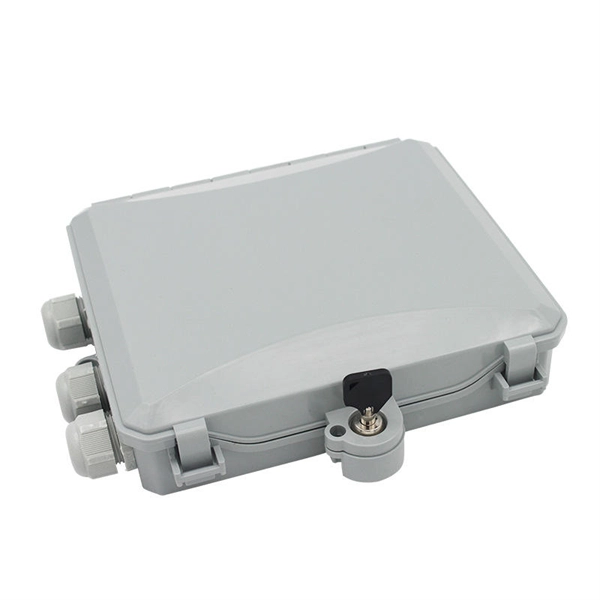
Input Output Optical Power Meter
Equipment illustration / verify against the selected product

Power Meter and Sensor Tutorial

The power meter console determines the responsivity for the input wavelength from the connected sensor and calculates the optical power from the measured

Optical power meter

OverviewSensorsPower measuring rangeCalibration and accuracyExtended sensitivity metersPulse power measurementCommon fiber optic test applicationsTest automation

An optical power meter (OPM) is a device used to measure the power in an optical signal. The term usually refers to a device for testing average power in fiber optic systems. Other general purpose light power measuring devices are usually called radiometers, photometers, laser power meters (can be photodiode sensors or thermopile laser sensors), light meters or lux meters. A typical optical power meter consists of a calibrated sensor, measuring amplifier and display. The sens

Optical Power Meter Kits

Our optical power meter kits consist of a console, a C-series photodiode or thermal power sensor, and a post mounting assembly. The sensor in each kit is paired

Optical Power Meters: N7744C | Keysight

Successor to Keysight''s popular N7744A optical power meters, the N7744C optical power meter has been further optimized for high measurement throughput when

Optical Power Meter Basics

In this white paper, we reviewed the basic principles of an optical power meter by dividing it into the analog and the digital signal flow blocks. Various measurements considerations for different types of

Optical Power Meters

Our handheld optical power and energy meters are plug and play compatible with our wide range of calibrated optical sensors for the highly accurate and repeatable optical measurements required in

Optical Power Meter

All OPM modules are compatible with ALPHA and OMEGA universal optical test platforms. Through software programming control, it can work with other Dimension functional test

Optical Power Meter OPM500

The output is a voltage linearly proportional to the input power. The OPM500 is very flexible with USB and hard-wire interface control of gain, bandwidth and polarity.

Optical Power Meters: N7742C | Keysight

Optical multiport power meter with 2 or 4 channels, analog outputs for linear or logarithmic feedback, and option to extend the wavelength range down to 800 nm. Offers fast power range switching and

The FOA Reference For Fiber Optics

Fiber optic power meters have inputs for attaching fiber optic connectors and detectors designed to capture all the light coming out of the fiber. Power meters

Smart Choice AIYIMA T9 200W Bluetooth Amplifier HiFi Digital Class

AIYIMA T9 200W Bluetooth Amplifier HiFi Digital Class D Power Amp 2.0/2.1 Channel Vacuum Tube DAC Amp with VU Meter & Bass Treble Bluetooth Coaxial Optical PC-USB inputs

Legrand AV | C2G | USB-C Docking Stations, HDMI, HDBaseT,

C2G54551 The C2G USB-C Mini Docking Station with HDMI, USB-A, Ethernet and USB-C Power Delivery connects to USB-C or Thunderbolt™ 3 and offers best-in-class video resolutions, supporting

G11 optical power meter, high-precision fiber optic detector, fiber

The G11 optical power meter is an excellent optical measurement device with many practical advantages: Functional Features: - High Precision: By utilizing advanced photoelectric conversion

The FOA Reference For Fiber Optics

A simple power meter can test sources for output and receivers for input and a visual tracer will check for fiber continuity. If the problem is in the cable plant, the OTDR is the next tool needed to locate the

Luminance

A luminance meter is a device used in photometry that can measure the luminance in a particular direction and with a particular solid angle. The simplest devices measure the luminance in a single

Ultimate Guide to Choosing the Right Fiber Optic Power

Discover how to choose the right fiber optic power meter for your needs. Learn to measure the power of optical signals in fiber optic cables with

Optical Power Meter: A Tool for Measuring Fiber Optic Power

An optical power meter is a device used to measure the power of an optical signal. It is a valuable tool for fiber optic technicians, as it can be used to measure the power of a variety of fiber optic devices,

Optical power

Optical power or loss? ("absolute" vs "relative") Practically every measurement in Fibre optics refers to optical power. The power output of a transmitter or the input to receiver are "absolute" optical power

Related Video Reference

This video was associated with the source search result. Verify technical details against current product documentation and project requirements.

Make the connection clear

Share the fiber interfaces, termination capacity, cable route and evidence required for handover.

Send a project brief