KENHARDT OPTICALNetworks across Africa Talk through a project
Fiber systems / Technical reading Optical reference library

Indoor Design Electrical Distribution Box

Inside this technical reference
Source context

AI source overview

The best way to design an indoor electrical distribution box is to combine proper material selection, modular layout, protective devices, thermal management, and compliance with IEC, NEC, or local electrical standards. Key Design Considerations1. Enclosure Material and Protection Choose a durable, non-corrosive material suitable for indoor use.

High-grade plastics like polycarbonate (PC) or acrylonitrile styrene acrylate (ASA) are ideal for residential or light industrial environments, while powder-coated or epoxy-coated steel provides extra rigidity and fire resistance for heavier loads. Ensure the enclosure has an appropriate IP or NEMA rating to protect against dust and accidental contact. 2.

Layout and Modular Design Design the box with a modular layout to allow easy installation, maintenance, and future upgrades. Include separate compartments for main isolators, circuit breakers, and busbars. Maintain clear spacing between components to prevent overheating and allow safe cable routing.

Label all circuits clearly for operational efficiency and safety. 3. Protective Devices Incorporate overcurrent protection devices (OCPDs) such as MCBs, RCCBs, or RCBOs for each circuit.

Include surge protection devices (SPDs) where necessary. Ensure devices are rated for the expected load and fault current, and coordinate them with conductor sizes to prevent thermal damage. Consider high-sensitivity 30mA RCDs for socket outlets and wet areas.

4. Thermal Management and Ventilation Provide adequate ventilation or heat dissipation features to prevent overheating of components. Use thermal management strategies such as spacing, airflow channels, or heat sinks if high loads are expected.

Avoid enclosing the box in areas with poor air circulation. 5. Installation and Accessibility Mount the distribution box at a height between 1–1.

8 meters for easy access, with 1. 3 meters recommended for elderly or handicapped users. Ensure the location is dry, well-ventilated, and easily accessible for maintenance and emergency operation.

Include grounding points and ensure proper earthing to protect users from electric shock. 6. Compliance with Standards Follow IEC 60364, BS 7671, NEC, or local codes for design, installation, and protective device selection.

Ensure all components are UL/CE-certified and meet relevant insulation, temperature, and fault current ratings. Include main isolators that disconnect all live conductors simultaneously for safety. 7.

Additional Features Consider functional enhancements such as viewing windows, indication lights for mains status, and modular slots for smart monitoring or energy management systems. These features improve operational efficiency and allow integration with home automation or industrial monitoring systems. 8.

Testing and Maintenance Before powering on, perform visual inspections and multimeter tests to verify correct wiring and grounding. Schedule regular maintenance and inspections to ensure long-term reliability and safety. By integrating these design principles, an indoor electrical distribution box will be safe, efficient, scalable, and compliant with modern electrical standards, providing reliable power distribution for residential or industrial applications.

Research context

Reference summary

How to Choose a House Distribution Box | CHINT globalA well-chosen distribution box ensures the safety and efficiency of your household electrical system.

From reference to enquiry

Questions for your project

Use these editorial prompts alongside the linked excerpts. They identify items to confirm for your project.

Detailed reading / connection to installation

Fiber connection and distribution references
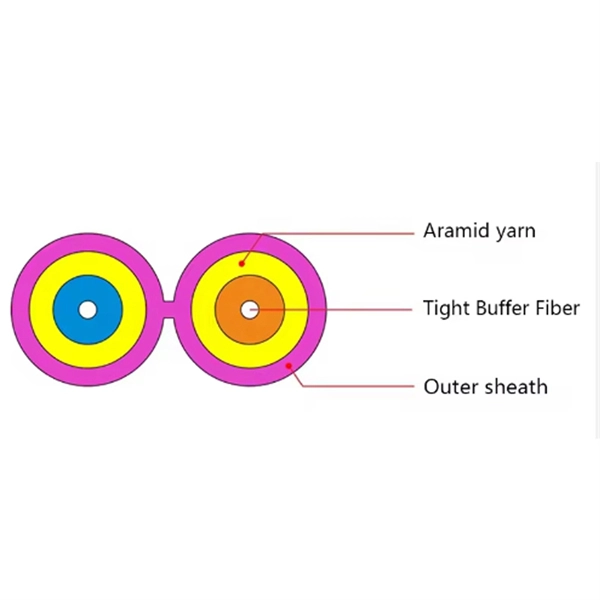
Indoor Design Electrical Distribution Box
Equipment illustration / verify against the selected product

How to Choose a House Distribution Box | CHINT global

A well-chosen distribution box ensures the safety and efficiency of your household electrical system. This article guides you through selecting a

Indoor Electrical Boxes, Compact & Safe Design

Designed with convenience in mind, our indoor distribution boxes feature mounting holes, removable knockouts for wiring, and clear installation guides to save you time and effort.

Standard indoor installation: Spelsberg

The Spelsberg electrical distribution boxes of the AK Compact series are specially designed for standard indoor installations. They offer a reliable solution when space-saving and user-friendliness matter.

Distribution Box Guide: Types, Components & Solutions

Understand distribution boxes (DB boxes) in 5 minutes. Learn about types, components, functions, and uses. Find the perfect DB box for your needs.

Distribution Box and Selection Guide: Internal Structure, Components

Learn how to choose a distribution box and understand its internal structure, including MCBs, busbars, neutral bars, earth bars, RCDs, RCBOs, SPDs, enclosure ratings, and wiring layout.

Electrical Distribution Box | Home Lighting Box | 4 Ways

Upgrade your indoor electrical setup with this elegant and compact 4-way distribution box, designed for safety, durability, and a clean look. Perfect for

Distribution Box | Electric Enclosure | Lighting | Automation

Get our durable and high-quality distribution box (Electric Enclosure) with a nice glass door and modular magnetic ducts and promote your smart home and

Indoor Electrical Enclosure Box & Cabinets

DOHO''s custom indoor electrical enclosure serves a variety of purposes. It can protect equipment, provide mounting surfaces, and it can also be used as an

DISTRIBUTION BOX

VIOX offers high-quality stainless steel distribution boxes in 201, 304, and 316 grades. From cost-effective indoor solutions to corrosion-resistant options for

Electrical Distribution Box Design Guide

The document provides details for designing the electrical distribution box and circuits for a residence. It includes specifications for the main circuit breaker such

Complete Guide For Distribution Boxes Types

Distribution boxes, also known as electrical distribution boards or panels, are pivotal components in electrical systems, ensuring the safe and organized distribution of electrical power throughout

7 typical layout designs of 11kV indoor distribution

11kV Indoor distribution substation The following layout designs of indoor distribution substation are typical only and should not be used as

5 Types of Electrical Boxes

Learn about the types of electrical boxes you can use for your home wiring project. From junction boxes to work boxes, we''ll help you choose the electrical box that fits your needs.

Customization of a complete distribution box

Learn the step-by-step process of customizing complete distribution boxes tailored to your needs. From requirement confirmation to design, production, and testing, find out how to get a

Distribution Board Design: Standards, Surge Protection & Smart

Discover the essentials of distribution board design to enhance electrical safety and efficiency in your projects. Read more in our informative blog post!

Power Distribution Boxes: A Complete Overview

Power distribution boxes, or PDUs, are essential for efficiently distributing electrical power to various equipment and devices in industrial and commercial settings.

Understanding Distribution Boxes: Your Guide to Power

What are Distribution Boxes and Their Importance? What are Distribution Boxes and Their Importance? Distribution boxes, or electrical

IEC Standard for Power Distribution Board Design and

Designing a power distribution board is not just about placing components inside a metal box. It requires a deep understanding of international

Make the connection clear

Share the fiber interfaces, termination capacity, cable route and evidence required for handover.

Send a project brief