
Fiber connection and distribution references
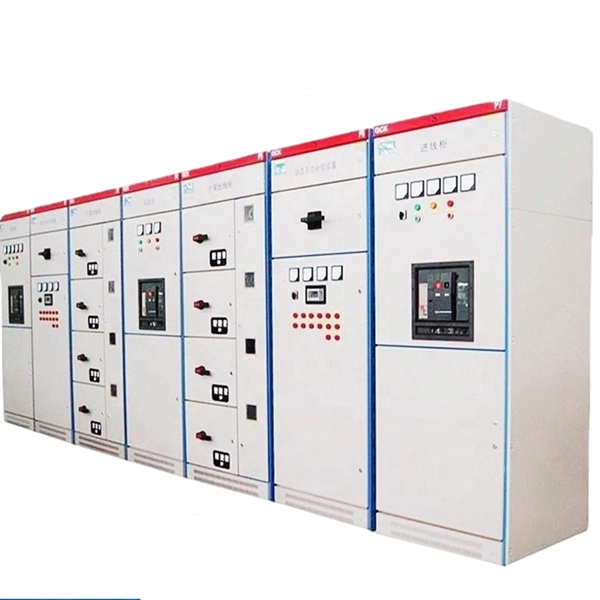
Distribution Box and Selection Guide: Internal Structure, Components
Learn how to choose a distribution box and understand its internal structure, including MCBs, busbars, neutral bars, earth bars, RCDs, RCBOs, SPDs, enclosure ratings, and wiring layout.
How to choose a distribution box of the right size for a project based
In this guide, I''ll walk you through a practical, step-by-step process to size your distribution box based on actual load current. We''ll cover everything from understanding your circuits to planning
6 key points on how to choose a distribution box
In this article, we will briefly outline the seven most important points for the choice of distribution boxes based on actual needs, professional standards, and purchasing experience, so you can make smart
Ultimate Guide To Distribution Boxes Db Boxes Types
This ultimate guide explains what a distribution box does, its internal components, common types, real-world applications, and how to select the right DB Box for
First Class Tips About How Do I Choose A Distribution Box
Whatever the case, choosing the right distribution box is key to safety, efficiency, and a future free from electrical gremlins. But where do you even begin? Let''s dive in! First things first, forget the hardware
How to Select the Right Cable Distribution Box for Your Project
This article will guide you on how to choose a cable distribution box. key steps, covering definitions, types, and practical selection criteria, to help you choose the right distribution box for your
How to Choose the Right Distribution Box for Your Electrical Needs
Distribution Box Selection Criteria This bar chart illustrates the key criteria for selecting the right distribution box based on various features such as rated current, number of circuits, ingress
Choosing a suitable distribution box and what should be noted
Many experts say you should follow these steps: Make clear goals for your project. Look at your site and the wiring you have now. Plan your design to be safe and work well. Choose equipment that fits your
Distribution Box: Key Functions, Components, and Selection Tips
Learn everything about the Distribution Box, its key components, and how to choose the right one. Explore our quality products and upgrade your electrical system today!
TECHNICAL SPECIFICATION FOR LT DISTRIBUTION BOX
General Technical Particulars for LT Distribution Boxes : - The L.T. Distribution Boxes should be of the dimensions as per the drawing & details in the table furnished. approved clearances and technical
DRAFT SPECIFICATION FOR L. T. DISTRIBUTION BOX OF
DRAFT SPECIFICATION FOR L. T. DISTRIBUTION BOX OF DISTRIBUTION TRANSFORMER (DTR) OF DIFFERENT RATINGS WITH INCOMING PORCELAIN REWIREABLE FUSE UNIT AND
Distribution boards components
Distribution boards (generally only one in residential premises) usually include the meter (s) and in some cases (notably where the supply utilities impose a TT earthing system and/or tariff
Distribution Box – Astryd Power Pvt. Ltd.
This specification covers the design, manufacture, testing at works, and supply of Distribution Boxes made out of CRCA MS (cold-rolled close annealed mild steel).
Outdoor Electrical Distribution Box Specifications: NEC
Complete specification guide for outdoor electrical distribution boxes covering NEC Article 312 requirements, NEMA ratings, sizing calculations, and
Size determination, installation method and wiring mode of distribution
The distribution box is the central hub of the home circuit and the general control of our daily power consumption. It is an indispensable electrical equipment. If there are some potential safety hazards,
A Complete Guide to Distribution Boards
Read this comprehensive buyer''s guide on distribution boards, explaining what they are, their uses, types, how to connect distribution boards, and more.
DISTRIBUTION BOX
Technical Specification for Distribution Box (DB)- Accessory for LT AB Cables 1. SCOPE 1.1 This Distribution Box (DB) should be made up of Weather & Moisture Proof Outer box with Spring loaded
Electrical Control Panels & Distribution Boxes: Sizes, Types, and
Introduction Electrical control panels and distribution boxes are the backbone of modern electrical systems. From powering homes and industrial facilities to supporting medium-voltage
Related Video Reference
This video was associated with the source search result. Verify technical details against current product documentation and project requirements.