
Fiber connection and distribution references
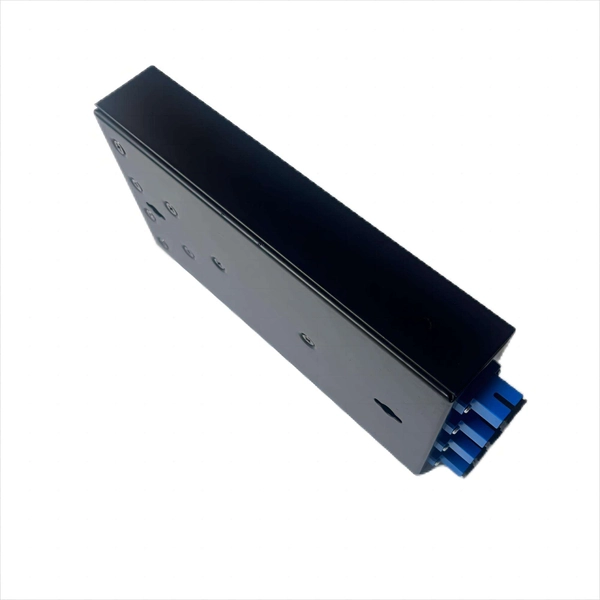
Cable Tray Installation
Learn everything about cable tray installation with our complete guide. Discover types, steps, and safety tips for efficient electrical cable management.
Cable Tray Systems: A Complete Guide to Types
Discover the essential guide to cable tray systems. Learn about ladder, trough, and wire mesh types, key components, and expert installation tips
Cable Tray Layout & Section (Electrical) | PMG
Explore the essentials of cable tray layout and section design in electrical systems, ensuring optimal cable management and support.
Cable Tray Technical Guide A practical guide to product selection and
In designing supports for a cable tray system, consideration should be given to the loads associated with future cable additions and any additional loading that may be applied to the cable tray system (e.g.,
7 Types of Cable Trays: How to Choose the Right One
Selecting the correct cable tray type is not arbitrary—it depends on a combination of cable characteristics, environmental conditions, and installation requirements.
Complete cable tray manual for electrical engineers and designers
How to design cable tray? Most projects are roughly defined at the start of cable tray design. For projects that are not 100 percent defined before design start, the cost of and time used in
A Guide to Installing and Supporting Electrical Cable Trays
This guide covers the critical steps, from selecting the right electrical cable tray and performing accurate cable fill calculations to managing a safe cable pull through
Core Principles for Electrical and Instrumentation Cable Tray Layouts
Straightforward Pathways: Cable trays should follow the shortest practical route between equipment, minimizing the need for unnecessary bends and junctions. Reducing cable length decreases material
Wiring in Cable Trays: Your Guide to Tidy and Safe
Learn essential principles for wiring in cable trays. Our guide covers segregation, fill, bending, grounding, and labeling for safe, tidy, and reliable cable
Cable tray
Cable tray ABB designs and manufactures cable tray systems, including perforated tray, cable ladder, channel tray and strut (metal framing), directly from production facilities in Canada and Saudi Arabia.
Mastering Cable Tray Installation | Step-by-Step Guide for a Seamless
Learn how to install cable trays correctly. Get the ultimate step-by-step guide on setting up a seamless and reliable cable management system.
Best Practices for Installing Cables in Trays
Learn the best practices for installing cables in trays. This guide covers essential steps, technical requirements, and key details for efficient cable
Typical Design Philosophy of Cable Trays for Power Plant
Cable tray system shall be used for laying of MV and LV power, control, instrumentation and special cables in the Power Plant. Cable trays shall be supported on cantilever brackets at
Core Principles for Electrical and Instrumentation Cable Tray Layouts
In industrial settings, electrical and instrumentation (E&I) cable trays or bridge racks play a critical role in organizing and supporting power, control, and signal cables across facilities. An effective layout
Cable Tray Dimensions and Specifications as per NEC
Cable tray systems are an alternative to wire ways & electrical conduit, which entirely protect wires. Many different types of wire can be accommodated in cable trays, including High
Cable Tray Systems Explained: The Right Solution for
Discover cable tray systems, including tray types, sizes, duty ratings and materials, and learn how to choose the right solution for safe cable management.
CABLE TRAY SYSTEMS GUIDE
The total load supported by the cable tray, uniformly distributed. This will be the combined weight of all of the cables or tray contents, any environmental loads (snow, ice, dust) and any concentrated static
Avoiding Mistakes in Instrumentation Cable Tray
Learn how to avoid common mistakes in instrumentation cable tray installation. Follow IEC standards and EPC best practices for safe, reliable
Related Video Reference
This video was associated with the source search result. Verify technical details against current product documentation and project requirements.