
Fiber connection and distribution references
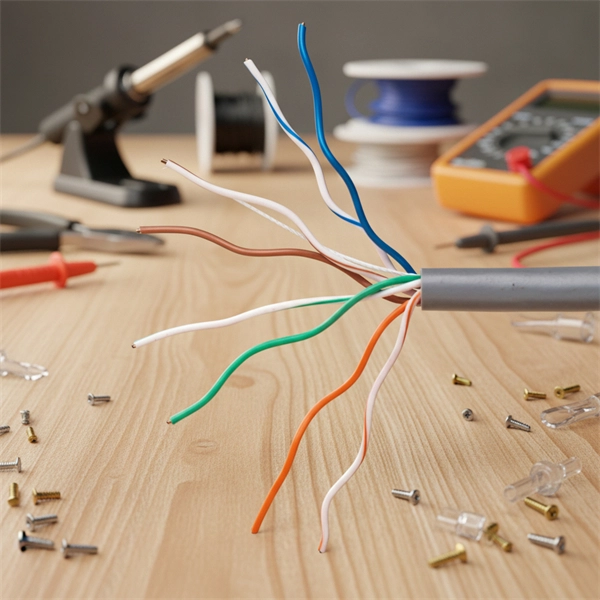
How to Join Two Fiber Optic Cables? A Complete Guide for Stable
This guide explains the main methods of joining fiber optic cables, the required tools, and how accessories such as Fiber Optic Cable Clamps (including drop cable clamps, anchor clamps, S
A Practical Guide to Fiber Optic Cable Splicing Methods
While this guide provides a solid overview of fiber optic cable splicing, the successful execution of these methods requires extensive training, hands-on experience, and a significant
How to Splice Fiber Optic Cable – Step-by-Step Fusion
Learn how to splice fiber optic cable using fusion splicing with this complete step-by-step guide. Includes tools, best practices, loss standards (ITU
Join Two Fibers: Splicing, Coupler, Splice | Elfcam
Need to extend, repair or join two fibre optic cables? There are three main methods, each with its own advantages and limitations. This article explains when and how to use each one — from
Preparing your Fiber Optic Cable for Connectors or Splices
In this guide, we''ll walk you through the entire process of preparing fiber optic cable for splicing and termination to fiber connectors. We''ll explore the
The FOA Reference For Fiber Optics
Testing The Installed Fiber Optic Cable Plant - 5 Standard Ways Abstract: We often are asked questions about testing installed fiber optic cables that indicate the
The FOA Reference For Fiber Optics
Passive loss is made up of fiber loss, connector loss, and splice loss. Don''t forget any couplers or splitters in the link. If the specifications for a type of system or network are not known, industry
How does fiber optics work?
An easy-to-understand introduction to fiber optics (fibre optics), the different kinds of fiber optic cables, and how light travels down them.
Fiber Optic Cable
Belden''s extensive line of indoor and outdoor cable products is offered in tight buffer and loose tube designs. Learn more about each fiber cable Belden has to offer.
PDF document
PDF document PDF document Read this PDF document online, download the original file, and browse related details on device.report. Additional coding instructions can be found in the Article File chapter
Everything you need to know about fiber optic termination
Fiber Optic Termination Tutorial We terminate fiber optic cable two ways - with connectors that can mate two fibers to create a temporary joint and/or connect the fiber to a piece of network gear or with
The FOA Reference For Fiber Optics
The Role of Fiber Optics In Premises Networks While UTP copper has dominated premises cabling, fiber optics has become increasingly popular as computer network speeds have risen to the gigabit
Industrial Fiber Optics
Industrial Fiber Optics is a world leader in manufacturing polymer and large-core silica optical fiber cable assemblies. We specialize in providing leading edge
Markertek: Video Cameras, Intercom, Wireless Mics, Cable, Connector
Experience one-on-one customer service from an account specialist who understands the specific needs of your industry! The Markertek in-house custom shop is ready to produce fiber & copper cables,
OM1 vs OM2 vs OM3 vs OM4 vs OM5 Multimode Fiber Guide
Compare OM1, OM2, OM3, OM4, and OM5 multimode fiber specs, distances, bandwidth, and applications. Essential guide for data center fiber selection.
Fiber Optic Cable Splicing: A Comprehensive Guide
This fiber optic splicing technique involves the precise alignment of two fiber optic cables, held in place by a self-contained assembly rather than a permanent bond.
The FOA Reference For Fiber Optics-Installing Fiber Optic Cable
Drop cables are often only 2-12 fibers, meaning most fibers are continuing straight through the drop point. Midspan access involves opening the cable by removing the jacket and strength members,
Fiber Optic Cable Termination Guide | Fusion & Mechanical
Learn fiber optic cable termination methods including fusion splicing and mechanical connectors, tools, steps, and best practices for low-loss networks.
Related Video Reference
This video was associated with the source search result. Verify technical details against current product documentation and project requirements.