
Fiber connection and distribution references
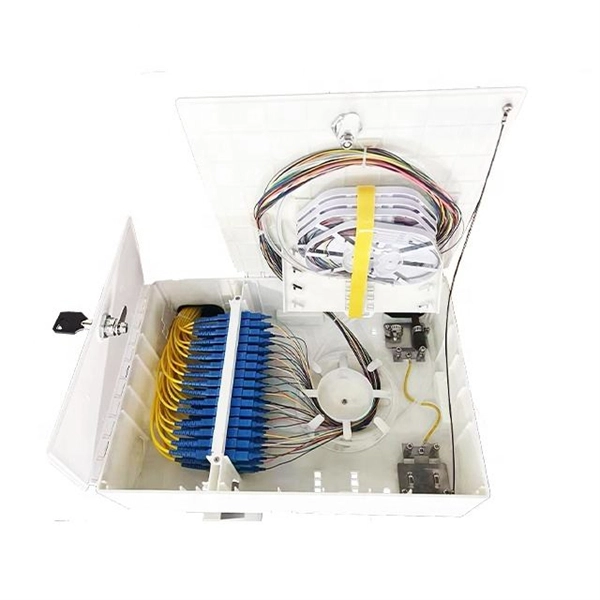
How to Splice Fiber Optic Pigtails: A Step-by-Step Guide
Master the art of fiber termination. Learn how to splice fiber optic pigtails using fusion splicing, follow the color code, and ensure low insertion loss.
How to Install Fiber Optic Pigtails (Step-by-Step Guide)
Remove the outer coating carefully to expose the fiber. Use alcohol wipes to remove dust and debris. Make a precise cut for optimal splicing. Align and fuse the pigtail fiber with the main
How to connect a dual-core fiber optic cable to a pigtail
How to connect a dual-core fiber optic cable to a pigtail This article will guide you through the necessary tools, materials, and methods on how to connect fiber optic cables effectively, ensuring you achieve
How To Terminate Fiber Optic Cable: Connectors & Splicing
Learn how to terminate fiber optic cable using mechanical connectors or fusion splicing. We cover the tools, cleaning, and testing for low-loss connections.
Fiber Optic Pigtail Introduction and Installation Guide
Fiber optic pigtails provide an optimal solution for joining optical fibers, particularly in 99% of single-mode applications. This post will cover
Preparing your Fiber Optic Cable for Connectors or Splices
Learn the essential steps and tools for preparing fiber optic cables for connectors or splices. Master mechanical and fusion splicing techniques to
What Is Fiber Optic Pigtail and How to Splice It?
SC Fiber Optic Pigtail: SC pigtail cable connector is a non-optical disconnect connector with a 2.5mm pre-radiused zirconia or stainless alloy ferrule. SC fiber pigtail is economical for use in applications
Fiber Optic Pigtail: What Is It and How to Splice It?
Fiber optic pigtails are essential components in fiber optic installations, used to connect fiber optic cables to devices or equipment. They provide a
The Complete Guide to Pigtail Fibers: Simplifying Optical Connectivity
A pigtail fiber is a short, pre-terminated optical cable with a connector on one end and a bare fiber on the other. Think of it as a “tail” that links a device (e.g., a transceiver, sensor, or
Fiber Optic Pigtail: The Complete Guide to Types,
Confused about fiber optic pigtails—which connector type, which polish, fusion or mechanical splice? Our guide covers LC vs SC, APC vs UPC,
Fiber Optic Pigtails: Uses & Differences from Patch Cords
Understand fiber optic pigtails — definition, types, and how they differ from patch cords. Learn why pigtails ensure reliable, low-loss fiber terminations.
Fiber Optic Pigtail: What Is It and How to Classify It?
In fiber optic cable installation, how cables are attached to the system is vital to the success of network. If done properly, optical signals would
How to Splice fiber pigtails?
SC Fiber Optic Pigtail: SC pigtail cable connector is a non-optical disconnect connector with a 2.5mm pre-radiused zirconia or stainless alloy ferrule. SC fiber pigtail is economical for use in applications
Understanding Fiber Pigtail Connectors: Types, Installation, Advantages
Understanding Fiber Pigtail Connectors Types of Fiber Pigtail Connectors Fiber pigtail connectors are essential components of network installations, providing reliable connections for
Fiber Optic Pigtail: Types, Splicing Guide, Specs & Price
Fiber optic pigtail guide : SC/APC & LC/UPC connectors, 0.9/2.0/3.0 mm buffers, single-mode and multimode types, fusion splicing steps, price ranges, specifications, and how to
Optical Fiber
Optic Fiber cleaving, and mechanical splicing through very simple processes in this short series of videos. Thank you for supporting us by viewing our conten...
"Fiber Splicing Pigtails | Step-by-Step Guide for Beginners"
🎥 Fiber Splicing Pigtails | Complete Step-by-Step Tutorial for Beginners and Technicians Welcome to our channel! In this detailed video, we''ll walk you through the fiber optic pigtail splici
Pigtails ease fiber termination
Pigtails bridge a critical junction in the fiber-optic network, so installers need to choose products made with reliable components. Because they are basically cable assemblies, pigtails use many of the
Related Video Reference
This video was associated with the source search result. Verify technical details against current product documentation and project requirements.