
Fiber connection and distribution references
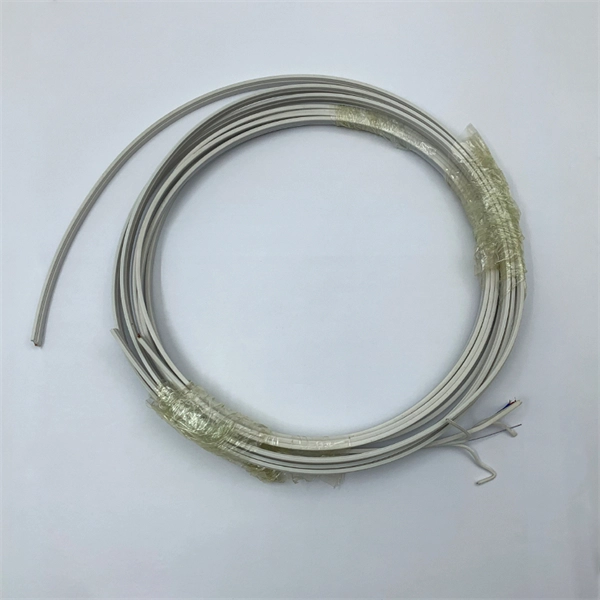
Fiber Optic Cable Distance: A Comprehensive Guide
Learn all about fiber optic cable distance and the key factors that affect it. Find out how to select the appropriate cables for your network and
101 Guidelines for Fiber Optic Cable Installation
In this guide, we''ll explore how fiber optic cables function, the maximum distances for different types of fiber optics, and tips for optimizing signal transmission over long distances.
How Far Can Fiber Optic Cable Be Run? Distance Limits Explained
Single-mode fiber (SMF) supports distances up to 40-100+ kilometers for standard applications, while multimode fiber (MMF) is typically limited to 300 meters to 2 kilometers. The
FOA Standard For Installing Fiber Optic Cable Plants
Since building systems may require many types of cables, both fiber and copper, these cables should be separated to protect the fiber cables from damage and all cables marked properly.
Duct Installation of Fiber Optic Cable
Fiber optic cable should not be coiled in a continuous direction except for lengths of 100 ft (30 m) or less. The preferred size for the figure-eight coil is about 15 ft (4.5 m) in length, with each loop 5 ft (1.5 m)
General Optical Fiber Cable Installation Considerations
Some key considerations for installing optical fiber cable are highlighted below. Failure to follow these guidelines may result in damage or attenuation increases of the optical fiber or cable.
How Far Can You Pull Fiber Optic Cable?
This article explores the factors that influence the pulling distance of fiber optic cables, guidelines for safe installation, and best practices to ensure optimal cable performance.
Indoor and Outdoor Fiber Optic Cable Installation: Key Considerations
This guide explores different types of fiber optic cable, including indoor fiber optic cable and outdoor fiber optic cable, and outlines best practices for installation in different settings.
Standard for Installing and Testing Fiber Optics
Although most fiber optic cables are not conductive, any metallic hardware used in fiber optic cabling systems (such as wall-mounted termination boxes, racks, and patch panels) must be grounded.
Fiber Patch Panels: A Beginner''s Guide | RLH
Fiber optic patch panels are enclosures that act as a distribution hub for fiber cable. A bulk (multi-strand) fiber cable enters the patch panel and then each fiber
NYT Connections archive
Every NYT Connections puzzle ever published is listed here, organised by date, with all four category groups and their sixteen words. The NYT only offers the current day''s puzzle for free,
What is Air Blown Fibre? – Wray Castle
Fibre optic networks form the backbone of modern telecommunications, but how that fibre gets from point A to point B matters just as much as the fibre itself. Traditional methods involve
Fiber Optic Wavelengths Explained: 850 vs 1310 vs 1550 nm
Light in optical fiber travels in the near-infrared region, far beyond visible light, and choosing the right transmission wavelengths is fundamental for minimizing loss and maximizing
The FOA Reference For Fiber Optics
Outside Plant Fiber Optic Cable Jump To: Fiber Optic Cable Construction Fiber Optic Cable Types Cable Design Criteria Choosing Cables Cable Types: (L>R):
211 likes, 13 comments - freishia on July 8, 2026: "Look up in Mumbai and chances are you won''t see much sky you''ll see a web of cables. As the city continues to grow, every new internet connection,
Recommendation ITU-T G Suppl. 47 (03/2025)
It covers the environmental and length-related characteristic of ITU-T G.65x-series optical fibres and cables. The fibre material-related characteristics are also described in Appendix I. Version 3 of this
The FOA Reference For Fiber Optics-Installing Fiber Optic Cable
When used, cable ties should be hand tightened to be snug but loose enough to be moved along the cable by hand. Then the excess length of the tie should be cut off to prevent future tightening. Hook
General Optical Fiber Cable Installation Considerations
General Optical Fiber Cable Installation Considerations Some key considerations for installing optical fiber cable are highlighted below. Failure to follow these guidelines may result in damage or