
Fiber connection and distribution references
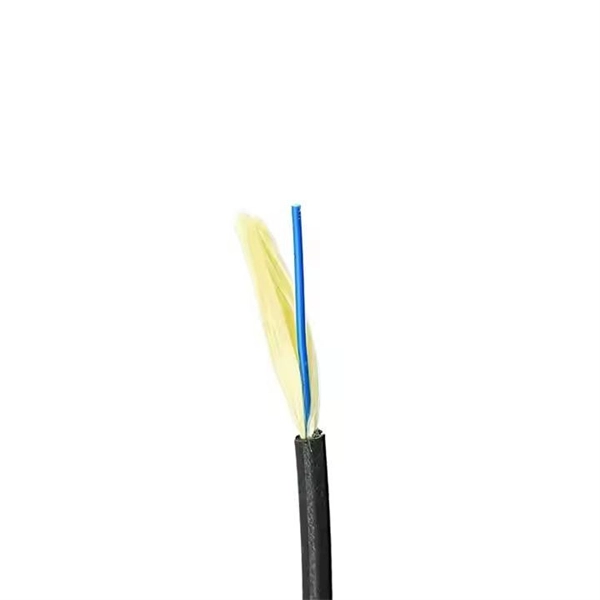
Best Practices for Fiber Optic Patch Cable Lengths
Selecting the appropriate cable length for fiber optic patch cables is crucial for maintaining optimal network performance. Incorrect cable lengths can lead to signal attenuation,
Network Cable Maximum Lengths: Ethernet, Coaxial, and Fiber Optic
This guide dives deep into the maximum length constraints of the three most common network cables—Ethernet, coaxial, and fiber optic—explaining why these limits exist, how they vary
Fiber Patch Cable Length
The minimum fiber patch cable length is 1 m for both single-mode and polarization-maintaining fibers. Since there can be issues with even shorter fiber cables we recommend only using fibers with that
How to Plan Fiber Optic Patch Cord Lengths Correctly
Learn how to calculate fiber patch cord lengths with accuracy. Ensure optimal performance, slack management, and future scalability.
How far can a fiber optic patch cord transmit data?
For a 100-meter distance, signal dissipation or loss in a fiber optic patch cord is practically negligible for most sensing and data communication applications. To give you a technical
Attenuation and OTDR Event Dead Zones Explained
The fiber network has a 1 meter patch cord in the middle of two longer lengths. The user expects the OTDR to locate and identify the 1 meter patch cord and possibly make loss and
Fiber Optic Cable vs Patch Cord vs Pigtail – Complete Guide
Understand the differences between fiber optic cables, patch cords, and pigtails. Learn standards, applications, and how to choose the right fiber solution
Fiber Insertion Loss and Return Loss: A Complete Guide
When using fiber patch cords, avoid applying any undue pressure to the fiber jumper connectors, do not bend the fiber beyond its maximum bending radius, and minimize bending,
What Fiber Optic Cable Length Do You Need: 1m, 5m, 10m, or
Learn how to choose the right fiber optic cable length for your network. Compare 1m, 5m, 10m, and custom fiber optic cables with practical selection tips and deployment scenarios.
A Guide to Patch Cord Management for Fiber Optic
Did you know that managing patch cords fiber optic solutions can be divided into four parts In this blog James Donovan explains those parts and
Tips for Using and Maintaining Fiber Patch Cables
Using guide and precautions about using and taking care of fiber patch cables in this post include important points such as safety attentions, fiber patch cord cleaning, and fiber cable placing.
Best Practices for Fiber Optic Patch Cable Lengths
Explore the optimal cable length for data transmission, cable length limitations, and patch cable length selection. Follow industry standards and guidelines for reliable fiber optic networks.
The FOA Reference For Fiber Optics
After fiber optic cables are installed, spliced and terminated, they must be tested. For every fiber optic cable plant, you need to test for continuity and polarity, end-to-end insertion loss and then
Performing Fiber-Optic Cable Attenuation Measurements: A Tutorial
Measuring attenuation in a fiber-optic cable is a vital ingredient to obtaining the maximum performance from a system designs. But, for designers, just starting to work in the fiber-optic design
Effective Patch Cord Management Guide
Effectively patch cord management can reduce overall operational cost of your fiber optic network. Enhancing its reliability and flexibility.
Understanding Fiber Optic Signal Loss & Attenuation
Learn about fiber optic signal loss, its causes, measurement techniques, and strategies to reduce attenuation for high-speed, reliable network performance.
The FOA Reference For Fiber Optics
Optical Fiber Testing - Loss and Attenuation Coefficient For optical fiber, testing includes fiber geometry, attenuation and bandwidth. The most fundamental
Fiber Attenuation
As mentioned above, fiber dispersions limit the performance of optical communication systems by broadening optical pulses as they travel along a fiber. Fiber attenuation represents another limiting
Related Video Reference
This video was associated with the source search result. Verify technical details against current product documentation and project requirements.