KENHARDT OPTICALNetworks across Africa Talk through a project
Fiber systems / Technical reading Optical reference library

High-voltage underground optical cable

Inside this technical reference
Source context

AI source overview

High-voltage underground optical cables combine robust electrical insulation with integrated fiber optics for monitoring and control, enabling reliable, space-efficient, and environmentally sensitive power transmission. OverviewHigh-voltage underground cables are designed to transmit electricity at voltages typically above 150 kV, either as AC or DC, while being buried underground or installed in tunnels. Unlike overhead lines, these cables require robust insulation to withstand high voltages and prevent electrical faults, as air cannot serve as insulation underground.

Common insulation types include XLPE (cross-linked polyethylene) and gas-insulated systems, sometimes with water or nitrogen cooling for heat management.

Fiber Optic Integration

Modern high-voltage underground cables often incorporate optical fibers within the cable structure. These fibers are used for: Temperature monitoring along the cable lengthAmpacity control to optimize current-carrying capacityFault detection and diagnostics This integration allows real-time monitoring of cable performance, enhancing reliability and reducing maintenance costs.

Construction and Components

A typical high-voltage underground optical cable includes: Conductors: Copper or aluminum, sized for the required currentInsulation layers: XLPE or other high-dielectric materialsEarth screens and metallic shields: To manage electromagnetic fieldsMoisture-blocking seals: To prevent water ingressFire-resistant outer jackets: For safety in urban or sensitive areasEmbedded optical fibers: For monitoring and control Installation MethodsCables can be installed using several methods depending on terrain and project requirements: Trench installation: Multiple cables may be laid in parallel trenches to match thermal performance of overhead lines, sometimes requiring widths up to 65 meters for 400 kV double circuits Duct banks: Protective conduits for urban or constrained areasDeep bore tunnels: For long-distance or environmentally sensitive routesSubmarine routes: For undersea transmission Cooling methods, such as water or gas insulation, may be applied to manage heat generated by high currents.

AdvantagesHigh-voltage underground optical cables offer several benefits: Reduced visual impact and minimal disruption to landscapesEnhanced reliability in urban or environmentally sensitive areasImproved grid resilience and integration with renewable energy sourcesReal-time monitoring via embedded fiber optics for proactive maintenance ApplicationsThese cables are widely used in: Urban power transmission where overhead lines are impracticalCrossings of rivers or environmentally protected areasIntegration with substations, battery energy storage systems, and renewable energy projectsLong-distance underground or submarine high-voltage transmission projects SummaryHigh-voltage underground optical cables represent a modern solution for reliable, efficient, and environmentally sensitive power transmission.

By combining robust electrical insulation with embedded fiber optics, they allow utilities to monitor performance, optimize capacity, and maintain grid stability while minimizing visual and ecological impact. Their design, installation, and operational strategies are tailored to meet the specific technical, regulatory, and environmental requirements of each project.

Research context

Reference summary

HIGH VOLTAGE CABLESWe offer tailored solutions across all voltage classes, including innovative designs for optical fiber integration and asset monitoring.

From reference to enquiry

Questions for your project

Use these editorial prompts alongside the linked excerpts. They identify items to confirm for your project.

Detailed reading / connection to installation

Fiber connection and distribution references
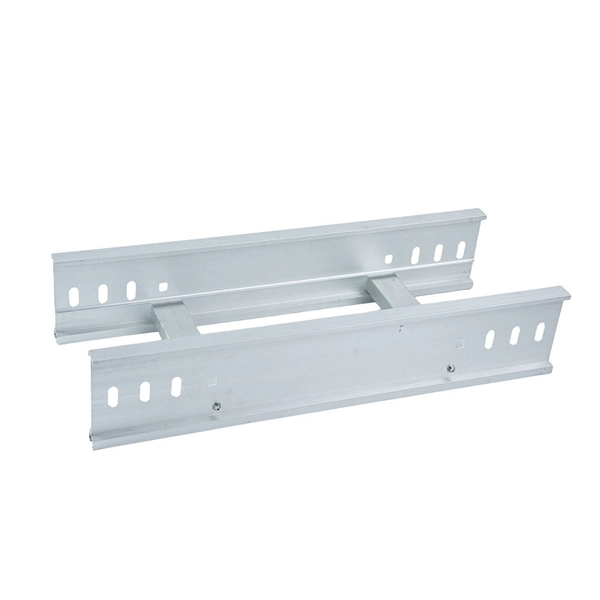
High-voltage underground optical cable
Equipment illustration / verify against the selected product

HIGH VOLTAGE CABLES

We offer tailored solutions across all voltage classes, including innovative designs for optical fiber integration and asset monitoring systems, reflecting our commitment to sustainability and innovation.

Undergrounding high voltage electricity transmission lines

undergrounding cables is the reduction in visual impact. In certain areas, such as protected landscapes, this benefit could be a primary consideration and outweigh disadvantages of undergrounding such as

HV and Submarine Power Transmission | Prysmian

Our Research and Development labs have created a submarine cable with new synthetic armour which can be up to 50% lighter than others, enabling Prysmian

High Voltage Underground and Submarine Cables

In all these projects, our HV underground and submarine cable experts bring reliability and stability to the modern-day power grid, ensuring our clients'' long-term success.

Understanding High Voltage Underground Cables: Design and

This comprehensive guide provides insights for professionals in the energy sector and highlights the importance of these cables in supporting growing energy demands while enhancing

Welcome to Escisa

We also supply high voltage cables with optical fibers for temperature monitoring and control of ampacity. Together with our wide range of services, ESCISA can

The basics of high voltage cables for underground energy

Underground cables are installed in trenches of rectangular cross-section. After excavation of the trench, a layer of sand is placed in it to serve as a bedding, as shown in Figure 1.

High-voltage onshore AC cables

High Voltage alternating current (HVAC) onshore cable systems replace conventional overhead lines and enable installations in challenging environments. Underground cable installations offer hidden

High Voltage Cable | HV Cable to 132kV | Eland Cables

We provide HV cable solutions for underground power distribution designed to be application-led and project specific. Requirements may include unusual quantities or lengths, short production lead

Industrial Cables Market Size, Share and Forecast,

Industrial Cables Market size is estimated to be valued at USD 132.37 Bn in 2026 and is expected to expand at a CAGR of 3.0%, reaching USD 162.79

High Voltage Underground Cable Splicing jobs

297 High Voltage Underground Cable Splicing jobs available on Indeed . Apply to Fiber Technician, Splicer, Cable Installer and more!

What is Aerial Fiber Optic Cable and Types

What is Aerial Fiber Optic Cable? Aerial fiber optic cable is a type of optical fiber transmission cable used for aerial deployment, suspended on

How to Protect Fiber Optic Cable Outside: A Complete

Fiber optic cables enable high-speed, long-distance data transfer, forming the backbone of modern communication. Yet, outdoors, they face

Underground Transmission Cable Market in the world | Report

World Underground Transmission Cable Market 2026 Analysis and Forecast to 2035 Executive Summary Key Findings World demand for underground transmission cable is projected to

12/24/48 Core ADSS Optical Fiber Cable

Explore everything about ADSS fiber optic cables including the full form, core types (12/24/48 core), major brands, specifications, span length, sheath materials, and installation accessories.

Underground Transmission Cable Market Forecast to 2035: Growth

The shift toward XLPE insulation at extra-high-voltage ratings will continue, with premium XLPE cable''s share of world underground transmission cable demand projected to exceed 60% by

Outdoor Fiber Optic Cable Types Compared: ADSS,

OPGW — Optical Ground Wire OPGW serves dual duty: it is simultaneously the ground/shield wire for a high-voltage transmission line and a fiber optic

High Voltage Cable Engineer – Underground and Submarine cable

Publicado: 14:09:51. Job DescriptionHigh Voltage Cable Engineer – Underground and Submarine cableMadrid or BarcelonaDoVe este y otros empleos similares en LinkedIn.

Related Video Reference

This video was associated with the source search result. Verify technical details against current product documentation and project requirements.

Make the connection clear

Share the fiber interfaces, termination capacity, cable route and evidence required for handover.

Send a project brief