
Fiber connection and distribution references
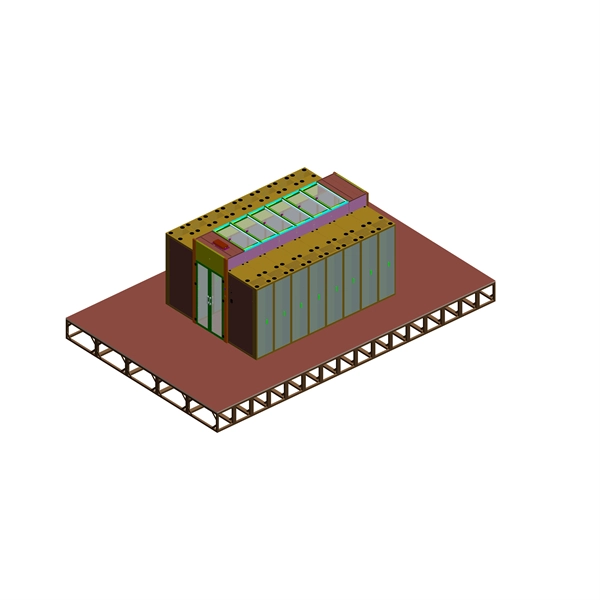
Busbar Design in Switchgear: Key Principles & Best
What standards or regulations should busbar designs follow? Busbar systems in switchgear usually must comply with relevant electrical standards
Busbar Design for High-Power DC Systems
Design busbars for equal current sharing, low voltage drop, and scalability. Includes sizing, material selection, and thermal considerations.
High Voltage Switchboard Busbar Design Basics
What standards usually apply to high voltage switchboard busbars? Designers often follow IEC 62271 for high voltage switchgear and related standards for insulation, temperature rise, and short-circuit
Busbars and Connectors in HV and EHV installations
More economical to use and easier to install, particularly for the higher current ratings, where multiple single core cables are used to achieve the current rating
Busbars Installation and Acceptance Standards | MachineMFG
This article details the comprehensive standards for installing and inspecting busbars, including support brackets, insulators, and bus duct systems. You''ll learn essential guidelines and
Busbar Standards: Design, Installation & IEC 61439
This guide covers busbar design standards, installation engineering practices, and IEC 61439 requirements, while comparing copper and aluminum options for sizing and selection.
IEC COPPER EDITION
It is manufactured in a certified management system environment where Quality BS EN ISO 9001:2008, Safety OHSAS 18001:2007 and Environmental IS0 140001 standards are applied to all aspects of the
Copper Busbar Connections Explained: Torque Control, Contact
This guide explains how proper busbar torque specification, contact resistance, and international standards ensure safe, efficient performance in modern electrical enclosures—with
Appendix D: Bus Bar System
The table, in addition to giving specifications regarding the maximum thickness of the busbar, the maximum current and the maximum nominal voltage, distinguishes between busbars
TPEL2691668
Abstract—This paper presents a comprehensive analysis about bus bar design procedure. Some applications in terms of rated power and shape are investigated regarding their particular
Busbar Installation
Requirements for busbars and busbar connections which are components of a.c. high voltage electrical systems (above 1 kV), composed of metal, with air, oil, gas, solid or semi-solid
IEC COPPER EDITION
E&I Engineering provide high voltage and low voltage switchgear and ABB provides a range of busbar trunking for power distribution. Together we can provide complete power solutions for you project.
IEC 61439 Compliance for Busbar Systems
The document discusses the IEC 61439 standard for electrical busbar systems. It provides background on the standard and its importance for safety. It explains how the standard helps define
Busbars and Connectors in HV and EHV installations
Insulated Busbars & Trunking Systems In indoors MV and LV installations, namely with high currents and space available is low, busbars may be surrounded by
IEC 61439 Busbar Standard: A Guide to Low-Voltage
This standard covers busbars used for low-voltage assemblies, power distribution, photovoltaic power systems, and electrical energy control. The IEC
2CDC446001D0201
Technical data Busbar systems and installation accessories When connecting aluminum conductors, ensure that the contact surfaces of the conductors are cleaned, brushed and treated with grease. Re
Guide to busbar trunking systems including BS EN 61439-6
SEMINAR OVERVIEW This seminar provides an aid to the interpretation of the standards to which busbar trunking systems are designed, safely installed and used in service. The presentation looks at
Design Guide for bus bars
greater area for cooling, to minimize the voltage drop due to temperature rise; drastically reduced intercoupling effects and the opportunity for advantageous shielding between levels, obtained by the
Related Video Reference
This video was associated with the source search result. Verify technical details against current product documentation and project requirements.