KENHARDT OPTICALNetworks across Africa Talk through a project
Fiber systems / Technical reading Optical reference library

Functions of Distribution Boxes and Low-Voltage Boxes

Inside this technical reference
Source context

AI source overview

Distribution boxes and low-voltage boxes are electrical enclosures that safely distribute power to multiple circuits, with low-voltage boxes specifically designed for lower voltage systems and more organized wiring.

Distribution Boxes

A distribution box is a low-voltage electrical enclosure that receives incoming power and distributes it to multiple outgoing circuits through protective and switching devices such as MCBs, RCDs, RCBOs, fuses, isolators, busbars, neutral bars, earth bars, and surge protective devices. They are commonly used in residential, commercial, and industrial buildings to manage power distribution safely and efficiently. Selection of a distribution box depends on factors like the number of outgoing circuits, rated current, short-circuit capacity, internal layout, enclosure protection, and compliance with standards such as IEC 61439, IEC 60898, UL/NEC, or BS 7671.

Distribution boxes are generally smaller, simpler in structure, and suitable for end distribution of power within buildings, such as floor or indoor distribution boxes.

Low-

Voltage Boxes

A low-voltage box is an enclosure designed to securely hold, organize, and protect low-voltage wiring, terminals, circuit breakers, relays, control components, or distribution devices. These boxes are used for distributing low-voltage electricity or signals to multiple circuits, equipment, or systems, including telecommunications, lighting, HVAC controls, security systems, and photovoltaic installations. Low-voltage typically refers to voltages below medium or high voltage systems, often ranging from 12V to 1000V depending on local standards.

Low-voltage boxes are compact, flexible, and can be upgraded or modified as electrical needs change, making them ideal for modern buildings with dynamic power requirements.

Key Differences

Size and Capacity: Distribution boxes are smaller with simpler internal components and rated currents generally below 250A, while low-voltage distribution cabinets can handle up to 6300A and include more complex components like frame circuit breakers, contactors, relays, and meters. Function: Distribution boxes mainly serve terminal power distribution and control, whereas low-voltage boxes or cabinets act as main distribution centers with advanced protection, measurement, and control functions. Application: Distribution boxes are used in homes, offices, and small commercial spaces, while low-voltage cabinets are used in factories, substations, and large commercial complexes.

Maintenance: Distribution boxes can be operated by ordinary electricians, whereas low-voltage cabinets often require professional operation and maintenance.

Applications

Both types of boxes ensure safe and efficient power distribution, protect electrical equipment from environmental factors, and help manage electrical loads to prevent overloads. They are essential in modern electrical systems for residential, commercial, and industrial installations, ensuring compliance with safety standards and reliable operation of electrical devices. By understanding the differences and functions of distribution boxes and low-voltage boxes, electricians and engineers can select the appropriate enclosure for specific power distribution needs, ensuring safety, efficiency, and adaptability in electrical installations.

Research context

Reference summary

Low-Voltage Distribution Box Explained: Types, Standards, and UsesThese boxes ensure efficient power distribution while adhering to safety standards. In th.

From reference to enquiry

Questions for your project

Use these editorial prompts alongside the linked excerpts. They identify items to confirm for your project.

Detailed reading / connection to installation

Fiber connection and distribution references
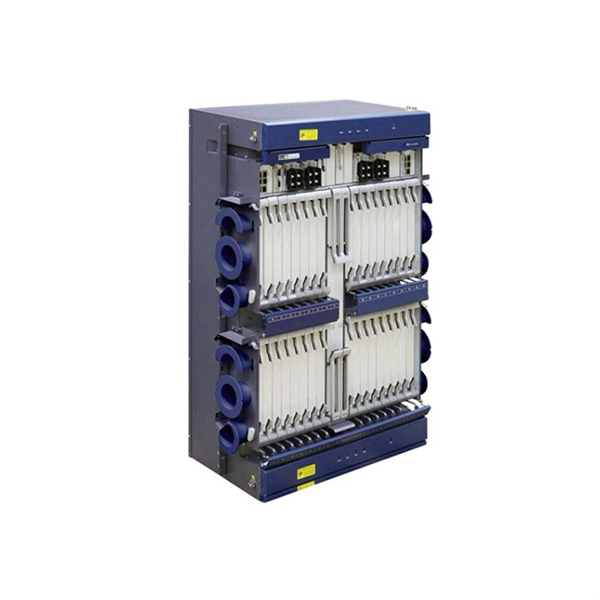
Functions of Distribution Boxes and Low-Voltage Boxes
Equipment illustration / verify against the selected product

Low-Voltage Distribution Box Explained: Types, Standards, and Uses

These boxes ensure efficient power distribution while adhering to safety standards. In this article, we will explore the types, standards, and uses of low-voltage distribution boxes to address

What is a Low Voltage Distribution Box?

It is important to know how low voltage distribution boxes are different from high voltage boxes. The biggest differences are in their size, safety, and how you use them.

Usage, Principle, And Classification of Low Voltage Distribution Box

Low-voltage distribution box is a device responsible for controlling, protecting, converting, and distributing electrical energy at the terminal end of the low-voltage power supply system. It is mainl...

Low-voltage distribution cabinet and distribution box difference

Low-voltage distribution cabinets, on the other hand, are larger distribution devices, generally used as the main switch or distribution center of the low-voltage distribution system, with

Distribution Box (DB Box) : Complete Guide to Electrical Power

Distribution boxes are fundamental to safe and efficient electrical power distribution. They protect electrical systems, improve energy management, and ensure stable operation across

Distribution Box vs Control Box vs Junction Box: Key

Learn the differences between distribution boxes, control boxes, and junction boxes. Discover their functions, applications, and how E-abel provides

Distribution Box Guide: Types, Components & Solutions

Understand distribution boxes (DB boxes) in 5 minutes. Learn about types, components, functions, and uses. Find the perfect DB box for your needs.

Low-Voltage Distribution Boxes for Safety and Efficiency in Modern

Explore how low-voltage distribution boxes enhance electrical safety and efficiency in homes and businesses. Learn about key components, smart technology integration, installation best

Types of Electrical Boxes: Complete Guide & Uses 2026

Learn the different types of electrical boxes, including outlet, switch, junction, ceiling, weatherproof, and low-voltage boxes, with practical uses and

Power Distribution Box Essentials: Functions, Types

Easy distribution via Power distribution box + Longer Lifespan of Equipment: Electrical appliances and machines are made to last longer due to

Overview of basic knowledge of distribution box and

Characteristics, types and functions of distribution box 1) It is convenient for management and maintenance in case of circuit failure. 2) Distribution box,

What is a Low Voltage Distribution Box?

A low voltage distribution box safely divides and protects electrical circuits, ensuring reliable power and preventing overloads in homes and businesses.

Electrical Enclosure vs Distribution box vs Distribution board

Electrical enclosures, distribution boxes, and distribution boards are essential components in electrical systems, each serving distinct functions and applications.

Explore Power Distribution Box Types and Functions

Power distribution boxes are used in commercial and residential buildings and are part of the electrical system, also known as switchboards.

WordHTML

Create HTML input fields, radio buttons, check boxes and more with the new online generator. Choose from our collection of free online Date Tools, calendars,

Guardians of Safety: A Comprehensive Guide to

Stringent electrical codes and regulations govern the design and installation of electrical boxes. This commitment to compliance ensures that power distribution

The difference between low-voltage power distribution boxes and

Low-voltage power distribution boxes and ordinary distribution boxes are important parts of delivering electricity to homes and businesses. They help control and distribute electrical power

What Is Distribution Box (DB Box): Types, Functions,

Curious about what a distribution box is? Come and explore the definition, types, and functions of the DB box to understand how it protects

Make the connection clear

Share the fiber interfaces, termination capacity, cable route and evidence required for handover.

Send a project brief