
Fiber connection and distribution references
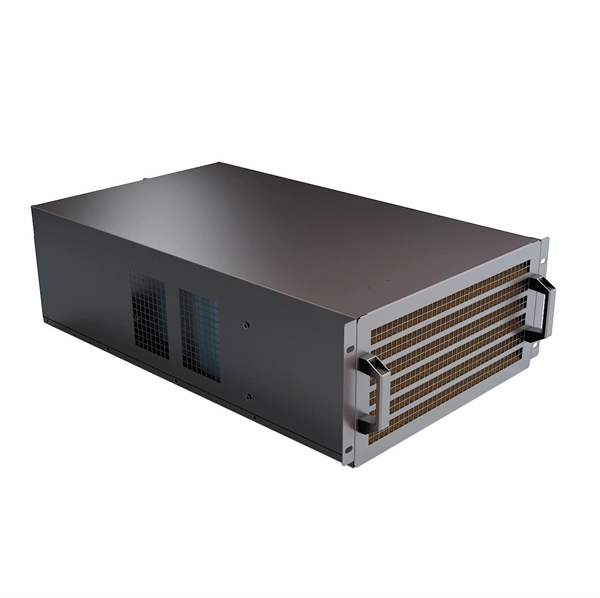
FTTR Device Introducing
Equipped with standard input and output optical ports, it connects to edge ONTs through an optical splitter. It also includes GE, POTS interfaces, and
Fiber to The Room (FTTR) Solution
Huawei''s fiber to the room (FTTR) solution extends fibers to rooms and provides various gigabit Wi-Fi 6 master/slave FTTR units, all-optical components, and optical cable construction tools, enabling users
FTTR/FTTH Indoor Split Device (Optical Power
An FTTR/FTTH indoor split device is an indoor distribution node that combines optical splitting (or fiber branching) with basic port distribution (Ethernet and/or
FTTR (Fiber to the Room): How It Changes Home
What Is FTTR? FTTR stands for Fiber to the Room, a technology that takes the principles of FTTH (Fiber to the Home) one step further. Instead of
Optical Splitters: Split Ratios, Splitting Architectures & PON Network
Learn about optical splitter split ratios (1:N, 2:N), centralized vs. cascaded architectures, and how to choose the right setup for FTTH PON networks.
Optical Splitters for Central Office/Headend
Optical splitters and couplers split or combine light—distributing signals injected into a single fiber strand to multiple fibers, enabling point to multi-point
Passive FTTR solution, components
Background Two FTTR implementation solution Passive solution: All-optical network, optical cable and connector for cabling. Using the existing indoor circuit to realize power supply.
Wideband FTTR PON for Joint Wired and Shortwave Optical Wireless
The implications due to few-mode shortwave propagation over an FTTR PON furnished with standard telecom fiber and fiber-optic splitters designed for near-infrared O- to L-band operation will be
FTTR | FIBEYE
FTTR(Fiber-to-the-room), is an innovative solution that allows telecom operators to bring optical fibers directly into rooms. With FTTR solution, operators can lay
What is FTTR?
Unlike FTTH (Fiber to the Home), the traditional FTTH solution, FTTR, economically connects a master ONU (Optical Network Unit) with multiple
Understanding FTTR Solution
This blog will introdcing FTTR solution, with its primary and secondary optical modems, offers a superior WiFi coverage solution.
The Second Revolution of Optical Networks: The Large
As the second revolution of optical networks, FTTR can build up its brand image only when it is scaled up. This involves cost budgeting, package design,
FTTR Device Introducing
Edge ONTs These devices connect to the main ONT''s output port via the optical splitter, working with the main ONT to form the FTTR architecture. 4.
Beyond the Fiber Cable: Understanding Optical Splitters
Conclusion Optical splitters are essential in modern fiber optic networks. They efficiently distribute optical signals, making them vital in many
What is FTTR (Fiber To The Room)? | Sopto
The main components of the FTTR network include ONUs, optical splitters, fiber optical cables, and optical fiber panels. ONU is an all-in-one device
Optical Splitters: Split Ratios, Splitting Architectures & PON Network
This guide focuses on two critical aspects of optical splitters that define FTTH performance: split ratios (how signals are divided) and splitting architectures (how splitters are
What Is FTTR And FTTR All-optical Network Solution?
FTTR (Fiber to The Room) refers to replacing network cables with optical fibers, laying optical fibers in each room. It is a new coverage mode for
Fiber Optic Splitter: How It Works & Types Guide
This guide demystifies fiber optic splitters, explaining their design, operating principles, types, key specifications, and real-world applications.
Related Video Reference
This video was associated with the source search result. Verify technical details against current product documentation and project requirements.