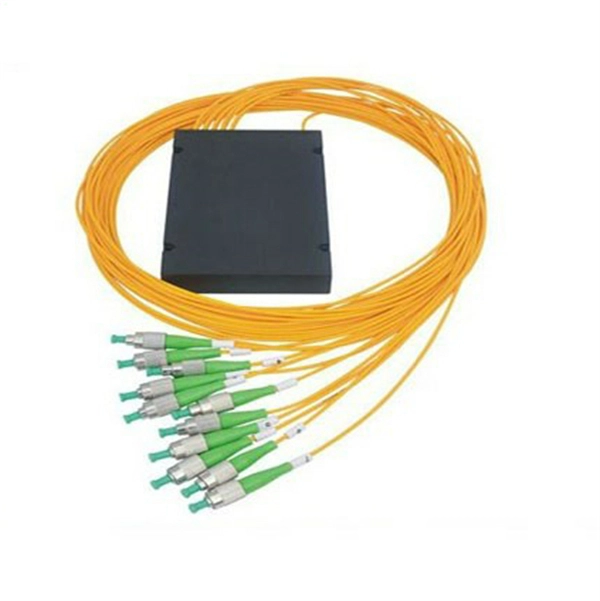
Fiber optic pigtails are precision-engineered components designed for reliable splicing and optimal network performance, featuring factory-terminated connectors and rigorous quality control.
Overview
A fiber optic pigtail is a short length of optical fiber with a factory-installed connector on one end and a bare fiber on the other, intended for permanent splicing to incoming fiber cables in the field ( ). Unlike patch cords, which have connectors on both ends, pigtails combine the precision of factory-terminated connectors with the flexibility of field splicing, ensuring low insertion loss and high return loss ( ). Engineering and ManufacturingProfessional-grade pigtails undergo precision engineering and advanced manufacturing processes to guarantee performance: Connector Polishing: Each connector end is machine-polished to achieve superior optical performance, including low insertion loss and minimal back reflection ( ).
Quality Control: Comprehensive interferometer geometry testing and video-based inspection ensure connector end faces are free from defects and contamination ( ). Material Selection: High-quality optical fibers and connectors are chosen to minimize signal loss and maximize transmission efficiency ( ). Buffering and Packaging: Flexible, easy-to-strip buffers and individual packaging protect the fiber and provide traceability and performance data ( ).
Types and Specifications
Fiber optic pigtails are available in a wide range of configurations to meet diverse network requirements: Fiber Type: Single-mode (OS1/OS2) for long-haul and telecom applications, and multimode (OM1–OM5) for enterprise LANs and data centers ( ). Connector Type: SC, LC, FC, ST, and E2000, with both standard and APC (Angled Physical Contact) polish options ( ). Buffer Diameter: Common sizes include 0.
9mm, 1. 6mm, 2. 0mm, and 3.
0mm to accommodate different installation environments ( ). Fiber Count: Single-strand or multi-strand pigtails are available depending on network density and application ( ).
Splicing Methods
Pigtails are designed for fusion or mechanical splicing: Fusion Splicing: Provides the lowest insertion loss and highest reliability by permanently joining fibers with heat ( ). Mechanical Splicing: Offers faster installation but may have slightly higher insertion loss; suitable for temporary or field-limited applications ( ).
Applications
Fiber optic pigtails are essential in: Optical Distribution Frames (ODFs)Fiber Termination BoxesData Centers and FTTH DeploymentsHigh-Density Installations where short buffer-style connector boots facilitate fiber management ( ). Key AdvantagesFactory-grade connector quality ensures consistent performance. Flexibility to splice into any cable system.
Time and labor savings compared to field-terminated connectors. Compatibility with a wide range of network equipment and patch panels ( ). In summary, fiber optic pigtails are engineered for precision, reliability, and ease of installation, making them indispensable in modern fiber optic networks.
Their careful design, rigorous testing, and versatile configurations ensure optimal signal transmission and long-term network performance ( ).