
Fiber connection and distribution references
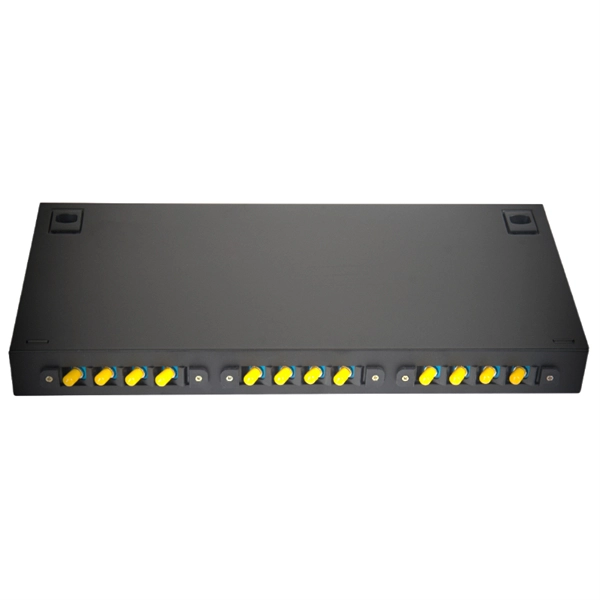
SC Flangeless Snap-In Fiber Adapter for High-Density Network
The SC & LC Single Mode & Multimode Flangeless Snap-In Fiber Optic Adapter is a high-performance solution for coupling SC and LC connectors in high-density networking environments.
Fiber Connectors
The most popular versions include, push-on Square Connectors (SC), snap-in Lucent Connectors (LC), and twist-on Straight Tip Connectors (ST). We also supply MIL-SPEC Fiber Cable Connectors for
Fiber Optic Connector Types: A Beginners Guide
The most commonly used fiber optic connectors are LC and SC connectors due to their reliability, ease of use, and compatibility with both single
OptiSnap™ Connector, LC | Corning
With proven field-installable connector technology, fiber terminations using the OptiSnap™ connector system are fast, easy and reliable. Corning high-precision mechanical splice technology enables fiber
The FOA Reference For Fiber Optics
There are a number of specialty fiber optic connectors available such as this multifiber military connector, special underwater or aircraft connectors, plastic optical fiber (POF) connectors, etc.
Fiber Optic Connector Identifier
These connectors are generally multifiber connectors and some use expanded beam connector technology for its resistance to dirt and harsh environments. Examples of these connectors are the
Fiber Optic Connectors | Primus Cable
The most popular versions include snap-in Lucent Connectors (LC connectors), push-on Square Connectors (SC connectors), and twist-on Straight Tip Connectors (ST connectors). We also supply
Fiber Connector Types: A Complete Guide (2024)
SC Connector The SC (Standard Connector, Subscriber Connector) is a fiber optic connector released by NTT in the mid-1980s. It is a snap-on
Fiber Optic Connector Types Explained | FiberCablesDirect
Fiber optic connectors are an essential component of any fiber optic network, allowing for the connection and transmission of optical signals between devices. But with so many different types of fiber optic
CHOOSING FIBER OPTIC CONNECTORS
This guide discusses common connectors for fiber optic networking and audio/video applications. For questions on other connector types and configurations, please contact us at info@clrtec .
Fiber Optic Connector Types: LC, SC, ST Comparison – Topfiberbox
Compare LC, SC, and ST fiber connectors by size, latching, and use case. Find the best fiber connectors for data centers, telecom, or legacy networks.
Fiber Connector Types: A Comprehensive Guide 2025
A fiber optic connector is a mechanical device used to align and join optical fibers, enabling light to pass through with minimal loss. Unlike fiber splicing, which is permanent, connectors
Fiber Connectors
Fiber Optic Cable Connectors are used to connect two runs of fiber optic cable. The most popular versions include, push-on Square Connectors (SC), snap-in Lucent Connectors (LC), and twist-on
The ST Connector, Sometimes Called Snap and Twist
The first widely used connector in the data world, at least in North America, was the ST, sometimes called Snap and Twist. This connector dealt successfully with many of the limitations of
Guide To Fiber Connector Types
Learn about the most commonly used fiber connector types including FC, LC, ST, and MTP fiber optic connectors for single-mode and multimode
Know Your Fiber Connectors
Common 2.5mm Connectors SC, FC and ST fiber optic connectors all feature a 2.5mm ferrule size and can therefore be mixed and matched using special hybrid adapters. Developed by
A Complete Guide to Fiber Optic Connectors
There are a bunch of different fiber optic connector types to suit all sorts of applications. Picking the right connector for the job is key to getting the best performance from your fiber optic
Fiber Optic Connectors Explained: Design, Types & Applications
Fibers in lasers are found in the medical, industrial equipment, military, and transportation industries. There are many different connectors for fiber optic cables because of these various
Related Video Reference
This video was associated with the source search result. Verify technical details against current product documentation and project requirements.