KENHARDT OPTICALNetworks across Africa Talk through a project
Fiber systems / Technical reading Optical reference library

Fiber Optic Cables and Adss

Inside this technical reference
Source context

AI source overview

ADSS fiber optic cables are self-supporting, non-metallic cables designed for aerial installation, capable of withstanding environmental and electrical stresses without additional support. OverviewADSS stands for All-Dielectric Self-Supporting. These cables are specifically engineered for aerial deployment along power lines, utility poles, or transmission towers.

Unlike traditional aerial fiber cables, ADSS cables do not contain metallic components and do not require messenger wires or external support, making them safe for installation near high-voltage lines and reducing installation complexity and cost. Structure and ComponentsADSS cables are composed of several key elements designed for durability and performance: Optical Fibers: The core transmission medium, made of high-purity glass or plastic, capable of transmitting high-speed data with minimal interference. Tube Buffer: Fibers are housed in polymer-based buffer tubes, providing mechanical protection and flexibility.

Strength Members: Non-metallic materials such as aramid yarns (Kevlar) or fiberglass provide tensile strength, allowing the cable to support its own weight and resist mechanical stress from wind, ice, or vibration. Outer Jacket: A UV-resistant, weatherproof layer, typically made of high-density polyethylene (HDPE), protects against abrasion, chemicals, and extreme environmental conditions.

ADS

S cables are available in different structural designs, including central tube and layered twist, optimized for various span lengths, fiber counts, and environmental conditions.

Advantages

Electrical Safety: Being all-dielectric, ADSS cables are electrically insulated, making them safe near high-voltage power lines (110kV–500kV) without risk of short circuits.

Self-

Supporting: No need for additional support wires, simplifying installation and reducing clutter in utility corridors. Durability: Resistant to UV radiation, extreme weather, and mechanical stress, ensuring long-term reliability.

Cost-

Effective Installation: Single-pass installation reduces labor and hardware requirements, especially in live-line environments. ApplicationsADSS fiber optic cables are widely used in: Power Grid Communications: For monitoring and control of electrical distribution and transmission networks. Smart Cities and Rural Connectivity: Providing high-speed data links in urban and remote areas.

Telecommunication Networks: Overhead fiber deployment where underground installation is impractical. Installation ConsiderationsADSS cables are typically installed along utility poles or transmission towers. Their design allows for live-line installation, meaning they can be deployed without shutting down power lines.

Proper tensioning and span calculations are critical to ensure mechanical stability and longevity. In summary, ADSS fiber optic cables combine safety, durability, and ease of installation, making them ideal for aerial fiber networks in challenging environments. They are a preferred choice for utilities and telecom operators seeking reliable, high-performance overhead fiber solutions.

Research context

Reference summary

All-dielectric self-supporting (ADSS) cable is a type of that is strong enough to support itself between structures without using conductive metal elements. It is used by companies as a communications medium, installed along existing overhead transmission lines and often sharing the same support structures as the electrical conductors.

ADS

S is an alternative to and with lower installation cost. The cables are designed to be s.

Additional context

Source notes

All-dielectric self-supporting (ADSS) cable is a type of that is strong enough to support itself between structures without using conductive metal elements. It is used by companies as a communications medium, installed along existing overhead transmission lines and often sharing the same support structures as the electrical conductors.
ADSS is an alternative to and with lower installation cost. The cables are designed to be s…

From reference to enquiry

Questions for your project

Use these editorial prompts alongside the linked excerpts. They identify items to confirm for your project.

Detailed reading / connection to installation

Fiber connection and distribution references
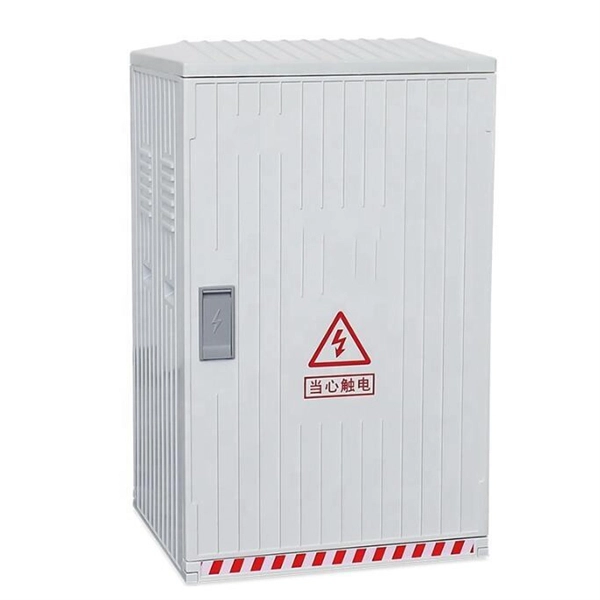
Fiber Optic Cables and Adss
Equipment illustration / verify against the selected product

ADSS Fiber Optic Cables: What They Are, Structures, Applications

In the realm of aerial fiber optic infrastructure—where cables must withstand harsh weather, high voltages, and mechanical stress— ADSS (All Dielectric Self-Supporting) fiber optic

All-dielectric self-supporting cable

OverviewConstruction detailsAccessories and installationApplication issues

All-dielectric self-supporting (ADSS) cable is a type of optical fiber cable that is strong enough to support itself between structures without using conductive metal elements. It is used by electrical utility companies as a communications medium, installed along existing overhead transmission lines and often sharing the same support structures as the electrical conductors. ADSS is an alternative to OPGW and OPAC with lower installation cost. The cables are designed to be s

What Is ADSS Cable? Complete Guide to Self

ADSS cable stands for All-Dielectric Self-Supporting Fiber Optic Cable. The term "all-dielectric" means the cable contains no metallic conductive

ADSS Fiber Optic Cable | All-Dielectric Self-Supporting Aerial Cable

AFL-ADSS (All-Dielectric Self-Supporting) fiber optic cable is a non-metallic cable which supports its own weight without the use of lashing wires or messenger cables, typically installed in overhead

ADSS Fiber Optic Cable: Complete Guide To Aerial Self

Complete guide to ADSS fiber optic cable — structures, PE vs AT jackets, installation hardware, voltage ratings, span selection, and FAQ. 25 year

What is ADSS Cable? The Complete Guide to Aerial Fiber (2026)

What is ADSS Cable? We explain the "All-Dielectric Self-Supporting" technology, the difference between PE and AT jackets, and how to choose the right Span.

The Most Complete Guide to ADSS Cable

In this guide, I''ll provide you with a deep insight into ADSS cables, including specifications and pricing, comparisons with OPGW, and everything

ADSS Fiber Optic Cable Guide: Specs, Sheath & Project Quote

Complete guide to ADSS (All-Dielectric Self-Supporting) fiber optic cable. Learn about ADSS structure, PE vs AT sheath types, span design, and how to select the right ADSS for your aerial telecom project.

ADSS Fiber Optic Cable | All-Dielectric Self-Supporting

AFL''s ADSS (All-Dielectric Self-Supporting) fiber optic cable is designed for aerial installation without the need for messenger wire. Lightweight, non-metallic, and

What is ADSS Cable? Structure, Advantages, Installation

ADSS cable (All-Dielectric Self-Supporting cable) is a widely used aerial fiber optic solution for power transmission and telecom networks. This guide explains its structure, working

Fiber Optic Cables and Panels for Mission Critical Networks

Fiber Optic Cables and Panels for Mission Critical Networks, Rugged & Flexible Armored Fiber Optic Cables, MPO Cables, MTP Cables, Custom Fiber Optic Cables

24 Cores ADSS Fiber Optic Cable Price & Datasheet

24 Cores ADSS Fiber Optic Cable ADSS optic cable adopts loose tube layer stranded structure, and the loose tube is filled with water blocking

Outdoor Fiber Optic Cable Types Compared: ADSS,

Outdoor Fiber Optic Cable Types Compared - Choosing the right fiber optic cable for an outdoor run isn''t like picking an indoor patch cord.

GL FIBER

Outdoor Fiber Optic Cable GL FIBER supply types of aerial, duct, direct-buried (underground) fiber optic cable for outdoor application.

Different Types and Specifications of ADSS Fiber Optic

ADSS fiber optic cables are available in a variety of core counts, ranging from 2 fibers to several dozen. The core count you choose will depend

ADSS Fiber Optic Cable Specifications Explained | Structure

Explore the complete specifications of ADSS fiber optic cables, including structure details, mechanical performance, optical characteristics, and environmental resistance. Learn how to choose

Harsh Environment Fiber Optic Cable Solutions for

Explore how to select the right fiber optic cable for challenging environments including high temperatures, extreme cold, salt spray, humidity,

FRP Strength All Dielectric Self Support Fiber Optic Cable ADSS

Self-supporting aerial fiber cables. AITONG''s Fiber Optic Cables for aerial installation includes self-supporting All Dielectric Self Support (ADSS), designed for pole installation. The cables come in

Related Video Reference

This video was associated with the source search result. Verify technical details against current product documentation and project requirements.

Make the connection clear

Share the fiber interfaces, termination capacity, cable route and evidence required for handover.

Send a project brief