KENHARDT OPTICALNetworks across Africa Talk through a project
Fiber systems / Technical reading Optical reference library

Fiber Optic Cable Upgrade and Renovation Project

Inside this technical reference
Source context

AI source overview

A fiber optic cable upgrade and renovation project involves planning, designing, splicing, testing, and connecting upgraded fiber infrastructure to ensure high-speed, reliable, and future-proof network performance.

Project Planning and Design

The first step in any fiber optic upgrade or renovation is a site survey and network planning. Engineers assess the existing infrastructure, map routes, and identify obstacles such as buildings, waterways, or existing utilities. For upgrades, this includes evaluating current fiber conditions and determining whether to replace, extend, or overlay existing cables.

Network design often uses Passive Optical Network (PON) architecture for FTTH deployments, which allows a central hub to serve multiple endpoints efficiently, minimizing energy costs and simplifying maintenance. Designers create detailed CAD layouts for backbone, distribution, and drop connections, ensuring compliance with local operator standards and preparing documentation for permits and construction approvals. Both greenfield (new construction) and brownfield (existing network renovation) projects are supported, with tailored solutions for each scenario.

Installation and Splicing

Fiber optic cables are installed either aerially on poles or underground in ducts or trenches. During renovation, careful handling is required to avoid disrupting existing services. Since fiber comes in limited lengths, splicing is necessary to join sections.

Splicing must be precise and clean to prevent signal loss, and protective enclosures shield splices from environmental damage. After installation, technicians perform fiber testing using tools like Optical Time Domain Reflectometers (OTDRs) to verify continuity, light loss, and overall network performance. Proper testing ensures the upgraded network meets performance standards before activation.

Connecting to End Users

The final stage involves connecting the upgraded network to homes or businesses via Fiber to the Home (FTTH). An Optical Network Terminal (ONT) is installed at each location to convert optical signals into digital data for routers and devices. This stage ensures ultra-fast, symmetrical speeds and reliable connectivity, supporting modern applications such as IoT, smart homes, and cloud services.

Project Management and Compliance

Successful renovation projects require effective project management, including coordination among engineers, contractors, and utility companies. Managers oversee design, installation, and testing to ensure the project meets technical and operational goals. Compliance with local telecom standards and operator guidelines is critical, and detailed documentation, including splicing diagrams and link loss reports, is maintained for auditing and future upgrades.

Benefits of Upgrading Fiber Networks

Upgrading and renovating fiber networks provides enhanced connectivity, future-proofing, and increased property or service value. It supports higher bandwidth demands, reduces maintenance costs, and ensures energy-efficient, sustainable network operations. Properly executed projects also allow for scalability, enabling the network to accommodate future technological advancements such as 5G and smart city infrastructure.

In summary, a fiber optic cable upgrade and renovation project is a comprehensive process involving planning, precise installation, testing, and FTTH deployment, all managed to ensure long-term reliability, high performance, and compliance with industry standards.

Research context

Reference summary

New Construction Fiber Optic Cabling Overview & GuideThis guide will detail the step-by-step process of new construction fiber optic cable installation, di.

From reference to enquiry

Questions for your project

Use these editorial prompts alongside the linked excerpts. They identify items to confirm for your project.

Detailed reading / connection to installation

Fiber connection and distribution references
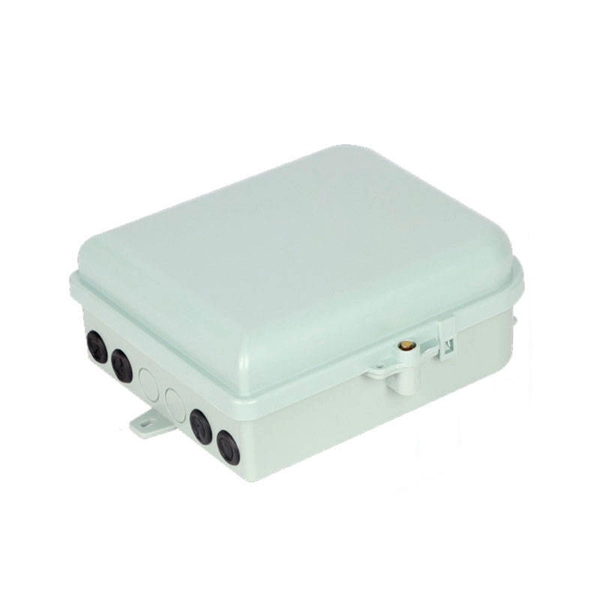
Fiber Optic Cable Upgrade and Renovation Project
Equipment illustration / verify against the selected product

New Construction Fiber Optic Cabling Overview & Guide

This guide will detail the step-by-step process of new construction fiber optic cable installation, discuss its benefits, and share best practices for integrating this technology into new

Fiber Optic Network Construction

Learn how fiber optic network construction works—from site survey and permits to aerial vs underground fiber cable installation, splicing, and FTTH

The FOA Reference For Fiber Optics

In this section on fiber optic projects, FOA ties together topics covered in many pages in the online FOA Guide and in chapters in some of our current textbooks, to provide a reference for those who

A Simple Guide to Fiber Optic Cabling for New

This article will explain the bit-by-bit process of new construction fiber optic cable installation, chew over its advantages, and share best practices for incorporating

What is Fiber Construction? | VIAVI Solutions Inc.

With new fiber networks carrying up to 1728 fiber strands in each cable, labor intensive trench digging, conduit placement, and pole attachment are just part of the fiber construction process.

How to Plan a Fiber Optic Installation Project from Scratch

If you''re leading a project involving fiber—whether for a healthcare facility, retail expansion, or OEM partner network—this guide will walk you through every technical phase of planning a fiber optic

FTTH Project Management: Fibre Rollout Guide | Fiber Products

Complete FTTH project management guide covering planning, civil works, splicing, testing and commissioning. Learn fibre deployment best practices and cost optimisation strategies.

Building the Future: A Deep Dive into the Fiber Construction Proc

The process of bringing Truvista''s fiber-optic internet to a neighborhood involves careful planning, precise construction, and thorough testing. As a customer, you can anticipate improved

The FOA Reference For Fiber Optics

It should describe the project in an unambiguous fashion, covering what needs to be done, who will do it, what is the time scale of the project, where the work is to be performed and how successful

A High-Level Overview of the Fiber Construction Stages

Get a high-level overview of the fiber construction stages and what to expect. This comprehensive guide explains each step of the process, helping you set realistic

Ultimate Guide for Upgrading to Fiber Optic Networks

Fiber optic network has become prevalent due to their numerous advantages offered to meet ever-increasing needs in this era. Since copper

Ansys | Engineering Simulation Software

Ansys engineering simulation and 3D design software delivers product modeling solutions with unmatched scalability and a comprehensive multiphysics foundation.

When to Buy Fiber Optic Cable: Selection Guide for Projects & Networks

Fiber optic cabling has become the backbone of modern networks, offering high bandwidth, low latency, and long-distance transmission capabilities. But is it always the right time to

Fiber Optic Network Construction: Process and Build Costs

Fiber optic network construction links together digital infrastructure ensuring optical telecommunications traffic reaches end users at the lowest cost.

The keys to deploying fiber networks faster and cheaper

The nerve center established by one operator detected a delay in the delivery of specialized fiber-optic cables from a key supplier. Procurement approached the supplier and

The FOA Reference For Fiber Optics

Fiber Optic Network Design Jump To: The Communications System Cabling Design Choosing Transmission Equipment Planning The Route Choosing Components Cable Plant Link Loss Budget

Internal Fiber Optic Wiring Upgrade Project

Internal Fiber Optic Wiring Upgrade Project - Renovation of an educational facility in Downingtown, Pennsylvania. Completed plans call for the renovation of a one-story above grade

The Shift from Copper Networks to Fiber-Optic Networks | BCG

Telecom companies are challenged to shift from copper networks to fiber-optics. Discover the strategy that BCG experts developed to optimize this transition.

Related Video Reference

This video was associated with the source search result. Verify technical details against current product documentation and project requirements.

Make the connection clear

Share the fiber interfaces, termination capacity, cable route and evidence required for handover.

Send a project brief