
Fiber connection and distribution references
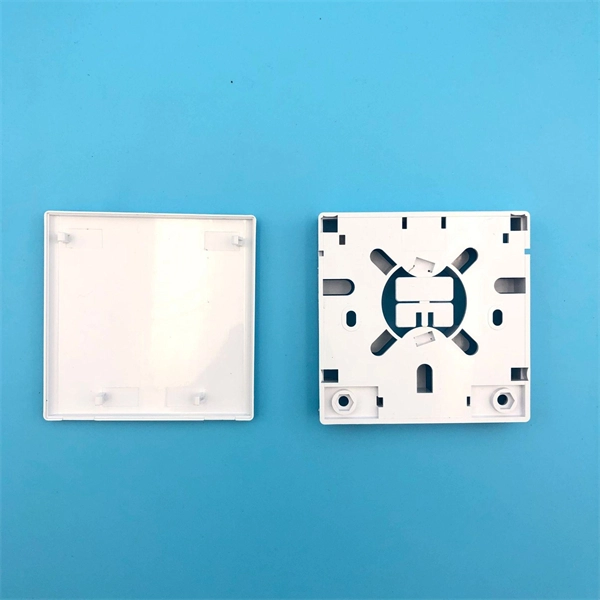
Everything you need to know about fiber optic termination
Fiber Optic Termination Tutorial We terminate fiber optic cable two ways - with connectors that can mate two fibers to create a temporary joint and/or connect
The Most Common Mistakes When Installing Fiber Optic Patch Cables
Fiber-optic patch cables are easy to install, but installers can also damage them. Many network problems blamed on switches, transceivers, or patch panels actually stem from poor cable
Optical Fiber Cable
All Fiber Optic Cable reels should be stored upright Laying the reel on its side may cause damage to the reel flange and/or cause the cable layers to shift – This may cause cable to snag during de-reeling.
The FOA Reference For Fiber Optics-Installing Fiber
All fiber optic cables have specifications that must not be exceeded during installation to prevent irreparable damage to the cable. This includes pulling
The Ultimate Guide to a Drop Wire Clamp for FTTH
A dedicated fiber optic drop wire clamp is designed to grip the cable securely without exerting excessive force that could cause signal loss
Fiber Optic Cable Installation and Handling Instructions
The information contained in this manual should serve as a guide to proper handling, installing, testing, and for troubleshooting problems with fiber optic cables.
How to Splice Fiber Optic Cable – Step-by-Step Fusion
Learn how to splice fiber optic cable using fusion splicing with this complete step-by-step guide. Includes tools, best practices, loss standards (ITU
The FOA Reference For Fiber Optics-Installing Fiber Optic Cable
Fiber optic cables, like all communications cables, are sensitive to compressive or crushing loads. Cable ties used with many cables, especially when tightened with an installation tool, are harmful to fiber
Standard for Installing and Testing Fiber Optics
Although most fiber optic cables are not conductive, any metallic hardware used in fiber optic cabling systems (such as wall-mounted termination boxes, racks, and patch panels) must be grounded.
How to Fix a Cut Fiber Optic Cable
While a cut or damaged fiber optic cable can temporarily take your network down, it is possible to quickly fix the cable with the right tools. This wikiHow article will teach you how to splice a
Comprehensive Guide to Fiber Optic Cable Clamps
Provide strain relief: Fiber optic cable clamps provide strain relief to the cable, reducing the stress applied to the optical fibers within it during installation or operation. This helps prevent any
Fiber Optics and Types
Fiber optic cables are used for long-distance and high-performance data networking. They are capable of transmitting data over longer distances and at higher bandwidths (data rates) than
OPGW Installation Guidelines | PDF | Optical Fiber | Wire
This document provides installation guidelines for optical ground wire (OPGW). Section 2 discusses preparation for OPGW installation, including establishing engineering plans, preparing tools like
The FOA Reference For Fiber Optics-Installing Fiber Optic Cable
When used, cable ties should be hand tightened to be snug but loose enough to be moved along the cable by hand. Then the excess length of the tie should be cut off to prevent future tightening. Hook
Network Cable Management: Complete Guide
What Is Network Cable Management? Network cable management encompasses the systematic organization, routing, and securing of data cables,
Amazon and Corning in Multi-Billion-Dollar Fiber Infrastructure Deal in
Introduction: The surge in optical fiber demand is intensifying as hyperscale cloud providers accelerate infrastructure buildouts to support AI-driven workloads and high-density data
Fiber Optic Cable Types Explained
Our comprehensive guide to types of fiber optic cables. Learn all about the differences between single mode and multimode cables, as well as the various fiber wavelengths and standard core sizes used
Guide to Fiber Optic Drop Cable
The buffer tube encapsulates the individual optical fibers, the fiberglass or steel strength members add rigidity and protection to the optical cable, and the outer jacket protects the entirety of
Related Video Reference
This video was associated with the source search result. Verify technical details against current product documentation and project requirements.