KENHARDT OPTICALNetworks across Africa Talk through a project
Fiber systems / Technical reading Optical reference library

Fiber Optic Cable Laying Route and Location

Inside this technical reference
Source context

AI source overview

A successful fiber optic cable route requires careful planning, site surveys, proper conduit selection, and adherence to installation best practices to ensure long-term network reliability.

Route Planning and Site Survey

The first step in laying a fiber optic cable is defining a clear route that avoids unnecessary detours, tight bends, and obstacles such as existing utilities, HVAC ducts, or steel structures. Conduct a thorough site survey to evaluate soil conditions, terrain, and potential environmental risks. Identify all endpoints, intermediate equipment rooms, and access points, while leaving extra conduit space (typically 25–40%) for future network expansion.

Obtain all necessary permits and right-of-way approvals before construction begins.

Conduit and Cable Selection

Select the appropriate cable type based on environmental conditions and bandwidth requirements. Options include single-mode or multi-mode fibers, armored or dielectric cables.

Use HDPE or PV

C conduits for underground installations, and consider armored fiber in high-risk areas. Ensure the conduit path maintains the minimum bend radius and avoids sharp turns to prevent fiber damage.

Installation Techniques

Fiber optic cables can be installed using pulling or blowing techniques. Pulling is suitable for shorter runs, while blowing uses compressed air to reduce stress on the fiber for longer distances. Maintain pulling tension within manufacturer specifications (typically 100–200 pounds) and avoid kinking or twisting the cable.

For surface loops, use figure-8 patterns to prevent twists and mechanical stress.

Burial Depth and Environmental Considerations

Underground fiber cables are typically buried 18–36 inches, depending on local regulations, soil type, and traffic conditions. Urban areas may require 12–24 inches, while rural or high-traffic zones may need 24–48 inches for added protection. Conduct soil analysis and environmental assessments to determine proper burial depth and protective measures, including armored cables or additional conduit layers in high-risk areas.

Splicing, Termination, and TestingAfter installation, perform fusion splicing or mechanical splicing to join fibers, protecting joints with splice enclosures to prevent moisture ingress and mechanical stress. Terminate fibers with connectors that match equipment specifications, ensuring clean and polished end faces to minimize signal loss. Conduct thorough testing using OTDR and insertion/return loss measurements to verify network performance and document results for future maintenance.

Documentation and Maintenance

Maintain detailed records of the cable route, installation methods, and test results. This documentation supports future troubleshooting, network expansion, and regulatory compliance. Regular inspections and preventive maintenance help sustain optimal performance and prevent signal degradation over time.

By following these best practices, a fiber optic cable route can be installed efficiently, safely, and with long-term reliability, ensuring high-speed connectivity and minimal operational disruptions.

Research context

Reference summary

Tools Get telecom and data center intelligence, down to a street level viewpoint of a specific address, with FiberLocator. Our map advisers can prepare a s.

From reference to enquiry

Questions for your project

Use these editorial prompts alongside the linked excerpts. They identify items to confirm for your project.

Detailed reading / connection to installation

Fiber connection and distribution references
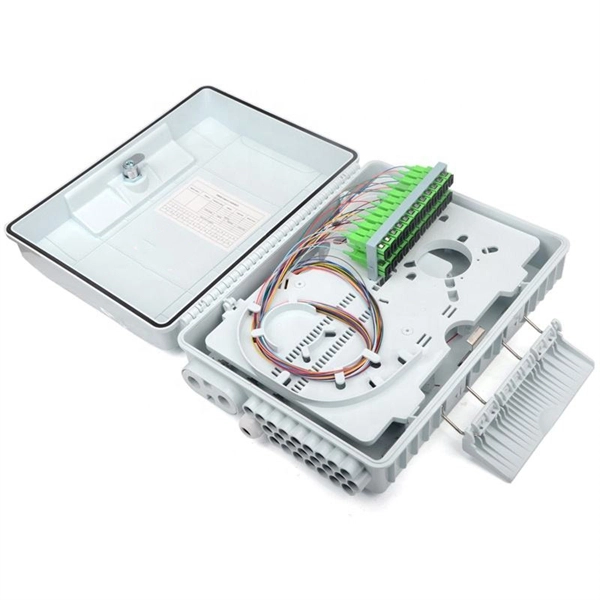
Fiber Optic Cable Laying Route and Location
Equipment illustration / verify against the selected product

Fiber Internet Installation: Step-by-Step Guide (2026)

Before installing fiber optic internet, ensure your business location is ready for the fiber optic network setup. This involves checking fiber infrastructure,

Fiber Optic Cable Installation: How To Properly Install It

Fiber optic cable installation made simple: learn the proper steps, tools, and techniques to ensure a fast, reliable, and long-lasting network connection.

Fiber Optic Cable Installation: How To Properly Install It

A comprehensive guide to fiber optic installation - everything you need to know about fiber optic cabling for your network installation.

Underground Fiber Optic Cable Installation: A Complete Best

Learn how to install underground fiber optic cables safely and efficiently. Explore trenching, conduit selection, direct burial methods, splicing, termination, testing, and solutions for

Master Your Fibre Optic Installation: Step-by-Step Best Practices

The routes for laying fiber optic cables may involve ducts, subterranean channels or elevated paths. Installation typically employs two techniques: pulling and blowing.

The FOA Reference For Fiber Optics

Some ONTs look like cable modems and will require a fiber optic cable from the demarcation box outside into a location inside the house. That type of

Does anyone have a customer service for frontier fiber

Frontier internet cut after fiber optics installation January 10th Frontier was out laying the new fiber optics. That morning we had internet everything was working great we run a business we

PDF document

PDF document PDF document Read this PDF document online, download the original file, and browse related details on device.report. Additional coding instructions can be found in the Article File chapter

Fiber Optic Cable Installation Process: Connecting Homes

The fiber optic cable installation process, meaning connecting homes with internet service, is becoming increasingly critical and important to understand.

Optical networks

An optical transport network is a high-speed communication system that sends light signals over fiber-optic cables to move large amounts of data across long

What Is Fiber To The Home (FTTH)?

What is fiber to the home (FTTH)? Fiber to the home (FTTH) delivers high speed broadband connectivity directly to the consumer. It replaces traditional copper

Compare Internet Providers by ZIP Code: See All ISPs

Find internet service providers by zip code and see a comparison of deals from cable companies, DSL and satellite services for TV, phone and

Giga Bridge Phoneline – Distribute fibre optics throughout your home

Laying a LAN or special fiber optic cable is expensive, and placing the router in the basement or utility room is not an alternative. The devolo Giga Bridge offers a simple solution! The devolo Giga Bridge

How Fiber Internet is Installed: A Complete Guide

Curious about fiber-optic internet? Learn more about how to install fiber internet and what you need to know before choosing your fiber internet plan.

Verizon Fios | Fiber-Optic Internet | Plans Start at $35/mo | Verizon

How fast is fiber internet? Experience Verizon''s 100% fiber-optic Fios home internet service. Plans start at $35/mo. Check availability today.

Everything you need to know about fiber optic termination

Different connectors and splice termination procedures are used for singlemode and multimode connectors, so make sure you know what the fiber will be before you specify connectors or splices!

Construction

Fiber comes to your home or small business in a square, similar to your cable modem. This is known as an ONT or “optical network termination.” From there, you can plug your router into the ONT. We

Georgetown, TX | Anyone know any updates on restore time for the

Anyone know any updates on restore time for the optimum outage? Their website isn''t giving any useful information on restore updates

Make the connection clear

Share the fiber interfaces, termination capacity, cable route and evidence required for handover.

Send a project brief