
Fiber connection and distribution references
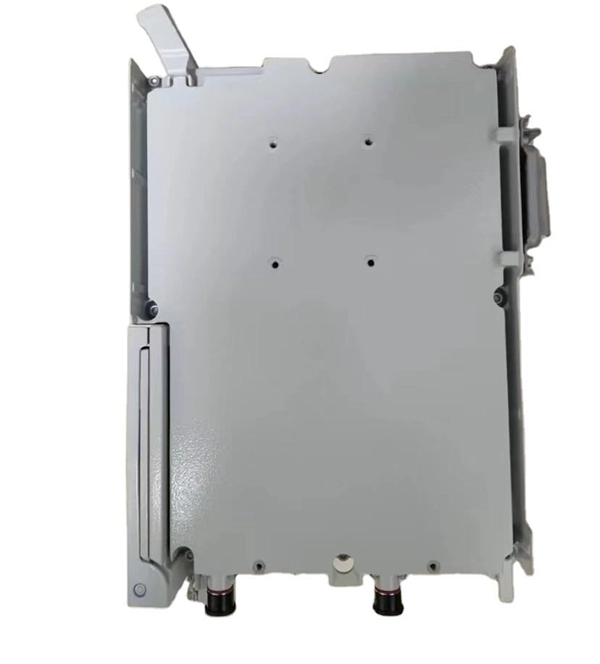
Guide to Fiber Network Cards: 10G/25G/100G NIC
Whether you''re upgrading a workstation, scaling a small business network, or building out a hyperscale data center, a fiber network card (NIC,
The difference between fibre channel optical module and Ethernet
Ethernet optical modules are general-purpose network transceivers for LAN, WAN, cloud computing, and IP-based transmission. They support high scalability and flexible networking.
The Most Comprehensive Guide Of Optical Modules
Explore the ultimate guide to optical modules. Learn types, functions, performance metrics & how to choose the right module for your fiber network.
Optical Module Guide: Demystifying Optical Modules and Their Uses
There are various types of optical modules, including SFP (Small Form-factor Pluggable), SFP+, QSFP (Quad Small Form-factor Pluggable), and CFP (C Form-factor Pluggable). Each type
Optical Line Cards
Optical line cards are a critical element in setting up high-speed data and network connections, as they link the router to an external network through an optical fiber interface.
Introduction to 100G Optical Network Card and Optical Module
The 100G optical network card can be connected and transmitted with 100G QSFP28 DAC high-speed cable, 100G QSFP28 AOC active optical cable, 100G QSFP28 optical module and
Understanding OLT, ONU, ONT and ODN in PON
OLT is short for optical line terminal, which is a device used to connect optical fiber and transfer signals. OLT is the starting point for the PON, which is connected to an aggregation switch
Optical Networking Demystified
Key to optical networking economics! Amps only understand optical power. What kind of amplifier? Can my wavelengths reach the distance without electronics? Things that impact distance...
What is an Optical Network Unit: Understanding Principles
An ONU usually includes an integrated optical port, electrical signal processing module, network interface module, and power management module. Each component plays a different role in
Optical line termination
An optical line termination (OLT), also called an optical line terminal, is a device which serves as the service provider endpoint of a passive optical network.
Intel® Silicon Photonics
Next-generation process technology for disruptive cost structure, size, and integration. Maturity – Our field-proven Intel® Silicon Photonics platform has already shipped more than 8 million PICs with over
WORLD WIDE WEB JOURNAL Home
Internet communications tools Document preparation Computing industry Computing standards, RFCs and guidelines Computer crime Language types Security and privacy Computational complexity and
Cisco Networking for Service Providers
Find the scalable network infrastructure and software solutions to address your challenges with Cisco Networking for service providers.
PDF document
PDF document PDF document Read this PDF document online, download the original file, and browse related details on device.report. Additional coding instructions can be found in the Article File chapter
Optical module
An optical module is a typically hot-pluggable optical transceiver used in high-bandwidth data communications applications. Optical modules typically have an electrical interface on the side that
What Is an Optical Module and Its FAQs (V200)
What Is an Optical Module and Its FAQs (V200) Describes what an optical module is and FAQs, including the fundamentals, appearance and structure, key performance counters, common types,
KB: Creating protection for Hyper-V VMs on Windows Server 2012
First published on TECHNET on Oct 11, 2012 Here''s a new Knowledge Base article we published. This one talks about an issue where using DPM 2012 SP1 to create a protection group for
The difference between fibre channel optical module and Ethernet
Traditional fibre channel network, including FC switch and Fibre Channel cards (FC HBAs), is one of the main choices of San. FC switches connect the storage to the San, while optical
Related Video Reference
This video was associated with the source search result. Verify technical details against current product documentation and project requirements.