
Fiber connection and distribution references
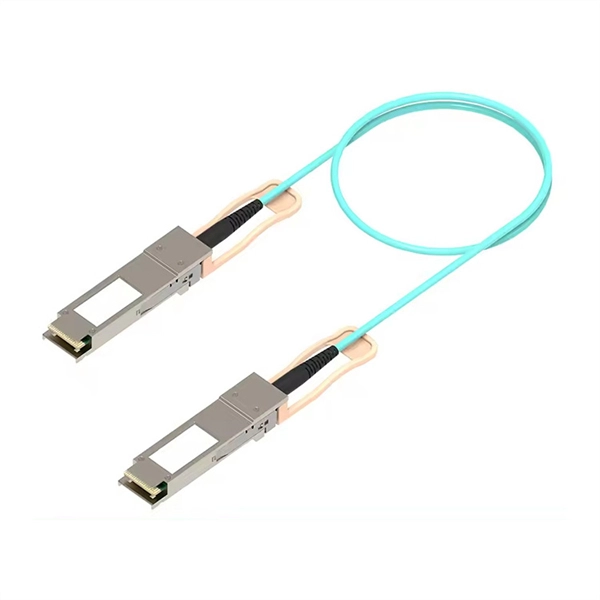
Can We Use a Normal Router for a Fiber Optic Cable?
In nearly all residential installations, no — a standard consumer router cannot connect directly to a fiber optic cable, because it lacks the optical receiver hardware needed to interpret light
Fiber Router vs. Normal Router
A fiber router is designed to work specifically with fiber optic internet connections, providing faster and more reliable speeds compared to a normal router that typically works with traditional broadband
Do I Need a Modem and a Router?
While the ONT is necessary for converting the fiber optic signal, you will still need a router to distribute the internet connection to multiple devices within your home or business.
Fiber Internet Modem Requirements: Debunking the Myth
Unlike regular broadband, fiber optic networks use Optical Network Terminals (ONTs) instead of modems. Routers are important to make fiber internet work better and provide smooth connectivity.
Do You Need a Modem for Fiber Internet? | BroadbandSearch
You still need a router: The ONT converts the fiber signal but doesn''t distribute Wi-Fi. You need a router connected to the ONT to get wireless coverage throughout your home — either a
How Fiber Internet Connects Without a Traditional Modem
Fiber internet eliminates the need for a traditional modem. Instead, users rely on an optical network unit, which serves as the gateway between the fiber line and home devices. In the
Fiber vs. Cable Internet 101: The Best Tips | Dong Knows Tech
Any standard router, including the primary unit of a mesh Wi-Fi system, will work at its full potential with any standard Internet broadband terminal device — modem, Fiber-optic ONT, or
ONU vs Router vs Switch: Key Differences in Fiber Network Devices
The ONU serves as the optical endpoint, translating fiber signals into usable data for other devices. The router handles data routing between networks, ensuring that packets reach their
Do You Get Wi-Fi with Fiber Internet? | Complete 2025 Guide
In summary, while fiber optic internet is a wired technology, your fiber service package in 2025 almost invariably includes the necessary equipment – typically an ONT and a Wi-Fi router – to create a
How does fiber optics work?
An easy-to-understand introduction to fiber optics (fibre optics), the different kinds of fiber optic cables, and how light travels down them.
Fiber Optic Internet – A Complete Guide | Learn | Hitron
In other words, an Internet connection. Fiber is different than Ethernet, however they are all wired connections providing reliable Internet connections. How Does Fiber
What Is Fiber Optics? Definition from SearchNetworking
Learn how fiber optics works and why fiber is a common alternative to copper cabling. Also explore the advantages and disadvantages of optical fiber.
Fiber Router vs Normal Router: Enterprise Differences
Fiber router vs. normal router: what''s the difference for your business? Learn the key distinctions in speed, performance, and cost for enterprises.
The Key Differences Between Fiber Optic & Wireless Broadband
The terms ''fiber optic'' and ''wireless broadband'' are often used interchangeably when referring to internet connectivity. While both are internet connection types, there are key differences
What Is a Fiber Optic Cable and How Does It Work
A fiber optic cable uses thin glass or plastic fibers to transmit data as light pulses, enabling fast, clear, and reliable communication over long distances.
Optical Fiber Explained and Demystified
Compared to singlemode fibers, multimode technology is usually cheaper to implement, not so much because of the fiber cable itself, but because multimode transceivers for your switches or routers are
What Is a Fiber Optic Cable and How Does It Work?
Learn about the structure, types, and advantages of fiber optics in data transmission, and why they are the preferred choice for high-speed
Fiber Optics: Understanding the Basics
Fiber also is easier to install and requires less duct space. Applications Some of the major application areas of optical fibers are: • Communications — Voice, data, and video transmission are the most
Related Video Reference
This video was associated with the source search result. Verify technical details against current product documentation and project requirements.