KENHARDT OPTICALNetworks across Africa Talk through a project
Fiber systems / Technical reading Optical reference library

Does a DC power supply fall under relay protection

Inside this technical reference
Source context

AI source overview

DC power systems use protective relays to detect faults, monitor abnormal conditions, and isolate affected circuits to ensure safety and system reliability.

Overview of DC Protection Relays

Protective relays in DC systems function as the intelligence of the protection scheme, continuously monitoring electrical parameters such as current, voltage, and insulation resistance. When a fault occurs—like overcurrent, short circuit, or earth leakage—the relay sends a trip signal to a circuit breaker or disconnect device to isolate the faulted section, preventing damage to equipment and maintaining system stability.

Types of DC Protection Relays

Overcurrent Relays: Detect excessive current flow in DC feeders or circuits and trigger disconnection to prevent overheating or conductor damage. Earth Leakage (Residual Current) Relays: Monitor insulation resistance and detect leakage currents in DC floating systems, typically using Hall effect sensors. They are widely used in photovoltaic systems, EV charging stations, and energy storage systems.

Voltage Relays: Protect against overvoltage or undervoltage conditions, ensuring sensitive DC equipment operates within safe limits. Multifunctional Relays: Combine several protection functions, including overcurrent, earth fault, and voltage monitoring, often with communication and diagnostic capabilities for industrial DC networks. Working PrincipleDC relays operate by sensing electrical quantities through current or voltage transformers, or directly via sensors in low-voltage systems.

The relay logic evaluates whether the measured values exceed preset thresholds. If a fault is detected, the relay issues a trip command to a breaker or switch, isolating the affected section. Time delays and adjustable thresholds are often incorporated to coordinate protection across multiple devices.

ApplicationsDC Grids and Distribution Systems: Protect feeders, busbars, and converters from faults. Renewable Energy Systems: Safeguard photovoltaic arrays and energy storage systems against overcurrent and earth faults. Electric Vehicles and Charging Stations: Ensure safe operation of DC charging circuits and prevent leakage hazards.

Industrial D

C Networks: Protect motors, generators, and control circuits from abnormal conditions.

Design Considerations

Coordination: Relay settings must be coordinated with upstream and downstream devices to ensure selective tripping. Sensitivity: Earth leakage relays must detect low-level currents without false tripping. Reliability: Redundant sensing and robust trip circuits improve system security.

Monitoring and Diagnostics: Modern relays provide real-time monitoring, event logging, and communication interfaces for remote supervision.

D

C Protection SchematicsDC protection schemes are often represented using schematic diagrams showing relay logic, time delays, latching relays, and controlled devices like circuit breakers or solenoids. These diagrams facilitate installation, testing, and maintenance by clearly illustrating the functional relationships between components without focusing on physical layout. In summary, relay protection in DC power systems is essential for detecting faults, isolating affected circuits, and maintaining operational safety and reliability, with specialized relays designed for overcurrent, earth leakage, and voltage protection in various DC applications.

Research context

Reference summary

Protective Relays: Types, Working Principle & UsesA zone of protection is the part of the power system that a relay scheme is intended to protect. A zone m.

From reference to enquiry

Questions for your project

Use these editorial prompts alongside the linked excerpts. They identify items to confirm for your project.

Detailed reading / connection to installation

Fiber connection and distribution references
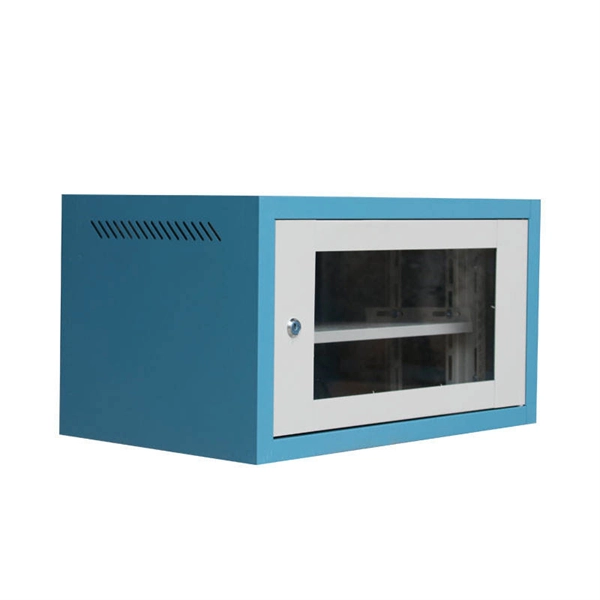
Does a DC power supply fall under relay protection
Equipment illustration / verify against the selected product

Protective Relays: Types, Working Principle & Uses

A zone of protection is the part of the power system that a relay scheme is intended to protect. A zone may include a feeder, transformer, bus, generator, motor, line section, or other

Protective Relay: Working, Types, and Applications

Learn about protective relays, their working principle, types, and applications in power systems. Discover how relays protect transformers,

Power System Protective Relays: Principles & Practices

Protective relays and devices have been developed over 100 years ago to provide “last line” of defense for the electrical systems. They are intended to quickly identify a fault and isolate it so the balance of

Protective Relays | Electromechanical Relays | Electronics Textbook

DC power is used because it allows for a battery bank to supply close/trip power to the breaker control circuits in the event of a complete (AC) power failure.

SCHEMATIC REPRESENTATION OF POWER SYSTEM RELAYING

Prepared by Working Group I5 Working Group Assignment presentation of protection and control relaying. The report will identify methodology behind these practices, present issues

Protective relay

Self-powered relays operate on energy derived from the protected circuit, such as through the current transformers used to measure line current. Self-powered relays are advantageous in terms of cost

A Complete Guide to Protective Relays and Their Role in Power

Protective relays are essential in power systems to detect faults, isolate problem areas, and prevent widespread damage. Their use spans high-voltage transmission, industrial machinery,

Topics in Circuit Protection For Power Supplies

The switch mode power supply, such as the Allen-Bradley Bulletin 1606 line and some other power supplies, incorporate a self-protection feature to prevent overcurrents and subsequent over heating

Protection Basics

Ground fault protection for these systems is usually provided by residual protection, either calculated by relay or by external CT residual connection to IN input

DC Surge Protection Circuit: How to Protect DC Power Supply from

Learn how a DC Surge Protection Circuit protects DC power supplies from voltage spikes. Explore working principles, components, selection, installation, and IEC/EN compliance.

What Is OCP? Power Supply Overcurrent Protection

What is a power supply''s OCP? The meaning of a PSU''s overcurrent protection function and multi-rail vs. single-rail PSUs explained.

Power Supply Devices and Systems of Relay Protection

The next chapters of the book cover built-in digital protection relay power supplies, battery chargers, accumulator batteries, uninter-ruptible power supply, and characteristic features of auxiliary DC

Topics in Circuit Protection For Power Supplies

Why does the Bulletin 1692 provide better for protection of the Power Supply secondary than a miniature circuit breaker or fuse? Simply stated, a fuse or MCB is not designed for the specialty conditions

IEC protection classes for power supplies

Power supplies fall into one of three protection classes based on the need, or not, for a protective earth connection. The IEC''s class distinctions are there to help protect power supply users from hazards.

Basics of power-supply self-protection

A good power supply design takes more transform primary-side AC or DC into a regulated output; various forms of protection against supply failure modes is critical as well.

Definition of Relay Terminolo

Several different degrees of protection are provided for different relay types, for resistance to dust, flux, contaminating environments, automatic cleaning, etc.

Protection Relays | Medium & high voltage power system protection

Discover protection relays for generators, motors, transformers, feeders and busbars, designed for reliable and efficient power system protection.

Power Supply Protection What are the Rule

Branch Circuit: The NEC defines branch circuit as “The circuit conductors between the final overcurrent device protecting the circuit and the outlet(s)”. If we were to expand this term to UL 508, branch

Related Video Reference

This video was associated with the source search result. Verify technical details against current product documentation and project requirements.

Make the connection clear

Share the fiber interfaces, termination capacity, cable route and evidence required for handover.

Send a project brief