
Fiber connection and distribution references
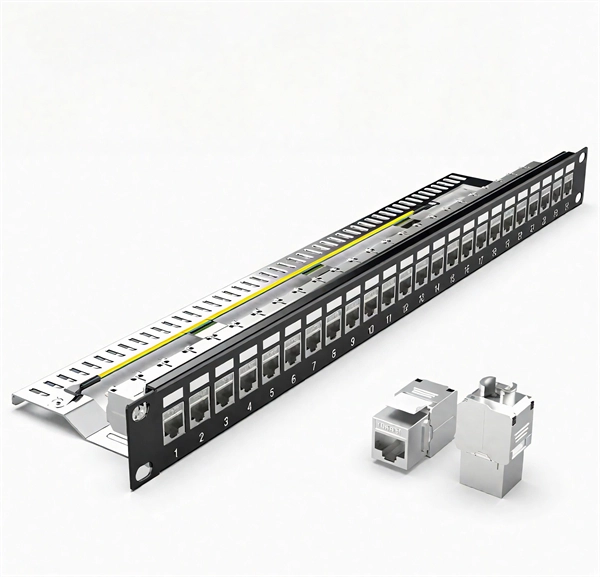
Patch Panels: Pros, Cons, and Best Practices for Efficient Cabling
Discover the pros and cons of patch panels, their applications in data centers and enterprises, and how to choose the right one for optimized network management.
What Is a Fiber Patch Panel & Why It''s Essential for Your Network
In structured cabling systems, this reliability translates into fewer service interruptions and faster recovery when maintenance is required. Proper fiber cable management through a patch panel
The Benefit and Challenge of Patch Panel
With several patch panels available for sale, network users usually feel puzzled to select a patch panel solution with the features and capacity to meet their current needs, as well as the
Fiber Patch Panel vs ODF (2026 Guide) – Differences & Best Practices
This 2026 expert guide explains the functions, placement, structure, and application scenarios of ODFs and fiber patch panels-and includes a deep engineering FAQ that resolves real-world deployment
Fiber Optic Patch Panel Guide
Cons: Drastically reduces finger access. Requires specialized extraction tools for LC connectors. Increased risk of accidental disconnects during maintenance. Pros: Excellent manual
Fiber Patch Panel vs ODF – Main Differences
Avoid the cost caused by the wear and tear of the input port of the network equipment, and it is easier to complete the maintenance task. After the optical patch cords enter the rack, the
Comprehensive Comparison: Fiber Patch Panel vs ODF
While both serve as termination, organization, and interconnection points for optical fibers, their scale, design philosophy, functionality, deployment
Fiber Optic Patch Panel
A fiber optic patch panel is a physical hardware device used in telecommunication networks and data centers to connect and manage fiber optic cables. It serves as a centralized point
ODF vs. Fiber Patch Panel: Key Differences Explained
In fiber optic networks, both ODF and fiber patch panels are used to manage and organize fiber connections. However, they differ significantly in terms of function, capacity, structure,
The Benefit and Challenge of Patch Panel – Fiber Optic Blog
With several patch panels available for sale, network users usually feel puzzled to select a patch panel solution with the features and capacity to meet their current needs, as well as the
Fiber Optic Patch Panel: A Comprehensive Overview
Fiber patch panels come in various types to meet specific network needs and are widely used in data centers to organize and manage fiber optic
How to pick and select a suitable fiber patch panel
The use of Fiber optic patch panels is widespread in today''s network closets and data centers. However, because of the many options, configurations
How to choose fiber optic patch panels?
Patch panels help making the connection of different devices easy and organized, such as computer stations, servers, switches, electric or electronic instruments.
Fibre Patch Panel Explained: Types, Benefits & Tips
A fibre patch panel is more than just a box that holds connectors — it''s the backbone of an organised, scalable, and serviceable fibre installation. In this
Fiber Optic Patch Panels : A Powerful Guide | Magnus
Fiber optic patch panels are the unsung heroes of the digital world. In the complex matrix of information technology (IT) infrastructure, they provide crucial connectivity and serve as the
What are High Density Fiber Optic Patch Panels?
Fiber optic patch panels, which are at the heart of network infrastructure, have become an indispensable component for streamlining cable management and optimizing network connections. High-density
Everything You Need to Know About Fibre Patch Panels
Embracing the benefits of fibre patch panels is a wise choice for anyone seeking to build and maintain a reliable and scalable fibre optic network. If you want to take a closer look at our range
What is Fiber Optic Patch Panel, How to Choose it?
And every fiber patch panel gets the same usage: house, organize, manage and protect fiber optic cable. Based on Different Installation Methods
Related Video Reference
This video was associated with the source search result. Verify technical details against current product documentation and project requirements.