KENHARDT OPTICALNetworks across Africa Talk through a project
Fiber systems / Technical reading Optical reference library

Detailed Introduction to Optical Modules

Inside this technical reference
Source context

AI source overview

Optical modules are compact devices that convert electrical signals into optical signals and vice versa, enabling high-speed data transmission over fiber optic networks.

Overview and Function

Optical modules, also known as optical transceivers, are essential components in fiber optic communication systems. Their primary function is to bridge electrical network devices and optical fibers, converting electrical signals from devices like switches, routers, and servers into light signals for transmission, and then converting received light signals back into electrical signals for processing. This enables high-speed, long-distance data communication with minimal loss and interference.

Core Components

Transmitter Optical Sub-

Assembly (TOSA): Converts electrical signals into optical signals using a light source such as a laser diode (LD) or LED. Laser diodes are preferred for high-speed and long-distance transmission due to higher output power and efficiency, while LEDs are suitable for low-rate, short-distance applications.

Receiver Optical Sub-

Assembly (ROSA): Converts incoming optical signals back into electrical signals using a photodiode. It often includes a preamplifier to strengthen weak signals. Supporting Electronics: Include driver chips, automatic power control (APC) circuits, and signal processing components to ensure stable and accurate signal conversion.

Optical Interfaces and Connectors: Facilitate coupling with fiber optic cables and ensure proper alignment for efficient light transmission.

Key Technical Parameters

Average Optical Power: The intensity of light emitted by the transmitter, measured in W, mW, or dBm. Extinction Ratio: Ratio of optical power when transmitting "1"s versus "0"s, indicating the laser's ability to distinguish signal levels. Receiver Sensitivity: Minimum optical power the receiver can detect under a specified bit error rate (BER), affecting signal reliability.

Overload Optical Power: Maximum optical power the receiver can handle without errors or damage. Interface Rate: Maximum electrical signal rate supported, e.g., 125Mbit/s, 1. 25Gbit/s, 10.

3125Gbit/s, or 41. 25Gbit/s. Transmission Distance: Limited by fiber loss and dispersion; longer distances require higher-quality modules and lasers.

Types and Form Factors

Optical modules come in various form factors and types to meet different network requirements: SFP (Small Form-factor Pluggable): Up to 4. 25 Gbps, widely used in enterprise networks. SFP+ (Enhanced SFP): Up to 10 Gbps, suitable for data centers.

QSF

P (Quad SFP): Supports 40 Gbps and beyond, used in high-performance computing.

CF

P (C Form-factor Pluggable): Designed for 100 Gbps and higher speeds. Pluggable vs Embedded Modules: Pluggable modules are hot-swappable, while embedded modules are permanently attached to devices.

Modulation Techniques

Optical modules use modulation techniques to encode data onto light waves: Amplitude Modulation (AM)Frequency Modulation (FM)Phase Modulation (PM) The choice of modulation affects transmission speed, distance, and signal integrity.

Summary

Optical modules are critical for modern high-speed networks, providing reliable electro-optical conversion, supporting various data rates, distances, and network architectures. Understanding their components, types, and technical parameters is essential for designing and maintaining efficient fiber optic communication systems.

Research context

Reference summary

The Most Comprehensive Guide Of Optical ModulesExplore the ultimate guide to optical modules. Learn types, functions, performance metrics & how to choose t.

From reference to enquiry

Questions for your project

Use these editorial prompts alongside the linked excerpts. They identify items to confirm for your project.

Detailed reading / connection to installation

Fiber connection and distribution references
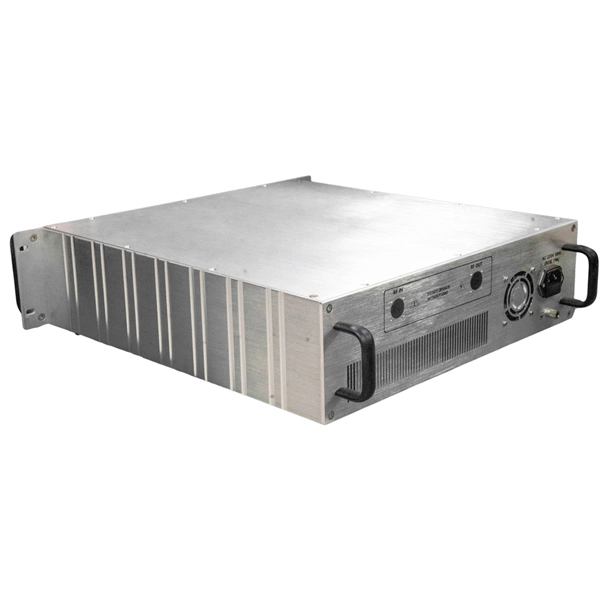
Detailed Introduction to Optical Modules
Equipment illustration / verify against the selected product

The Most Comprehensive Guide Of Optical Modules

Explore the ultimate guide to optical modules. Learn types, functions, performance metrics & how to choose the right module for your fiber network.

Understanding Optical Modules: Working Principles, Structures, and

Explore the working principles, structures, and performance metrics of optical modules, essential components of optical fiber communication systems. Learn about key indicators such as

Optical Module Guide: Demystifying Optical Modules

Optical modules are essential components in modern communication networks, enabling high-speed data transmission over fiber optic cables. As the

What is an Optical Module?

Explore the world of optical modules, essential components in optical fiber communication. Learn about the different types of optical modules, their functions, packaging, and key technical concepts like

Everything You Need to Know About Optical Modules

Optical modules are electronic devices that transmit data over long distances using light waves. They are used in networking technologies to

Optical module

Optical modules typically have an electrical interface on the side that connects to the inside of the system and an optical interface on the side that connects to the outside world through a fiber optic

Optical module – A comprehensive exploration

This article will explore optical modules comprehensively, including optical modules definition, packaging and optical modules PCB and how to choose optical modules?

The Ultimate Guide to Optical Modules

Optical modules are pivotal components in optical fiber communication systems, operating at the physical layer—the foundational level of the OSI model. Their primary role is to

KB: Creating protection for Hyper-V VMs on Windows Server 2012

First published on TECHNET on Oct 11, 2012 Here''s a new Knowledge Base article we published. This one talks about an issue where using DPM 2012 SP1 to create a protection group for

The Gear Page

Join a vibrant community of musicians and gear enthusiasts discussing instruments, effects, setups, and more on The Gear Page forum.

What Is an Optical Module and Its FAQs (V200)

What Is an Optical Module and Its FAQs (V200) Describes what an optical module is and FAQs, including the fundamentals, appearance and structure, key performance counters, common types,

Optical Transceivers-The Ultimate Guide for Beginners and Experts

In today''s world where the Internet and artificial intelligence are developing rapidly, optical modules, as a core network communication equipment, play an increasingly important role.

Understanding Optical Modules: Types and Troubleshooting Guide

Optical modules come in various types, and their external structures are not exactly the same. However, their basic compositional structure includes the following parts, as shown in Figure 1-2, which

The Key External Components of Optical Modules

An optical module serves as the backbone of modern fiber-optic communication. Its appearance often resembles a compact rectangular device, designed to fit seamlessly into

Optical Module: A Comprehensive Analysis from Source

Optical modules are key transmission components in communication networks, and their applications, technologies, types, and terminology are

Optical module – A comprehensive exploration

The optical module is one of the core devices of the optical communication system, and its development has a vital impact on its related industrial chain. So, what is an optical module? How

TI DLP® System Design: Optical Module Specifications

1 Introduction to Optical Modules An optical module (see Figure 1-1 and Figure 1-2) is the core sub-system of a DLP Display display system. A projection optical module consists of five main hardware

Optical module

An optical module is a typically hot-pluggable optical transceiver used in high-bandwidth data communications applications. Optical modules typically have an electrical interface on the side that

Related Video Reference

This video was associated with the source search result. Verify technical details against current product documentation and project requirements.

Make the connection clear

Share the fiber interfaces, termination capacity, cable route and evidence required for handover.

Send a project brief