
Fiber connection and distribution references
How Cable TV Works: How the Signal Reaches Your House
Cable signals travel a long way before reaching your TV. Learn the infrastructure path from network origination through the headend, fiber distribution, neighborhood node, and into your
Cable TV Networks
Modulation and demodulation of the signal are done through the distribution hubs after these signals are sent to the fiber nodes through fiber-optic cables. The fiber node split the analog
The FOA Reference For Fiber Optics
New network architectures have been developed to reduce the cost of installing high bandwidth services to the home, often lumped into the acronym FTTx for "fiber to
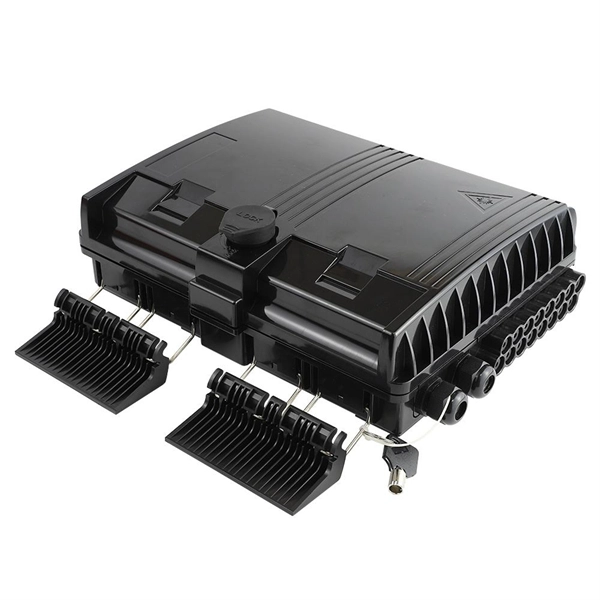
Fiber Distribution Box Basics
It allows for the termination and connection of fiber optic cables, enabling efficient signal transmission within a fiber optic network. The box
Cable Network Architecture and Optimization: A Technical Overview
This whitepaper provides a comprehensive overview of modern cable network architecture, focusing on the access network, signal transmission technologies, and optimization
Cable TV System Basics
This page provides a tutorial covering the basics of a Cable TV system. It explains the different modules within the system, including the cable station, multiplexer,
Cable television
Cable television is a system of delivering television programming to consumers via radio frequency (RF) signals transmitted through coaxial cables, or in more
Ultimate Guide to Fiber Optic Distribution Box: Types
Fiber optic distribution boxes offer efficient cable management, easy maintenance and troubleshooting, scalability and flexibility, and improved signal
Fiber Distribution | Fiber Distribution Architecture | Corning
Connect with the solution that best fits your communications network by leveraging Corning''s full portfolio of fiber optic hardware solutions. You''ll find an option for
Products
Products Extron product solutions connect, convert, and distribute audiovisual signals, as well as provide complete control for audiovisual systems.
Online Bulk Cable Company | CableWholesale
Copper/Fiber Network, USB, Mobile/Apple, HDMI & Home Theater Cables As a leading bulk cable company, CableWholesale is committed to developing, producing, and marketing computer cable
ITPro Today, Network Computing, IoT World Today combine
ITPro Today, Network Computing and IoT World Today have combined with TechTarget . The page you are looking for may no longer exist.
Fiber-optic cable
A fiber-optic cable, also known as an optical-fiber cable, is an assembly similar to an electrical cable but containing one or more optical fibers that are used to carry light.
LATEST COMMUNICATION SERVICES STOCK ANALYSIS
Seeking Alpha''s latest contributor opinion and analysis of the communication service sector. Click to discover stock ideas, strategies, and analysis.
Cable TV System Basics
A cable TV company gathers various TV signals and combines them through a process called multiplexing. This multiplexed signal is then distributed to
How Cable Modems Work
In some systems, coaxial cable is the only medium used for distributing signals. In other systems, fiber-optic cable goes from the cable company to different neighborhoods or areas. Then the fiber is
Cable, Satellite, IPTV & OTT Streaming: What''s the
Unlike cable TV, where the signal originates wirelessly before being distributed by a wired network, satellite TV is wireless for the entire journey.
Hathway: Best Service Provider for Fiber WiFi,
Hathway, One of India''s best Cable TV & Fiber internet providers. Discover best-in-class broadband solutions. Enjoy unmatched entertainment and seamless