KENHARDT OPTICALNetworks across Africa Talk through a project
Fiber systems / Technical reading Optical reference library

Application of Optical Cables in Ducts

Inside this technical reference
Source context

AI source overview

Optical cables in ducts provide protected, high-performance pathways for fiber optic transmission, enabling long-distance, high-speed, and reliable communication while facilitating maintenance and upgrades.

Purpose of Optical Cables in Ducts

Duct fiber optic cables, often called "duct fiber," are specifically designed to be installed within pre-existing ducts rather than being directly buried or aerially suspended. The ducts act as a protective conduit, shielding the optical fibers from environmental hazards such as moisture, soil movement, rodents, and mechanical damage, while also allowing easier access for maintenance, repair, or network upgrades. This setup is particularly important in urban areas, industrial zones, and long-distance networks where reliability and high bandwidth are critical.

Duct Materials and Their Impact

The choice of duct material significantly affects cable performance and durability: Plastic Ducts (PVC/HDPE): Common in urban areas; PVC is cost-effective and corrosion-resistant, while HDPE adds flexibility and impact resistance. Steel Ducts: Provide high physical protection, suitable for industrial or high-security areas.

Concrete/

Asbestos Cement Ducts: Durable but heavy and rigid, often found in legacy networks.

Fiberglass-

Reinforced Plastic (FRP): Lightweight, non-conductive, and resistant to chemicals, ideal for coastal or high-lightning-risk areas.

Cable Construction

Duct optical cables are engineered to balance protection and flexibility for navigating duct bends: Optical Fibers: Single-mode or multimode fibers depending on bandwidth and distance requirements. Buffer Tubes: Gel-filled or dry tubes that protect fibers from moisture and microbends. Strength Members: Materials like aramid yarn (Kevlar), steel wires, or fiberglass rods resist tension during installation and prevent fiber stretching.

Installation Methods

Two primary methods are used to install optical cables in ducts: Pulling: The cable is manually or mechanically pulled through the duct, often using pre-installed ropes. Suitable for shorter distances. Blowing (Air-Assisted Installation): High-speed airflow pushes the cable through the duct, reducing friction and mechanical stress.

This method is effective for longer distances and microcables, minimizing fiber strain and installation tension. During installation, cables experience mechanical stress, and proper design ensures that the maximum fiber strain remains below critical limits, typically less than 0. 5%.

Microcables and microducts have further reduced diameter and weight, allowing easier installation with minimal stress.

Standards and Performance

Standards such as ITU-T L. 100 define the characteristics, construction, and performance criteria for optical cables in ducts, including mechanical and optical reliability, test methods, and environmental considerations. Compliance ensures interoperability, durability, and suitability for duct and tunnel applications.

Summary

Optical cables in ducts play a crucial role in modern telecommunications by providing protected, high-speed, and maintainable pathways for fiber optic networks. Their design, duct selection, and installation methods are carefully engineered to ensure mechanical and optical reliability, enabling long-term performance in diverse environments.

Research context

Reference summary

Duct Fiber Optic Cables: What They Are, Applications, Learn about duct fiber optic cables—their design, key applications (FTTx, urban networks, DCI), insta.

From reference to enquiry

Questions for your project

Use these editorial prompts alongside the linked excerpts. They identify items to confirm for your project.

Detailed reading / connection to installation

Fiber connection and distribution references
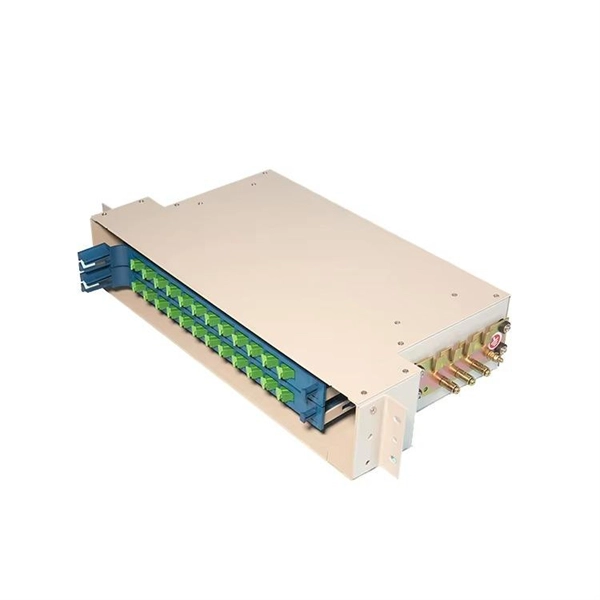
Application of Optical Cables in Ducts
Equipment illustration / verify against the selected product

Duct Fiber Optic Cables: What They Are, Applications,

Learn about duct fiber optic cables—their design, key applications (FTTx, urban networks, DCI), installation methods (pulling vs. air blowing), and

What is Duct Fiber Optic Cables, Application and Installation

This post provides a detailed introduction to duct fiber optic cables, their features, application scenarios, installation methods, and several popular Gcabling duct optical cables.

Pulling and blowing a cable in a duct

Readers of this document are encouraged to seek information on specific matters regarding Optical cables and components from the manufacturer or provider and to consider the Technical Standards

Recommendation ITU-T L.100 (01/2024)

Recommended technical requirements are detailed by reference to IEC 60794-3-11 on outdoor optical fibre cables for duct, directly buried, and lashed aerial applications. Changes and additions to these

Duct Cables | Air Blown Fiber Optic Cable Ducts | Corning

Ducts (or conduits) offer a highly protective environment for fiber-optic cables. They are typically buried, and then the cables are air-blown, jetted, pulled or pushed

OFC Application Note

ABSTRACT This application note discusses fiber optic cable installation by blowing technique, the factors effecting blowing performance and best practices.

Recommendation ITU-T L.100 (01/2024)

This document provides comprehensive guidelines for single-mode optical fiber cables installed via the pulling method in ducts and tunnels, primarily for telecommunication networks.

Air-Assisted Installation Considerations

Placing optical fiber cables in duct systems using air-assisted installation techniques presents different installation requirements than traditional pulling. In return, these techniques enable installation of

DuctoFib Duct Fibre Optic Cables for OSP and Blown

Available in both Mono-Tube and Multi-Tube designs. These cables are suitable for various environmental conditions, whether dry or wet. Supporting all fibre types

Understanding Fiber Optic Ducts: A Comprehensive Guide

These ducts protect cables from environmental dangers and allow network upgrades by adding more cables. This piece examines fiber optic ducts, their varieties, installation methods, and

RocketRibbon® Cables | Ribbon Cable | Corning

Corning RocketRibbon cabling solutions meet today''s demand for reliable high-speed data transmission in duct, buried, or aerial applications. The cables are

Indoor Fiber Optic Cable Types: Top 12 List

Indoor cables connect devices within homes, office buildings, data centers, and other interior spaces. Selecting the right indoor optical fiber cable depends on factors like transmission distance, space

Air Blown Micro Fiber Optical Cable 24~144 Cores

What Is Air Blown Micro Fiber Optical Cable? Air Blown Micro Fiber Optical Cable Blown Optical Fiber technology provides flexibility in network design, while

Fiber Optic Cable Types: Single-Mode, Multimode, and Beyond – A

Selecting a fiber optic cable requires balancing application needs (distance, speed, environment) with cost. For short-reach, high-density environments (like data centers), multimode

Fiber optic network installation in the ground

Learn how fiber optic networks are installed in the ground. This article explains common underground installation methods and key decision factors.

Fiber Optic Cables | Corning

Fiber Optic Cables by Environment Fiber Optic Cables by Environment The first consideration in choosing a fiber optic cable is the environment that you will be using it in. Corning has fiber optic

10 Types of Fiber Optic Cable Explained: Selection

Explore the top 10 fiber optic cable types for 400G/800G networks. From ADSS to MPO, learn technical specs, applications, and how to choose the right fiber for

G.657.A2 optical fiber – wholesale supplies for telecommunications

G.657.A2 is also used in blown cables, small fiber optic cables, and solutions designed for dense access networks. Manufacturers'' technical documentation indicates, among other things.

Related Video Reference

This video was associated with the source search result. Verify technical details against current product documentation and project requirements.

Make the connection clear

Share the fiber interfaces, termination capacity, cable route and evidence required for handover.

Send a project brief